
Guanajuato Structures MXN 4 Billion in Financing for Public Investment
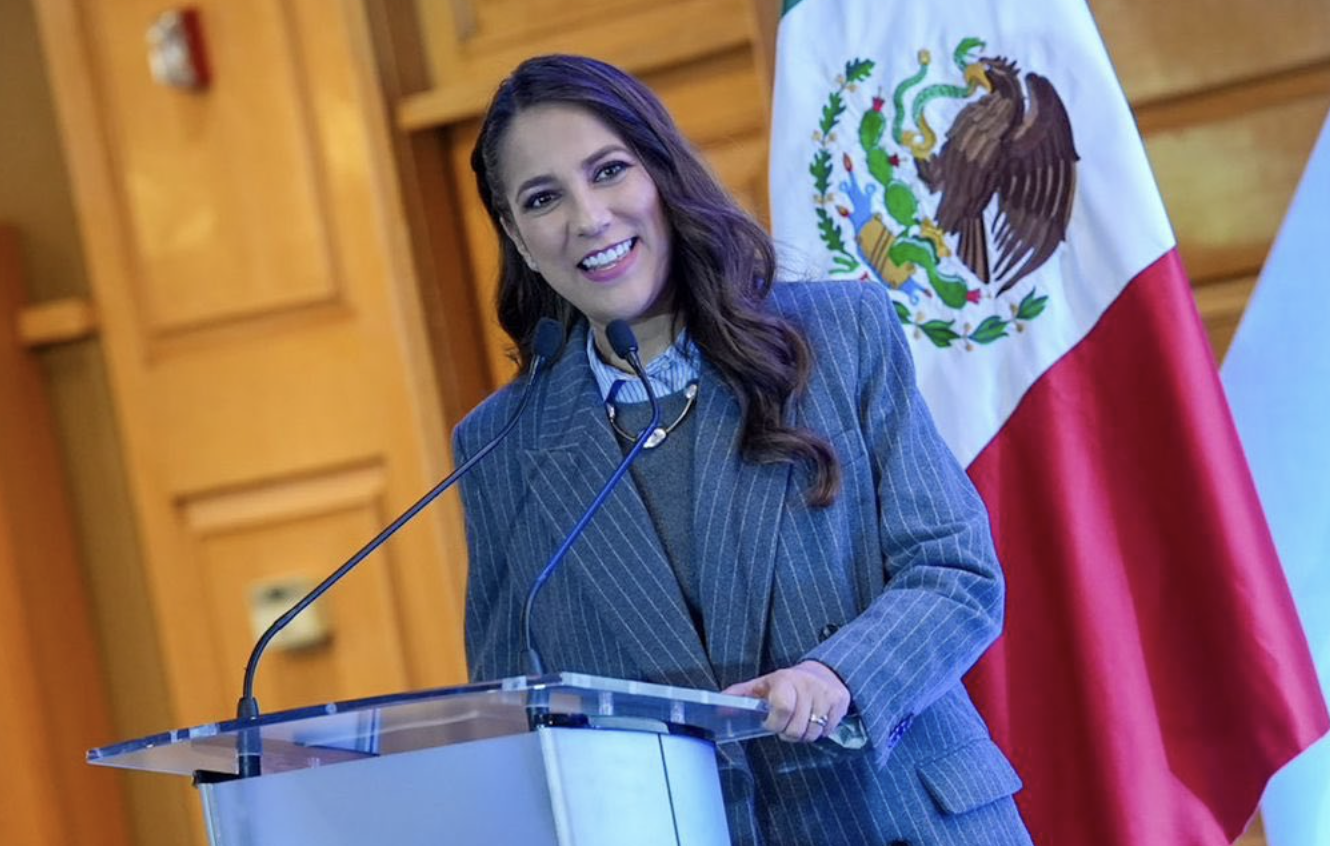
Guanajuato secures MXN 4 billion in public debt from BBVA and Banamex for strategic and social infrastructure, distributed proportionally based on population and vulnerability.
The distribution scheme for the
in Guanajuato will begin to be defined in the coming weeks, once the final portfolio of public investment projects is integrated. Governor Libia Dennise García Muñoz Ledo announced that this financing will be exclusively allocated to productive works that impact regional development and the population’s quality of life. The State Government contracted three loans through a reverse electronic auction organized by the state’s Ministry of Finance, in which private banking institutions participated. As a result of the process, BBVA and Banamex emerged as winners with competitive terms and no additional fees. The State Congress had previously authorized up to MXN 8 billion in financing; however, in this first stage, it was decided to contract only MXN 4 billion, representing 50 percent of the approved amount.
Two Funding Pools for Strategic and Social Works in Guanajuato
During a meeting with the media, García Muñoz Ledo reported that the financing was structured into two investment pools of MXN 2 billion each. The first pool will be allocated to large-scale infrastructure projects, primarily strategic works proposed by municipalities or the state government itself. This category includes road interventions, urban infrastructure, and regional projects with economic impact. The second pool will focus on municipal social works, such as street paving, drainage construction, rehabilitation of sports facilities, and improvement of community infrastructure. The Governor explained that this scheme seeks to balance investments between far-reaching strategic projects and works with direct impact on communities.
Proportional Distribution Based on Population and Vulnerability
For the MXN 2 billion allocated to social works, the distribution among municipalities will be carried out using a proportional model. Governor Libia Dennise García Muñoz Ledo detailed that the calculation is based on two main variables: the population size of each municipality and the number of inhabitants in vulnerable situations, according to data from the National Institute of Statistics and Geography. This formula aims to direct greater resources towards municipalities with higher social needs, particularly those with higher levels of marginalization. Furthermore, the state leader explained that each municipality will have a maximum allocated amount, and the municipal governments themselves will define the priority works they wish to execute within that budgetary limit.
Federal Validation for Guanajuato’s Project Portfolio
Another fundamental element of the process is the technical review conducted by the Ministry of Finance and Public Credit, the body responsible for validating projects financed with public debt. In this regard, García Muñoz Ledo indicated that the state government has a deadline of the last day of March to present the complete project portfolio to the federal authority. The Governor explained that this process requires a meticulous review, as if even a single project presents technical or administrative inconsistencies, the federal authority can return the entire project portfolio, causing delays in the execution of the works.
Municipalities Expedite Project Integration
Currently, several municipalities already have fully integrated projects, while others are still in the process of completing administrative procedures. The Governor reported that some projects are in intermediate stages due to pending items such as environmental permits, compensation payments, or right-of-way clearance, which are indispensable requirements for their approval. Among the examples mentioned is a road intervention on Boulevard Aeropuerto in León, where a minor land acquisition process still needs to be completed. García Muñoz Ledo indicated that the state government holds permanent meetings with mayors and technical teams to expedite the integration of files and ensure that the largest possible number of projects can be included in the final portfolio.
Educational and Health Infrastructure as an Investment Alternative
Finally, García Muñoz Ledo explained that, should some municipalities fail to complete large-scale projects within the established timeframe, the State will be able to incorporate its own already-validated projects. These include the rehabilitation of health centers and educational infrastructure, which would ensure that the financing resources are utilized in viable projects with social impact.
The post
first appeared on Líder Empresarial.
More Articles
What is the Economic Cost of Road Blockades in Mexico?
Feb 23, 2026

Guadalajara's 2026 Diving World Cup Canceled: Economic Impact Explained
Feb 26, 2026

Biometric CURP 2026: The Latest You Need to Know
Feb 14, 2026

Bus Services Suspended in Mexico Following Highway Insecurity Incidents
Feb 22, 2026

How Does the Closure of the Strait of Hormuz Impact the Global Economy?
Mar 3, 2026

How Jalisco Will Boost Its Economy with Over 4 Billion Pesos
Mar 3, 2026