
How Much Water Will Mexico Send to the United States in 2026? The New Agreement
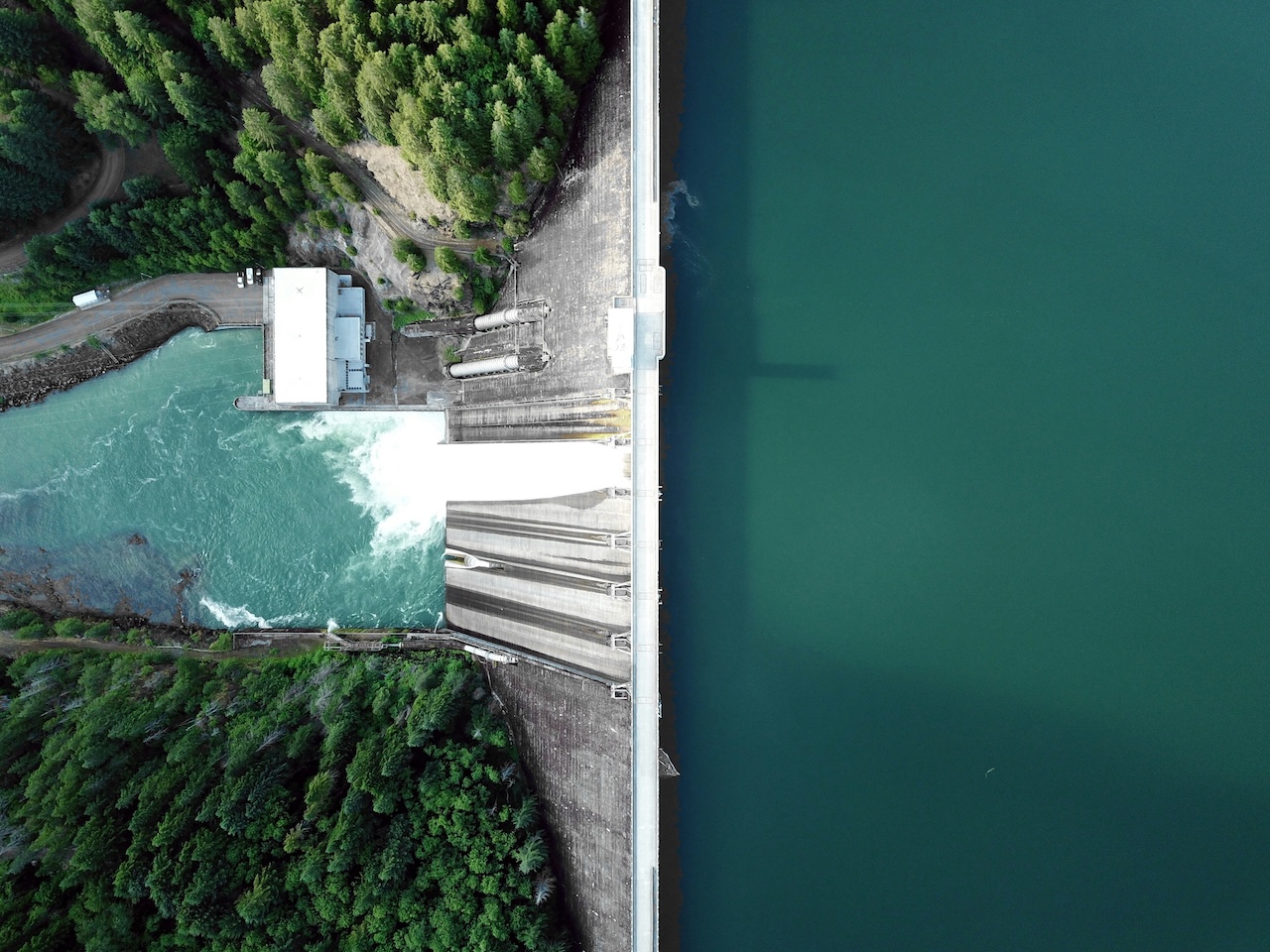
Mexico and the US reach a new technical water agreement for the Rio Grande basin, committing to annual deliveries and addressing past deficits.
Amidst one of the most severe droughts in recent decades and within a bilateral relationship marked by commercial and political tensions, Mexico and the United States have reached a new technical agreement for water management in the Rio Grande basin. The agreement does not modify the existing treaty but outlines an operational roadmap to address Mexico’s accumulated deficits from previous cycles, primarily stemming from the extreme drought that affected the country between 2022 and 2024.
The announcement was made via a joint statement from the secretariats of Foreign Affairs (SRE), Agriculture, Environment, as well as the National Water Commission (Conagua). In the document, authorities emphasized that the plan is the result of sustained technical and political collaboration between both nations.
It is worth noting that the border region between Mexico and the United States faces increasing pressure on its water resources, driven by climate change, aquifer overexploitation, and an undiminished agricultural demand. In this regard, the agreement seeks to balance the fulfillment of international commitments with the protection of the human right to water within Mexican territory.
Óscar Ocampo, Director of Economic Development at the Mexican Institute for Competitiveness (IMCO), explained that the
pledged does not represent an increase compared to what has been historically agreed upon, but rather a reaffirmation of a minimum annual obligation.
“Mexico will continue to send the nearly 432 million cubic meters annually to the United States. What is not entirely clear is how the delivery plan will be structured to cover the accumulated debt, which is just under one billion cubic meters, precisely due to the droughts,” he noted.
The agreement was publicly celebrated by U.S. Secretary of State Marco Rubio, who highlighted the positive impact of the understanding for U.S. interests. Through a message posted on the social media platform X, Rubio acknowledged the commitment of the Government of Mexico and linked the outcome to the White House agenda.
“The agreement between the United States and Mexico to address water delivery defaults is a victory for U.S. farmers and ranchers. We appreciate President Claudia Sheinbaum’s continuous efforts to uphold Mexico’s responsibilities under the 1944 Water Treaty,” he stated.
How Much Water Will Mexico Send to the United States and How Will It Be Measured?
According to official information, the commitment for 2026 establishes a minimum annual delivery of 431.7 million cubic meters, a figure that corresponds to 350,000 acre-feet, the unit of measurement used by the United States. This volume is part of the quinquennial commitments of the 1944 Water Treaty, which regulates the distribution of the Rio Grande and Colorado rivers between both countries.
Key figures of the new agreement: -Annual volume committed: -431.7 million cubic meters -431,700 million liters -350,000 acre-feet -Agreement horizon: -Next five years of the 1944 Treaty cycle -Impacted region: -Rio Grande Basin -Main objective: -Eliminate past deficits and prevent future defaults
The plan stipulates that deliveries will adjust to the hydrological conditions of the basin, without compromising the supply for human consumption and productive activities in Mexico, particularly in the northern states of the country.
Plan in Accordance with the 1944 Water Treaty
One of the central points of the agreement is that it does not entail modifications to the 1944 Water Treaty, an instrument considered strategic for the bilateral relationship. As Óscar Ocampo explained, the treaty itself provides for compensation mechanisms when one of the parties cannot fulfill its obligations in a timely manner due to extraordinary causes, such as drought.
“There is no talk of any modification to the treaty’s discipline. Rather, in line with its provisions, if a party defaults, a plan must be developed to compensate for the payments,” he clarified.
Mexican authorities emphasized that the agreement respects the sovereignty of both countries and guarantees water and food rights, especially for agricultural communities that depend on the resource in Mexico.
Furthermore, the plan incorporates infrastructure actions and long-term adaptation strategies, with the objective of structurally addressing the effects of climate change in the Rio Grande basin.
Certainty for the Agricultural and Livestock Sectors
From the U.S. perspective, the agreement represents a significant step forward in providing certainty to farmers and ranchers in South Texas, who depend on Rio Grande water for their productive activities. The U.S. Department of Agriculture (USDA) and the Department of State reported that the understanding will stabilize water supply and reduce the uncertainty that has characterized recent cycles.
Among the elements highlighted by U.S. authorities are: -A plan to settle the deficit from the previous cycle. -Monthly follow-up meetings between both countries. -Mechanisms to ensure timely deliveries. -Commitments to prevent future deficits.
This continuous monitoring scheme aims to prevent water issues from becoming a recurrent source of tension, particularly in a sensitive political context for both nations.
You can also read:
The post
More Articles

State Financial Institution Drives Taxi Renewal in Guanajuato with Loans Up to 500,000 Pesos
Mar 20, 2026
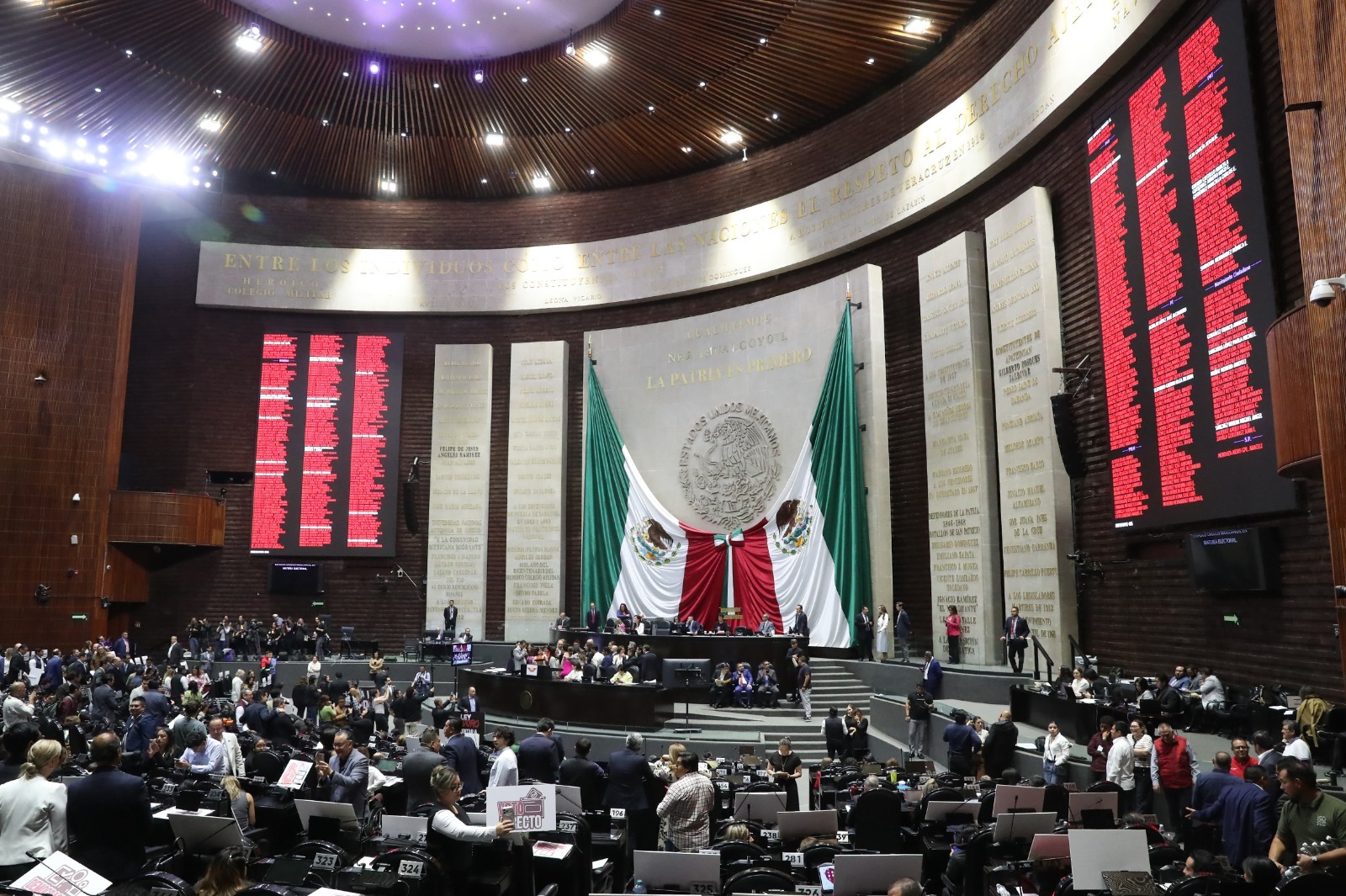
President Claudia Sheinbaum Faces First Rejection: Deputies Vote Down Electoral Reform; Morena Announces 'Plan B'
Mar 11, 2026
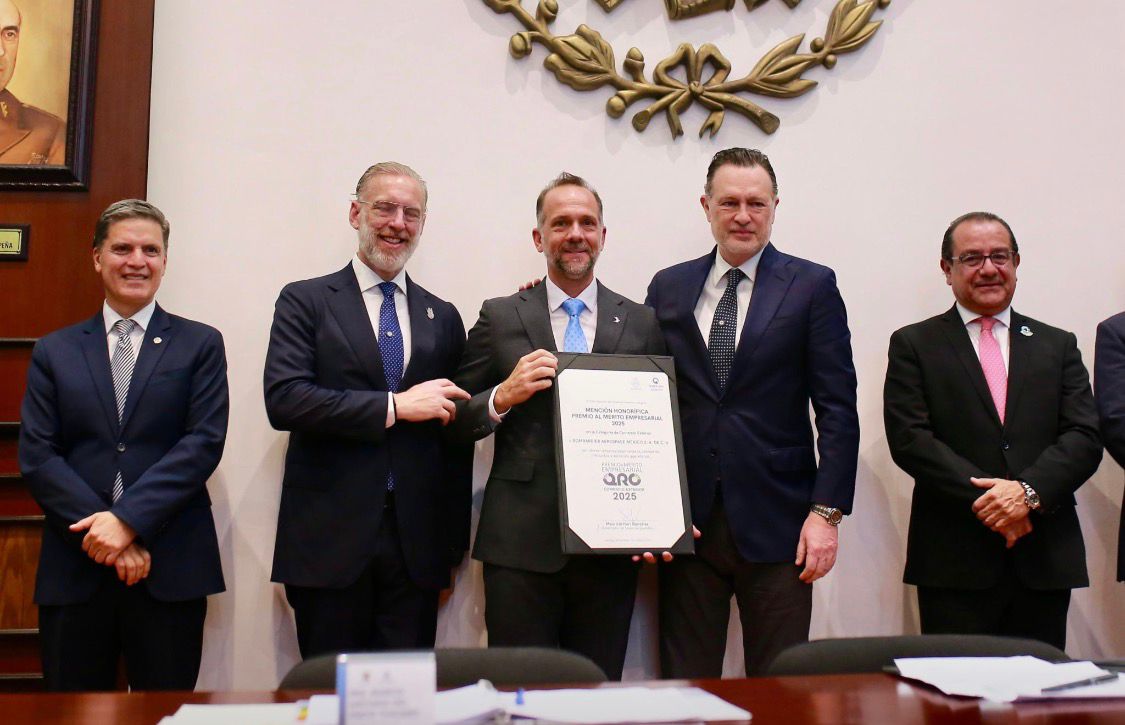
Bombardier Mexico Receives Business Merit Award in Querétaro
Feb 27, 2026

Viva Aerobus Announces New International Flights from Mexico
Mar 2, 2026

Mazda Guanajuato Plant to Strengthen KOKORO Social Strategy; Allocated 41.8 Million Pesos to Children in 2025
Mar 2, 2026

What Challenges Does Jalisco's Economy Face in 2026?
Mar 20, 2026