
Inflation Hits Mexican Households' Finances: Which Products Saw Price Hikes in February 2026?
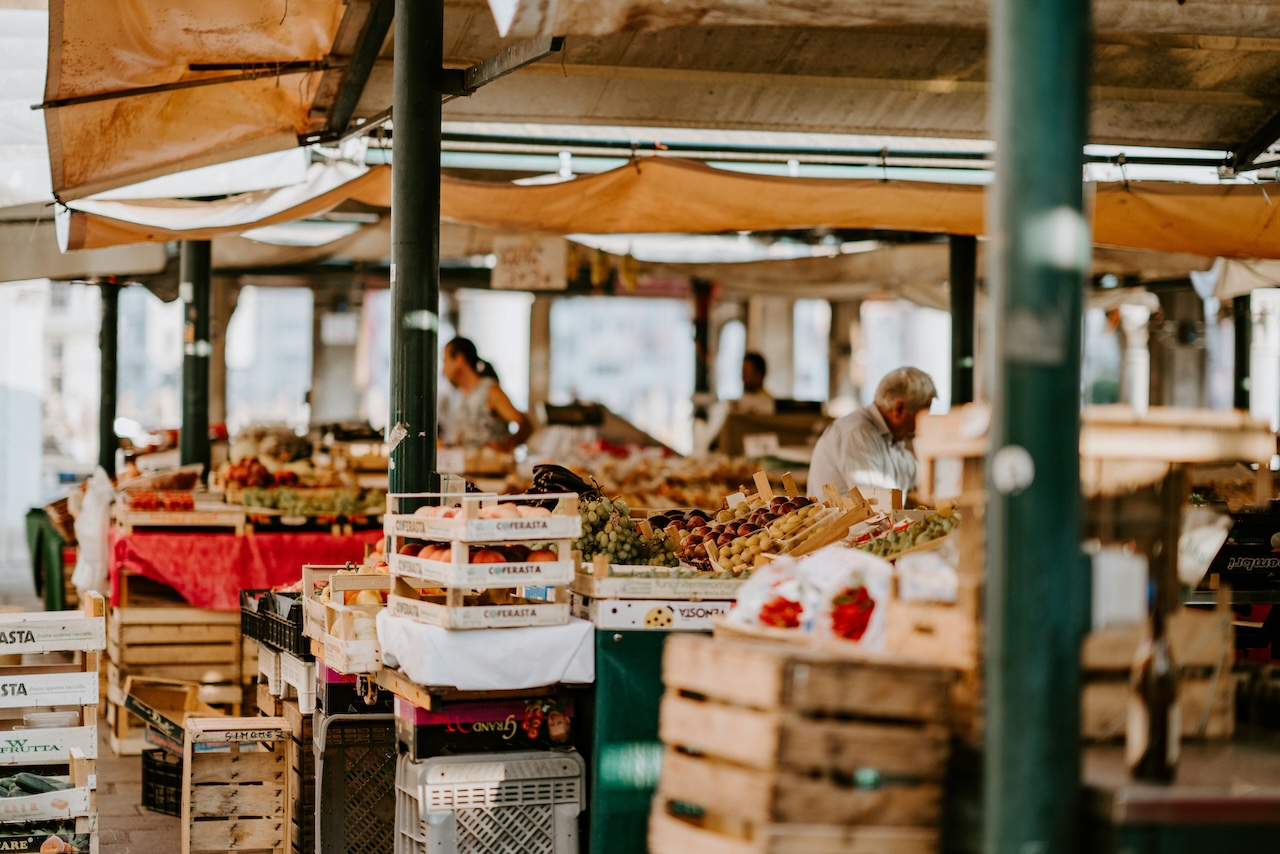
Mexican inflation in February 2026 showed pressure, especially in fresh food and essential services, impacting household purchasing power and consumer stability.
The financial strain didn’t end in January. Inflation in February once again exhibited signs of pressure, particularly in fresh food items and certain essential services, raising concerns about families’ purchasing power and the stability of domestic consumption. According to the latest report from the
, the National Consumer Price Index (INPC) recorded a level of 144.064 points during the first half of February 2026, representing a 0.25% increase compared to the previous fortnight. Consequently, annual general inflation reached 3.92%, a figure higher than that observed in the same period of 2025, when annual inflation was reported at 3.74%. Although this data remains within the target range of the Bank of Mexico, the issue isn’t the average, but rather where and how inflation is being felt.
Core and Non-Core Inflation: Pressures Behind the Average
The report reveals that core inflation, which excludes products with more volatile prices, increased by 0.22% on a bi-weekly basis. Within this index: -Goods prices rose by 0.20% -Services advanced by 0.24% Meanwhile, the non-core index, more susceptible to external and seasonal shocks, showed a larger increase of 0.32% bi-weekly. Here, the primary driver was agricultural food products, particularly fruits and vegetables, whose prices surged by 2.10% in just two weeks. In contrast, prices for energy and government-authorized tariffs registered a slight decrease of 0.01%, which helped to contain a larger escalation of the overall index.
Products with the Highest Price Increases in February 2026
The most immediate impact of inflation was reflected in the basic food basket and daily consumption products. During the first 15 days of February, several food items registered double-digit increases compared to the previous fortnight, directly impacting family expenditure: -Tomatoes: +7.90% -Potatoes and other tubers: +13.16% -Tomatillos: +17.84% -Limes: +17.03% -Owner-occupied housing: +0.13% -Other cooked foods: +0.65% -Deli, traditional eateries, sandwich and taco stands: +0.27% -University education: +0.72% -Detergents: +0.81% -Surgical operations: +1.59% These products had a significant impact on general inflation, meaning they contributed substantially to the final INPC result.
Partial Relief: Products with Decreased Prices
Conversely, some goods and services showed downward adjustments, which helped to moderate general inflation, albeit to a limited extent: -Personal deodorants: -2.46% -Zucchini: -8.93% -Chicken: -0.55% -Onions: -4.59% -Lotions and perfumes: -1.97% -LP domestic gas: -0.54% -Pork meat: -0.57% -Chayote: -7.49% -Taxi services: -0.44% -Other fresh chilies: -3.96% However, these reductions did not offset the sharp increases in essential products such as tomatoes, potatoes, and limes, which hold significant weight in the daily diet of Mexican households.
Inflation by States and Cities: Uneven Impact
Inflation was also not uniformly distributed across the country. Some states and cities recorded variations significantly above the national average, while others even reported slight declines.
States with Highest Bi-Weekly Inflation
-Veracruz: +0.49% -Nayarit: +0.42% -Puebla: +0.41% -Michoacán: +0.40% -Guanajuato: +0.39%
States with Lowest Inflation
-Oaxaca: -0.06% -Baja California Sur: -0.02% -Baja California: +0.03% -Tamaulipas: +0.05% -Nuevo León: +0.07% At the city level, Veracruz, Ver. (0.73%), Chetumal (0.60%), and Huatabampo (0.57%) led the largest increases, while Oaxaca, Oax. (-0.12%) and Ciudad Jiménez, Chihuahua (-0.12%) showed the lowest figures.
Where Did Life Become More Expensive? Inflation by Consumption Category
Analyzing inflation by consumption purpose reveals clear pressures in strategic sectors: -Healthcare: +0.68% bi-weekly, 5.19% annually. -Educational services: +0.44% bi-weekly, 6.03% annually. -Restaurants and accommodation services: +0.35% bi-weekly, 7.22% annually. -Insurance and financial services: +0.91% bi-weekly
You may also like to read:
The post
first appeared on Líder Empresarial.
More Articles

Reduced Working Hours in Mexico: Risks, Costs, and What Businesses Must Monitor
Mar 20, 2026

El talón de Aquiles del crecimiento industrial: la crisis energética en México
Apr 9, 2026

The Most Important Weekend News from Mexico and Around the World
Mar 17, 2026

Organized Crime: A Parallel Economy (Part II)
Mar 24, 2026

Black Monday for Stock Markets?: Oil Pressures Financial Markets
Mar 30, 2026

Penalties for Not Filing the 2026 Annual Tax Return with the SAT
Mar 28, 2026