
International Reactions Following Nicolás Maduro's Capture
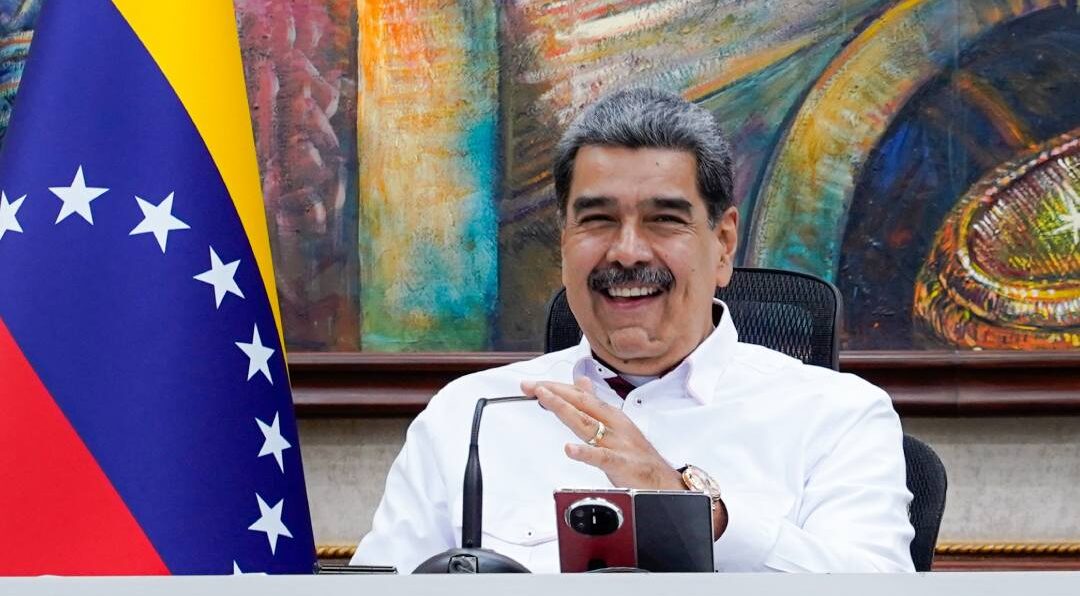
A global diplomatic crisis erupts after the US military operation in Venezuela, leading to polarized international responses from condemnation to celebration.
The “lightning” military operation executed by the United States on Venezuelan soil, culminating in the bombing of strategic facilities and the forced extraction of
, has triggered a global diplomatic crisis. As Donald Trump holds a press conference at Mar-a-Lago, the international community has fractured into two irreconcilable blocs: those denouncing a flagrant violation of international law and those celebrating the end of Chavismo.
Mexico Leads Regional Condemnation
The Government of Mexico, through President
, reacted immediately, “strongly” condemning the unilateral intervention. The Foreign Ministry labeled the attack a clear violation of Article 2 of the UN Charter. “Latin America and the Caribbean is a zone of peace… any military action gravely endangers regional stability,” stated the official communiqué, offering mediation but rejecting the use of force. This stance was seconded by Brazil. President Lula da Silva warned that Washington had crossed an “unacceptable line”, describing the event as an “extremely dangerous precedent” that threatens to impose the law of the strong over multilateralism.
China and Russia Back Venezuela; Argentina and the Opposition Call This Event “The Hour of Freedom”
From the other side of the world, Donald Trump’s rival powers rallied behind Venezuelan sovereignty. China’s government declared itself “deeply shocked” by what it called “hegemonic acts” that violate Latin American security. For its part, the Kremlin demanded immediate clarification, branding the extraction of a head of state as an “unacceptable violation” of an independent country’s sovereignty. At the opposite extreme, Javier Milei’s government in Argentina openly celebrated the capture of the “dictator”, calling Maduro’s regime the “greatest enemy of freedom on the continent”. The Casa Rosada expressed its immediate support for Edmundo González Urrutia to assume the presidency, aligning with the stance of opposition leader María Corina Machado, who declared the start of the “Democratic Transition” and called on citizens to “take power” to reestablish constitutional order.
Colombia Under Direct Threat
The most critical situation is unfolding on the Colombian-Venezuelan border. President Gustavo Petro’s preventive reaction transformed into an urgent defensive mobilization following Donald Trump’s press conference this morning. From Florida, the U.S. President not only confirmed the capture of the Chavista leader but also, in a statement that triggered Colombian national security alarms, declared: “Maduro has fallen; Gustavo Petro is next.” Faced with the explicit threat, Petro rejected the unilateral military action and ordered the reinforcement of borders, warning that Colombia would defend its sovereignty against any destabilization attempt, while coordinating humanitarian measures for a potential mass exodus from Venezuela.
The UN and Europe: Concern Over the Precedent
From New York, the UN Secretary-General expressed “deep alarm,” emphasizing that, regardless of Venezuela’s internal situation, military intervention sets a dangerous precedent for international law. Meanwhile, Spain, without recognizing Maduro’s 2024 election results, called for de-escalation and offered its good offices for a negotiated solution, prioritizing the safety of the Spanish community in the Caribbean nation.
You can also read
The post
first appeared in Líder Empresarial.
More Articles

What Challenges Does Jalisco's Economy Face in 2026?
Mar 20, 2026
How Nuevo León Strengthens Its Security Strategy in 2026
Mar 19, 2026

Beyond Pretense: Women in Industry (Part II)
Mar 18, 2026
What's Happening with IMMEX Employment in Jalisco?
Mar 23, 2026
incMTY 2026: Nuevo León Aims to Drive Further Startup Investment to Bolster its Economy
Mar 18, 2026
Electronics and Petroleum Drive Mexican Manufacturing
Mar 18, 2026