
Mexico-Canada Economic Plan Announced: What Does It Entail?
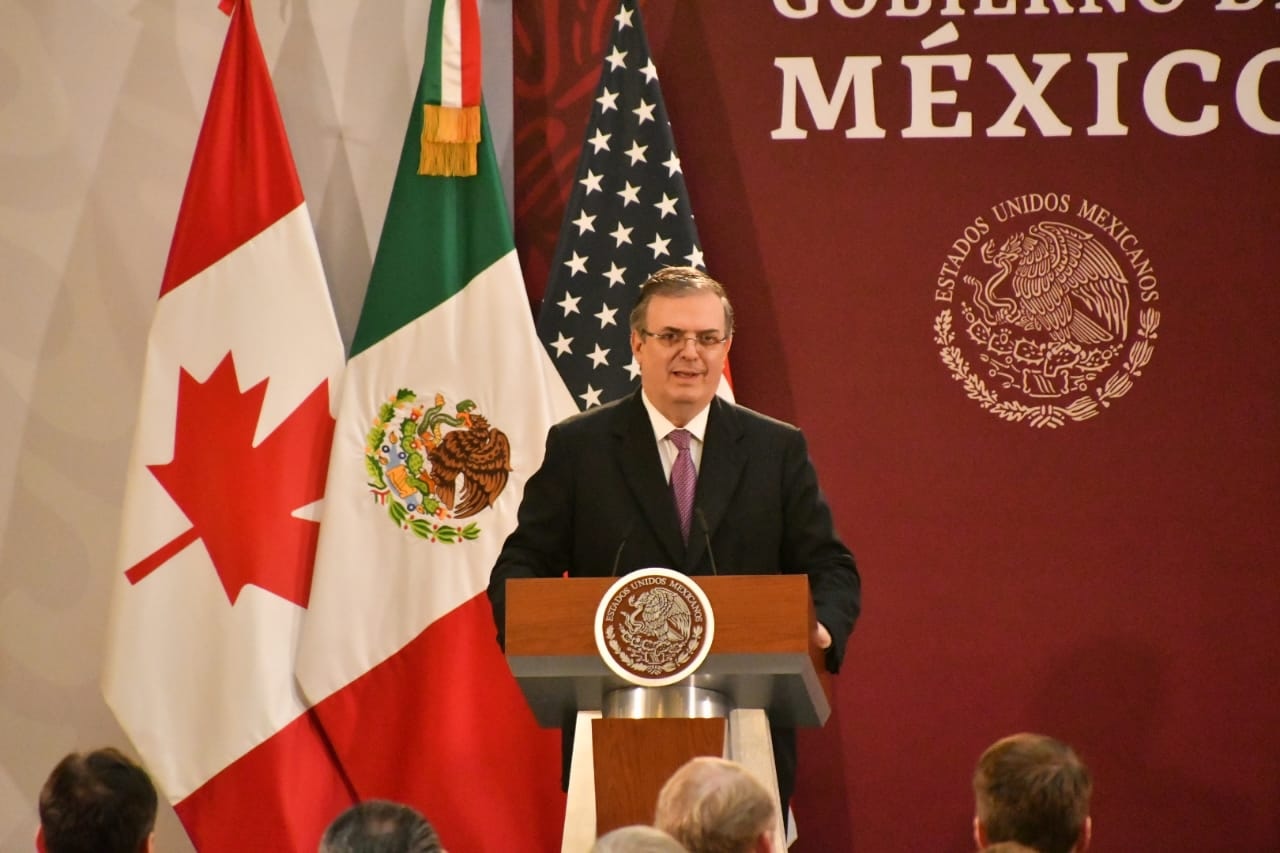
Mexico and Canada unveil a new bilateral economic action plan to deepen integration, attract strategic investments, and streamline regulations, complementing the USMCA.
Mexico and Canada announced the creation of a bilateral Economic Action Plan aimed at deepening their economic integration, attracting strategic investments, and reducing regulatory barriers, all in parallel with the United States-Mexico-Canada Agreement (USMCA). The announcement was made by Marcelo Ebrard, Secretary of Economy, after meeting in Mexico City with Dominique LeBlanc, the Canadian Minister responsible for trade with North America. Furthermore, the bilateral relationship needs to accelerate given an environment that no longer offers automatic certainties. “We are not in a comfort zone as in the past,” Ebrard warned, alluding to the new global economic order and trade policies that could redefine the rules of the game in the coming years.
A Plan Parallel to USMCA, Yet with Its Own Agenda
The Mexico-Canada Economic Action Plan neither replaces nor competes with the United States-Mexico-Canada Agreement; rather, it complements it. While the
establishes the general framework for regional integration with the United States, this new bilateral scheme aims to expedite specific agendas between Mexico and Canada, offering greater flexibility and speed. According to the Ministry of Economy, the strategy could be finalized in the second half of the year, once the conclusions from the dialogue between governments and the private sector are incorporated. Ebrard explained that the commercial relationship between both countries has multiplied 12-fold over the past three decades, which raises a strategic question: why not further accelerate this integration, irrespective of the formal review timelines of the USMCA?
What Does the Mexico-Canada Economic Action Plan Include?
Although the final document is still under development, authorities outlined the key pillars that will form the bilateral roadmap for the coming years. Among the main topics highlighted are: -Strategic minerals and their processing -Investments in ports and infrastructure -Supply chain security -Business cooperation and reduction of regulatory hurdles -Programs to expand opportunities for youth -Trade and investment in high value-added sectors The intention is to transition from a traditional commercial relationship to a deeper and more sophisticated economic alliance, aligned with the new industrial and technological priorities of both countries.
Critical Minerals: From Extraction to Value-Added
One of the plan’s pillars will be the mining sector, particularly concerning strategic minerals. Canada boasts extensive technological expertise and advanced refining capabilities, while Mexico aims to make a qualitative leap by moving beyond merely supplying raw materials and progressing towards processing. In this regard, Ebrard revealed that a significant investment by a Mexican company in Quebec is about to materialize, marking a turning point in the bilateral relationship. “It’s no longer just Canadian investment in Mexico; for the first time, it’s starting to be Mexican investment in Canada,” emphasized the Secretary of Economy, highlighting the potential for a more balanced and bidirectional relationship.
Infrastructure, Ports, and Secure Supply Chains
Another central component of the plan is investment in strategic infrastructure, particularly in ports and logistics. In a world where supply chain resilience has become a geopolitical asset, Mexico and Canada seek to safeguard their trade flows against external disruptions. This focus gains particular relevance in sectors such as advanced manufacturing, the automotive industry, and energy transition, where both countries can complement each other in capabilities, talent, and investment.
The Private Sector, a Key Component of the New Agreement
The announcement of the Action Plan took place within the framework of an unprecedented Canadian trade mission to Mexico, comprising 240 organizations and 370 business leaders. The meeting brought together nearly 900 Mexican and Canadian companies, making it one of the largest business dialogues in recent years. From this exchange, two fundamental lines of work emerged: -Direct dialogue between companies from both countries to identify concrete business opportunities. -The development of a governmental Action Plan, informed by the priorities of the private sector. As part of this effort, a memorandum of understanding was formalized between the Business Council of Canada and the Consejo Coordinador Empresarial (Mexican Business Coordinating Council), with the objective of articulating business cooperation and monitoring the agreements reached.
Strategic Sectors in Focus
From a Canadian perspective, the interest in deepening the relationship with Mexico is concentrated in high-potential sectors, including: -Agriculture and agricultural technology -Advanced manufacturing and automotive -Clean technologies and energy -Creative and cultural industries -Information and communication technologies Dominique LeBlanc highlighted that Canada seeks to identify opportunities for its companies to expand their presence in Mexico, always in coordination with local partners, which reinforces the focus on collaboration and co-investment.
Youth, Talent, and Mobility: A Long-Term Commitment
In addition to investment and trade, the Action Plan also incorporates a social and talent development component. According to Ebrard, one of the objectives is to expand opportunities for youth in both countries, whether through exchanges, training, or job placement in strategic sectors. This vision recognizes that future competitiveness will depend not only on capital but also on human capital capable of sustaining more complex and technological industries. During his speech, Ebrard referenced the impact of trade policies promoted by Donald Trump, which have contributed to accelerating the reconfiguration of economic and commercial alliances. In this scenario, both Mexico and Canada agree on the need to diversify exports, reduce dependencies, and strengthen reliable alliances, without abandoning the USMCA framework, but without putting all their eggs in one basket.
Reciprocal Visits and Political Continuity
As part of the agreements, Mexican authorities confirmed that Mexico will organize a reciprocal visit of business leaders to Canada in the coming months, with the objective of ensuring continuity of commitments and transforming them into tangible projects. Ebrard thanked LeBlanc for the efforts to “organize, promote, and expand” the bilateral relationship, and emphasized that the challenge now is to translate political and business momentum into concrete results.
*You can also read:*The post
first appeared on Líder Empresarial.
More Articles

Tensions in Iran Could Pressure Mexico's Economy Due to Fuel and Logistics, Concanaco Warns
Mar 11, 2026
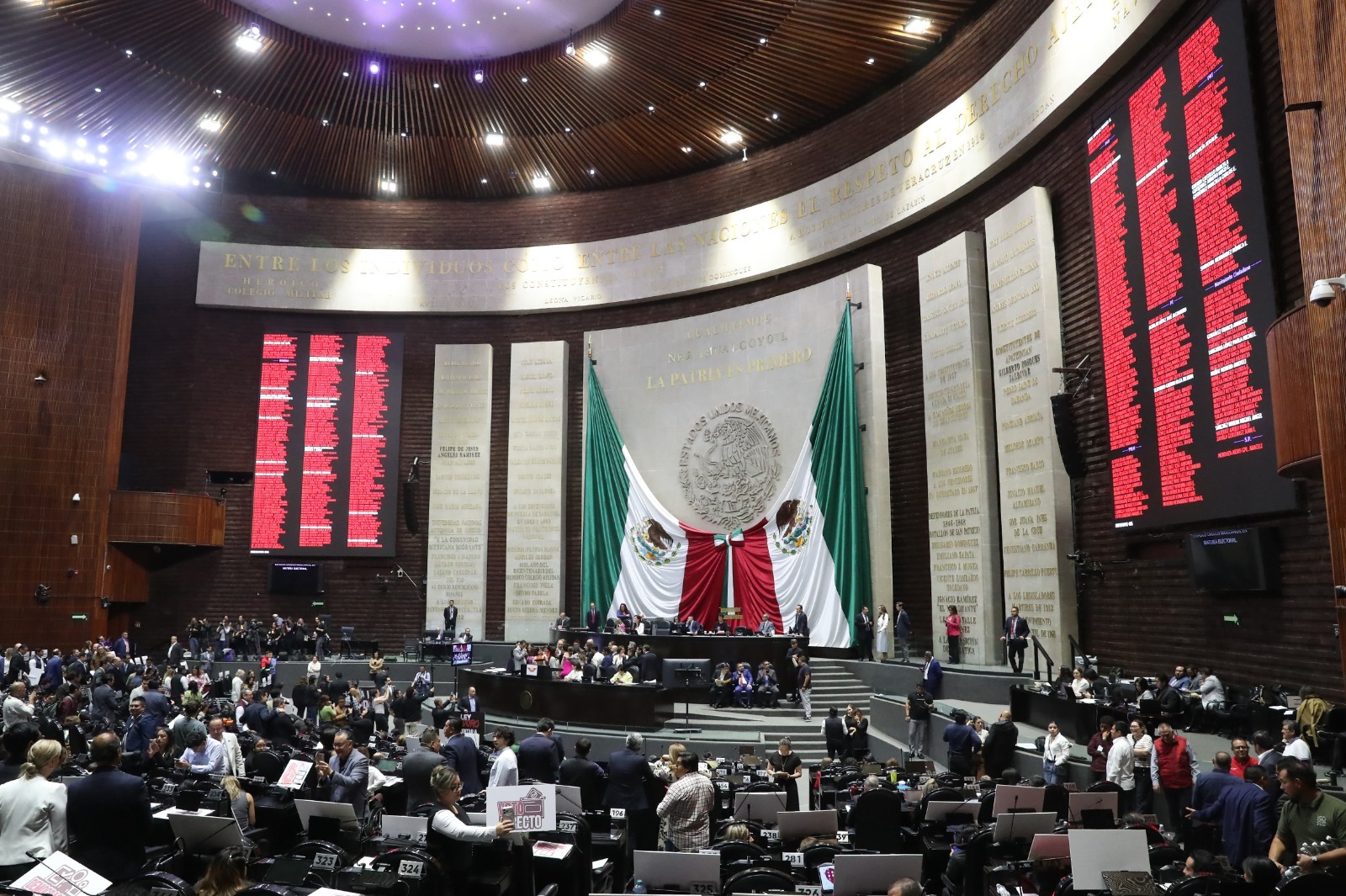
President Claudia Sheinbaum Faces First Rejection: Deputies Vote Down Electoral Reform; Morena Announces 'Plan B'
Mar 11, 2026

Emotiv Mobility to Open Manufacturing Plant in Monterrey
Mar 6, 2026

Querétaro Boosts its IMMEX Industry: Over 119,000 Jobs
Mar 24, 2026

Sheinbaum Meets with Nordic Business Leaders: Key Discussions
Mar 10, 2026
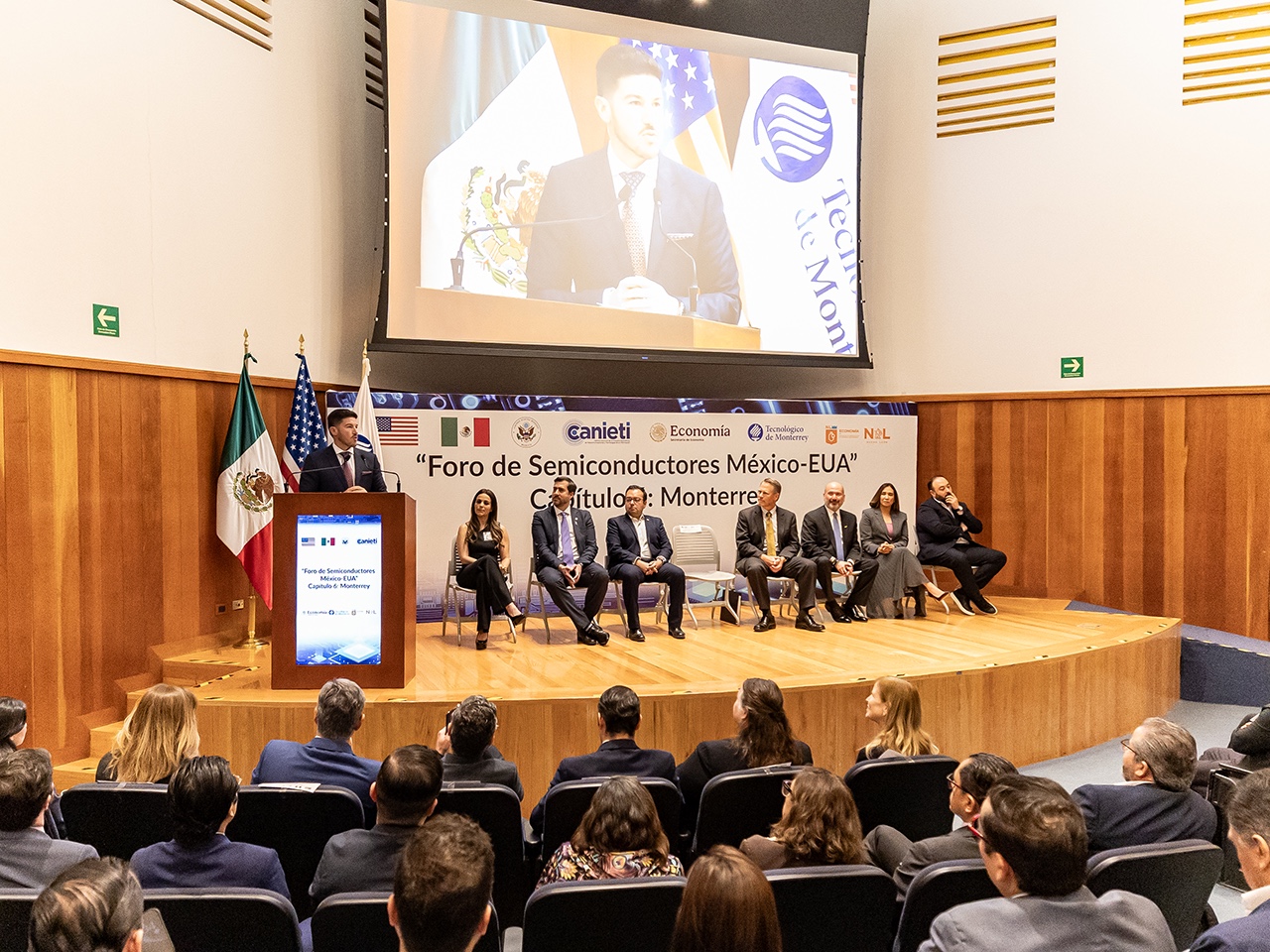
Can Nuevo León Become North America's New Semiconductor Hub?
Mar 12, 2026