
Mexico's Inflation Rises in January 2026: Which Products Saw Price Increases?
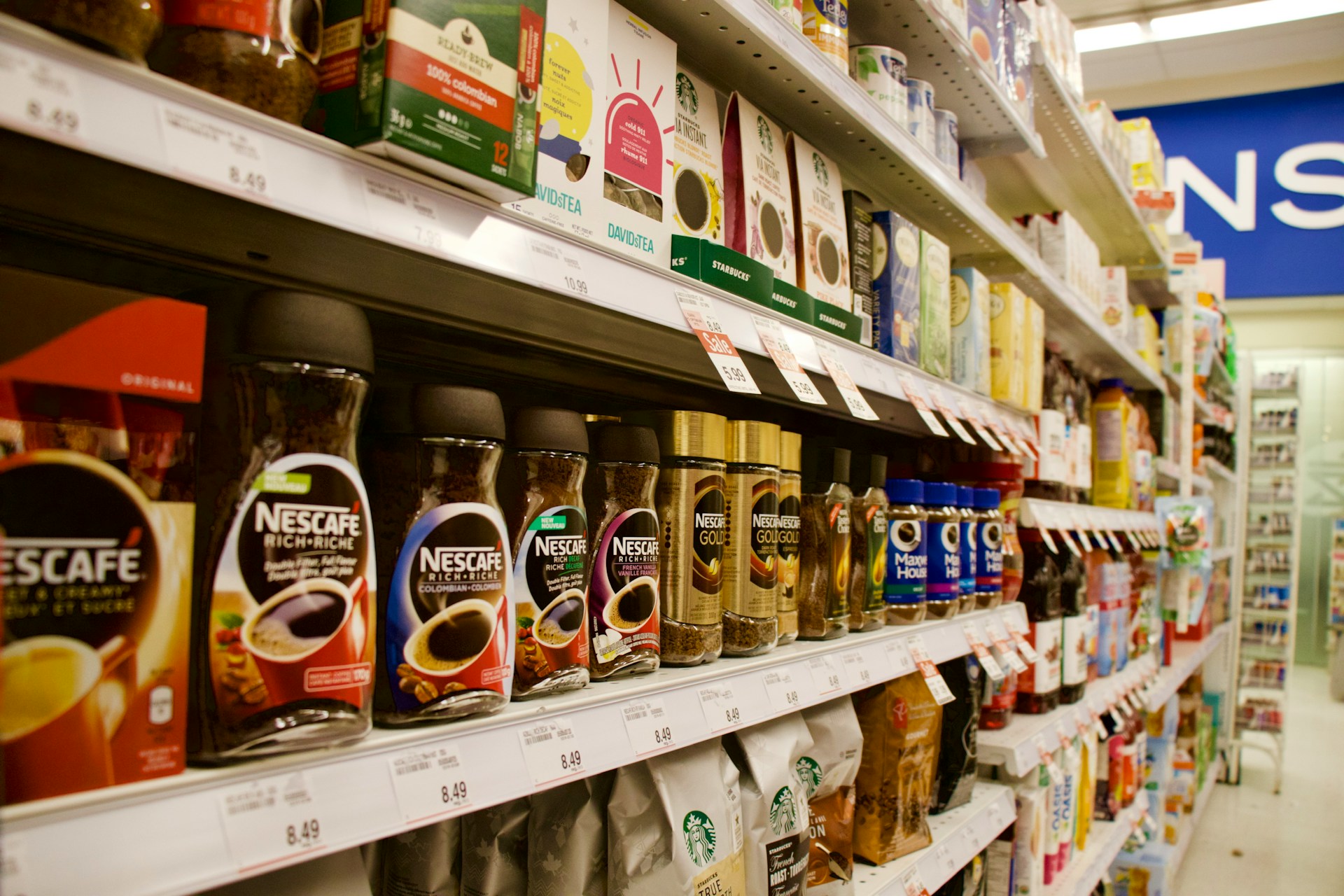
Mexico's inflation increased in January 2026, reaching an annual rate of 3.79%. This analysis details the products that contributed to the price hikes and declines across the country.
The beginning of 2026 has been marked by an upward movement in the cost of living, according to INEGI. As per the National Consumer Price Index (NCPI) report published on February 9th, general inflation in Mexico saw a monthly increase of 0.38%, positioning the annual rate at 3.79%. Compared to the same period in 2025, when annual inflation stood at 3.59%, the current data reveals a tightening in consumer price trajectory. For structural analysis, the key data point lies in the core price index, which excludes highly volatile goods and services to observe the market’s true trend. This indicator registered a monthly increase of 0.60%, reaching an annual variation of 4.52%. Within this core,
Winners and Losers in the Basic Basket
The statistics translate into heterogeneous variations at the consumer level. During January, certain products and services exerted significant pressure on the general index, while others offered seasonal relief:
Products with the highest increases:
- Lemon: 21.21%
- Cigarettes: 14.51%
- Bananas: 12.96%
- Soft drinks: 5.53%
Products with the largest decreases:
- Air transport: -36.64%
- Serrano chili: -25.51%
- Other chilies: -12.19%
- Lettuce and cabbage: -10.43%
The report also outlines an uneven map of price increases. The federal entities with the highest price variations during the first month of the year were Yucatán (1.17%), Quintana Roo (1.15%), and Campeche (0.98%). At the opposite end, the state of Baja California Sur registered a negative variation of 0.11%, positioning itself as the entity with the lowest inflationary pressure at the start of the year.
You can also read
The post
More Articles

Reduced Working Hours in Mexico: Risks, Costs, and What Businesses Must Monitor
Mar 20, 2026

Apple Unveils iPhone 17e: Features and Pricing in Mexico
Mar 2, 2026

Is There Equality in Mexico?
Mar 2, 2026

Global Stock Markets Open on March 17: Oil and Volatility Set the Pace
Mar 17, 2026

incMTY 2026: Nuevo León Aims to Drive Further Startup Investment to Bolster its Economy
Mar 18, 2026

Flex Announces Expansion in Aguascalientes: Bolstering its Robotics Hub Capacity
Mar 2, 2026