
Is There Equality in Mexico?
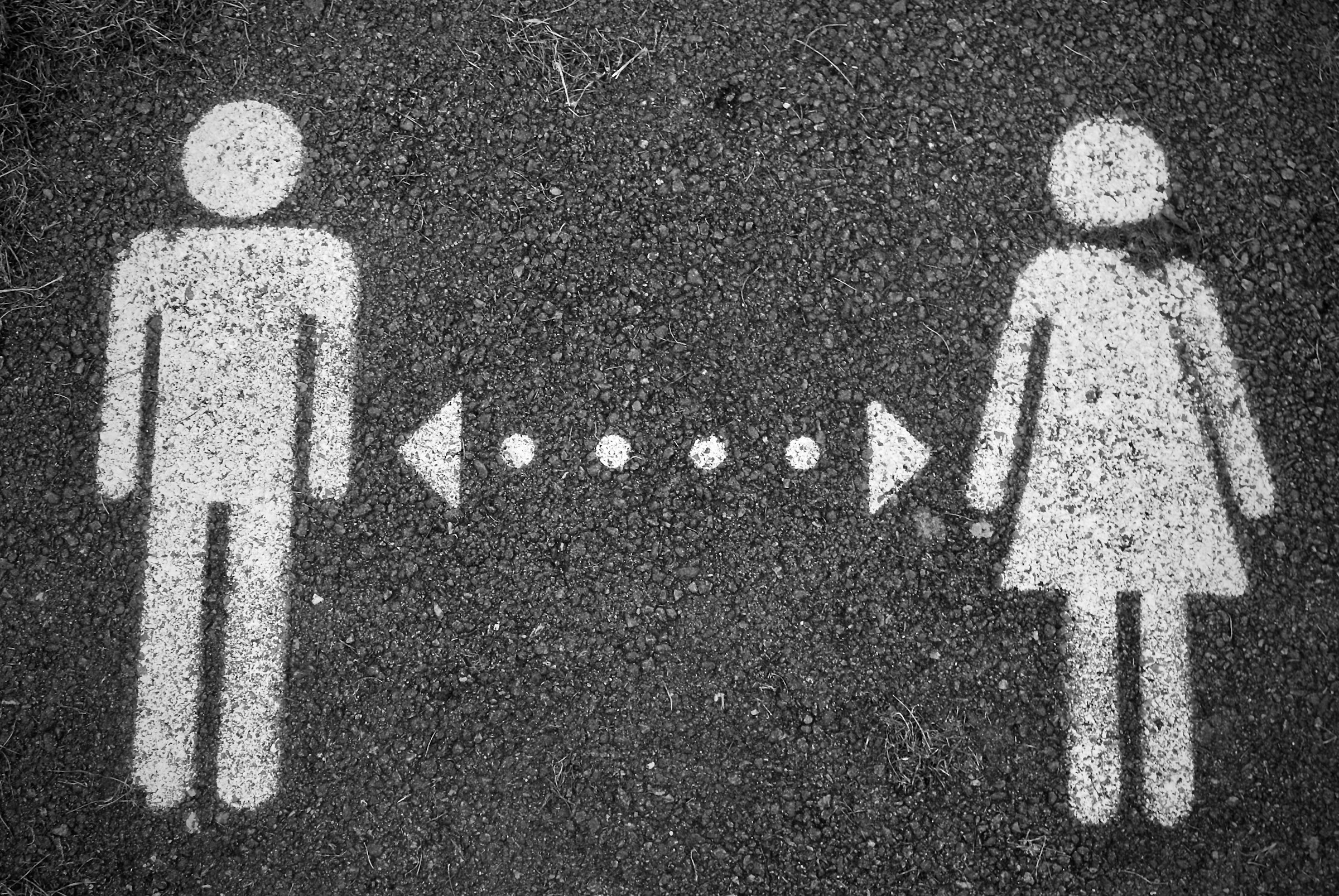
Exploring Mexico's evolving equality agenda, its comprehensive legal framework, and persistent challenges in achieving substantive gender equality across various sectors and regions.
Today, the equality agenda in Mexico continues to evolve as an institutional process that links the development of the legal framework with changes in representation and the presence of female leadership in public and productive life. In this regard, the evolution of constitutional norms, general laws, and public policies expands women’s access to rights, decision-making spaces, and employment opportunities, shaping an environment where equality is approached from a structural perspective. This process is based on the substantive equality approach, which seeks to guarantee real conditions of equity between women and men. Its foundation stems from the Political Constitution of the United Mexican States, especially Article 4, which establishes legal equality and the prohibition of discrimination, and defines the State’s obligation to promote conditions of equality in all spheres of public life.
The Rules of the Game: Laws Structuring Equality in Mexico
Among the fundamental norms, the General Law for Equality between Women and Men stands out, defining guidelines to guarantee equal treatment and opportunities in public and private spheres, as well as the Federal Law to Prevent and Eliminate Discrimination, which establishes mechanisms to prevent discriminatory practices and promote conditions of inclusion. In labor matters, the Federal Labor Law incorporates provisions on equality in employment and non-discriminatory working conditions, while Mexican Standard NMX-R-025-SCFI-2015 promotes the adoption of workplace equality policies, particularly concerning talent management and organizational culture. You might also be interested Furthermore, since 2024, the Constitutional Reform on Substantive Equality has reinforced the State’s obligation to reduce gender gaps and ensure equitable access to rights. Likewise, the creation of the Secretariat of Women seeks to strengthen the coordination of public policies and monitor strategies related to equality, inclusion, and participation. In public policy, notable actions include those aimed at strengthening labor equality and consolidating gender parity in Congress and local governments, resulting from reforms that promote balanced participation in public office and decision-making spaces.
The Legal Framework Reinforcing Equality in Mexico
As part of the regulatory system, there are provisions that complement equality policy and strengthen its implementation in different areas:
- General Law on Women’s Access to a Life Free of Violence
- General Law on the Rights of Girls, Boys, and Adolescents
- General Health Law, with an equality approach to access to services
- General Education Law, which incorporates a gender perspective
- Institutional protocols for preventing harassment and bullying
- Inter-American Convention on the Prevention, Punishment, and Eradication of Violence against Women (Belém do Pará)
- UN resolutions and agreements on gender equality
The Contrast: Legal Progress Versus Real Gaps
The implementation of equality policies in Mexico presents a complex landscape, characterized by advances in gender-balanced political participation and the existence of a broad regulatory framework, yet with persistent structural gaps between federal entities and between urban and rural areas. According to the Global Gender Gap Index 2025, Mexico ranks 123rd out of 146 countries, reflecting uneven progress. Policy adoption varies among states, creating differences in access to justice and protection mechanisms, which highlights fragmented implementation. The wage gap remains a challenge, as despite the constitutional recognition of equal pay, women earn on average around 75 pesos for every 100 received by men. Furthermore, although there is parity in Congress, female representation in executive and senior management positions in the private sector remains lower. Inequalities are also exacerbated territorially. In rural and indigenous areas, 45.8% of the population lives in poverty, facing greater barriers to health, education, financing, and technology, while the southern-southeast states concentrate the greatest social lags and fewer opportunities for equality.
Reshaping Female Representation
Consequently, the strengthening of the regulatory framework has expanded women’s presence in decision-making spaces and formal employment, contributing to greater visibility of female leadership in public and productive spheres. Nevertheless, progress depends on the effective implementation of policies and the reduction of territorial and economic gaps, factors that continue to dictate the pace of equality in the country.
You can also read
The post
first appeared on Líder Empresarial.
More Articles

Volaris Launches from San Luis Potosí: Destinations, Frequencies, and How to Purchase Tickets
Feb 18, 2026

Greater Access to Financing Defines the Financial Landscape, Despite Persistently High Rates
Feb 16, 2026

Bus Services Suspended in Mexico Following Highway Insecurity Incidents
Feb 22, 2026
Mexico-Canada Economic Plan Announced: What Does It Entail?
Feb 17, 2026
How Much Did Mexico's GDP Grow in 2025? Mexican Economy Exceeds Expectations
Feb 23, 2026
Aguascalientes Inaugurates New Nixtamalization Laboratory; Aims to Revolutionize the Corn Industry
Feb 20, 2026