
Mexico's Top Universities in 2026, According to QS World
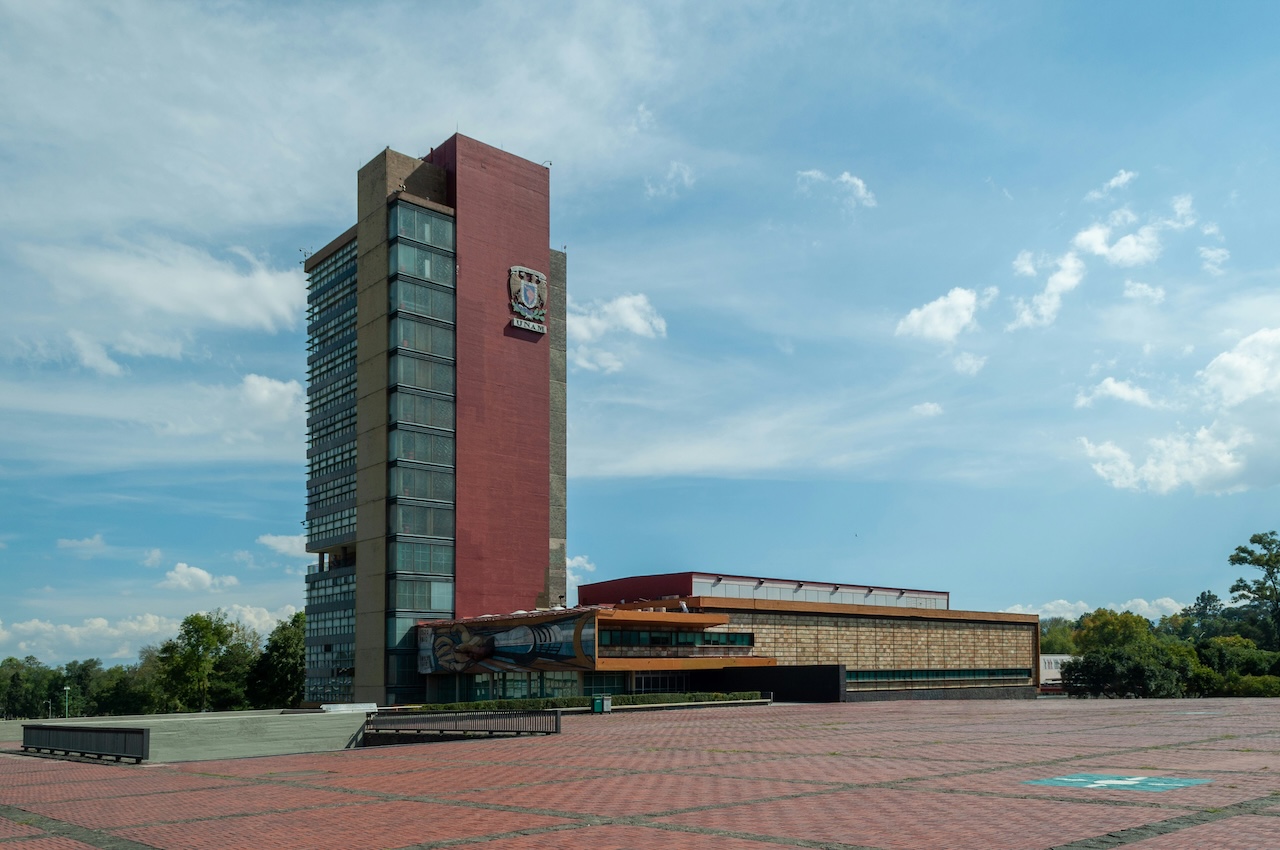
QS World University Rankings 2026 positions UNAM (136th) and Tec de Monterrey (187th) among world's best. Complete list of Mexico's top 10 universities with evaluation methodology and rankings.
Mexican academic excellence continues to stand out on the global map. According to the QS World University Rankings 2026, two institutions in the country remain among the world’s best: the National Autonomous University of Mexico (UNAM) and the Tecnológico de Monterrey (ITESM). Both consolidate their prestige, although they face new challenges in research, employability, and international projection.
The list, compiled by the British firm Quacquarelli Symonds (QS), evaluated over 1,500 universities from 105 countries, marking it as the most extensive ranking in history. The methodology included factors such as academic reputation, employability, research, sustainability, and global engagement, aiming to reflect institutions’ capacity to educate competitive professionals in a globalized environment.
The QS World University Rankings is one of the most influential indicators in global education. Annually, it assesses the quality of universities through criteria that combine academic reputation with quantitative performance metrics. In its 2026 edition, QS evaluated 1,501 universities across 105 higher education systems, employing a methodology that weighs both academic impact and international outlook.
Academic Reputation: measures the global perception of academics and researchers regarding the quality of teaching and research. Employer Reputation: reflects how highly graduates are valued by companies and organizations internationally. Faculty/Student Ratio: indicates personalized attention and teaching quality within classrooms. Citations per Faculty: evaluates the influence and scientific output of professors and researchers. International Student Ratio: measures student diversity and the degree of internationalization. International Faculty Ratio: indicates the capacity to attract global academic talent. Sustainability and Global Engagement: an increasingly relevant criterion, which analyzes the social and environmental impact of universities, as well as their contribution to the Sustainable Development Goals (SDGs).
The National Autonomous University of Mexico (UNAM), founded in 1551, remains Mexico’s top university and one of the most prestigious in Latin America. However, in the 2026 ranking, it dropped 42 positions, moving from 94th to 136th globally.
Despite this decline, UNAM continues to be an international benchmark in scientific research, humanistic education, and cultural production. Its community, comprising over 370,000 students and 42,000 academics, makes it one of the largest universities globally. QS highlighted UNAM’s strength in academic reputation and employability, in addition to its regional influence in fields such as social sciences, medicine, engineering, and the arts.
The university also achieved high scores in research impact and global engagement, thanks to its international collaboration programs and the consistent publication of works in indexed journals.
Nevertheless, the report indicates that the institution needs to strengthen its faculty/student ratio and improve its performance in internationalization indicators, two areas where other Latin American universities have made gains.
The Tecnológico de Monterrey (ITESM) was positioned as Mexico’s second-best university and 187th globally, dropping slightly from the 185th position achieved in 2025.
Even so, Tec maintains a solid international reputation due to its focus on innovation, technology, entrepreneurship, and business connections. QS awarded the institution maximum scores in the categories of internationalization, employability, facilities, and specialization criteria.
With campuses in over 20 cities nationwide and a community of more than 90,000 students, Tec continues to strengthen its educational model focused on experiential learning and the development of global leaders. Its strengths include dual degree programs, business incubators, and collaborations with top-tier universities such as MIT, Stanford, and Harvard.
The ranking emphasizes that Tec de Monterrey has become a Latin American benchmark in employability, as its graduates are highly sought after by international corporations and technology startups.
In addition to UNAM and Tec de Monterrey, other Mexican universities managed to stand out for their commitment to educational excellence and their growing international reputation.
According to the QS World University Rankings 2026, the top 10 universities in Mexico are:
- Universidad Nacional Autónoma de México (UNAM)
- Tecnológico de Monterrey (ITESM)
- Instituto Tecnológico Autónomo de México (ITAM)
- Universidad Anáhuac México
- Universidad Panamericana (UP)
- Instituto Politécnico Nacional (IPN)
- Universidad Iberoamericana (IBERO)
- El Colegio de México (COLMEX)
- Universidad Autónoma Metropolitana (UAM)
- Universidad de Guadalajara (UDG)
These institutions are distinguished by their academic quality, program diversity, social impact, and increasing participation in international research projects. In particular, the Universidad Panamericana (UP) and ITAM excel in economics, law, and business; while IPN and UAM stand out in science and engineering. For its part, COLMEX remains a benchmark in social sciences and humanities, and UDG solidifies its position as one of the most dynamic public universities in western Mexico.
More Articles

Trump Raises Tariffs on Canadian Autos and Steel: Implications for Mexico and USMCA
Aug 24, 2026

Nissan CEO Iván Espinosa Reportedly to Visit Aguascalientes Plants
Aug 20, 2026

Nuevo León Achieves 75% Reduction in Extreme Poverty: How Social Indicators Improved
Aug 26, 2026
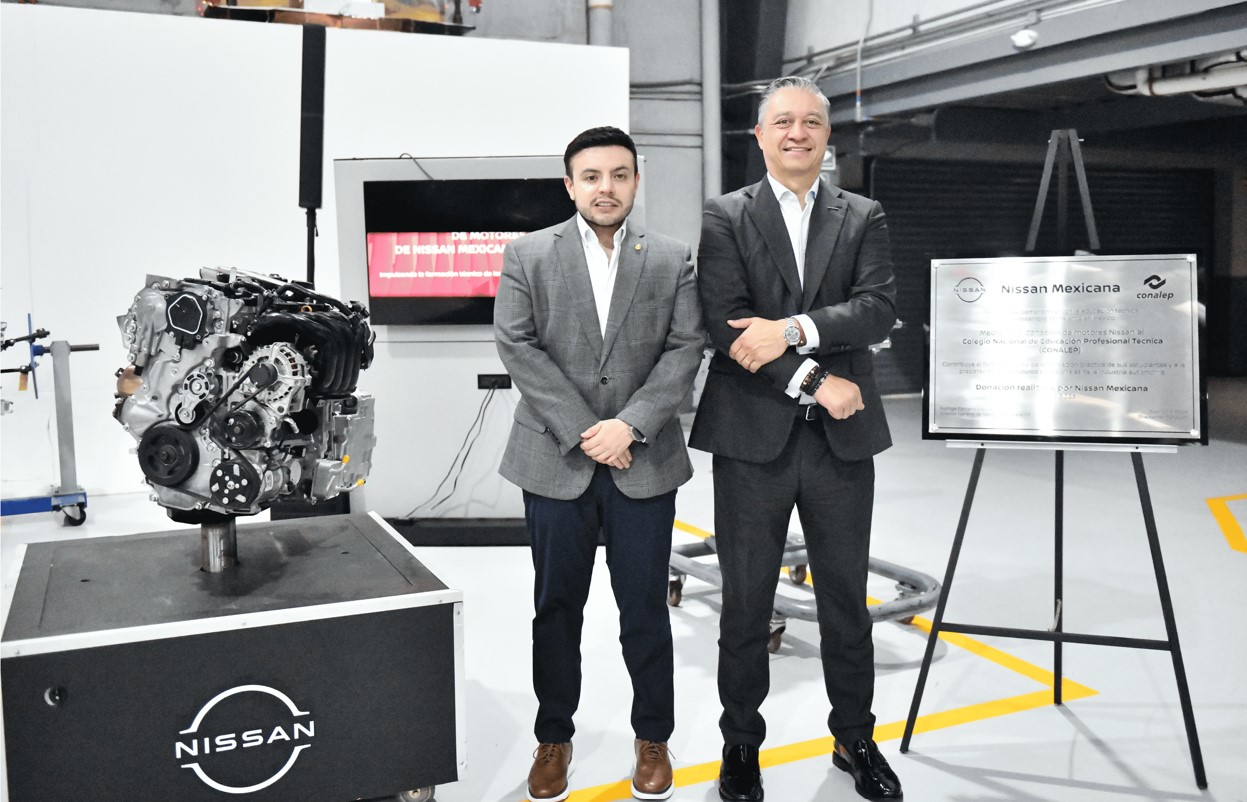
Nissan Donates Over 50 Engines to Conalep to Train 40,000 Students in Automotive Education
Sep 2, 2026

40-Hour Workweek in Mexico: Lessons from Spain, Colombia, the US, and Chile
Sep 8, 2026

San Luis Potosí Analyzes Strategies to Strengthen Regional Industry Amidst USMCA
Sep 1, 2026