
Weekly Analysis of the Most Relevant News for the Mexican Business Sector

March saw global economic shifts, electoral reform, USMCA talks, and inflation impacting Mexico's business sector. This report analyzes key economic data and its strategic implications.
March has been a month characterized by global economic repercussions stemming from the escalating conflict in the Middle East. Consequently, oil prices have risen in recent days, and the dollar has strengthened against other emerging market currencies. On the domestic front, electoral reform and USMCA negotiations have dominated the agenda for the Mexican business sector over the past week. In this report, we analyze the latest economic data and its impact on business strategy.
Key Federal Government Announcements
The Constitutional Points and Political-Electoral Reform commissions of the Chamber of Deputies approved the electoral reform bill promoted by President Claudia Sheinbaum with 45 votes in favor and 39 against. The initiative passed its first legislative hurdle but faces an uncertain future. To be approved in the full plenary session, it will require 334 votes, a qualified majority that the ruling party cannot achieve independently. Tensions among allies and the lack of support from the PT and PVEM complicate its progress in Congress.
Five years after its entry into force, the United States-Mexico-Canada Agreement (USMCA)
Furthermore, inflation in Mexico saw an uptick in February 2026, driven primarily by rising costs of food and services. According to the National Consumer Price Index (INPC) published by the National Institute of Statistics and Geography, consumer prices increased by 0.50% monthly, while annual inflation stood at 4.02%.
Among the products exerting the most pressure on price increases were fresh foods such as tomatoes and potatoes, in addition to prepared food services from ‘loncherías,’ ‘fondas,’ ‘torterías,’ and ‘taquerías,’ reflecting the impact of costs in the food sector. These categories typically have a significant influence on inflation due to their daily consumption.
Nevertheless, some products helped partially moderate the price increase. These included LP household gas, eggs, and chicken, whose prices registered decreases during the same period.
Regarding core inflation—which excludes the most volatile prices—it showed a monthly increase of 0.46% and an annual increase of 4.50%. Within this indicator, goods rose by 0.41% and services by 0.52% in February.
Non-core inflation, meanwhile, advanced by 0.64% monthly, with an annual rate of 2.44%. Additionally, the minimum consumption basket recorded a monthly increase of 0.52% and an annual increase of 3.84%, reflecting that food and services continue to pressure the cost of living at the beginning of 2026.
Financial and Business Markets
Mexican stock exchanges recorded slight losses this Wednesday morning, consistent with international market trends and amidst uncertainty due to geopolitical tensions between the United States and Iran. The S&P/BMV IPC index of the Mexican Stock Exchange fell by 0.19%, settling at 67,270.03 points. Meanwhile, the FTSE BIVA of the Institutional Stock Exchange retreated by 0.17% to 1,336.03 units.
Within the main Mexican stock index, most listed companies operated with losses. Among the most significant declines were Industrias Peñoles, down 3.93%; Grupo Comercial Chedraui, which retreated 1.73%; and Grupo Aeroportuario del Centro Norte (OMA), with a decrease of 1.46%.
Market unease is linked to the Iranian blockade of the Strait of Hormuz, a critical point for global oil trade. Iranian authorities warned that crude oil prices could reach up to $200 per barrel if U.S. attacks continue.
On Wall Street, the Nasdaq Composite advanced 0.33%, while the Dow Jones Industrial Average fell 0.33% and the S&P 500 retreated 0.09%. In Europe, indices such as the DAX, FTSE 100, CAC 40, and IBEX 35 also registered declines.
In other news, investments continue to flow into the country. Technology company KIO Data Centers announced the opening of MEX8, a new data center located in Mexico City, with an investment nearing $70 million. This project aims to strengthen the capital’s digital infrastructure and position it as one of Latin America’s leading technology hubs.
According to city authorities, the new center will increase the installed technological capacity in the city and improve the proximity and latency of digital platforms supporting key sectors such as e-commerce, fintech, healthcare, education, cybersecurity, and logistics. During its construction phase, an estimated 3,000 direct and indirect jobs will be generated, which also represents an economic boost for the region.
The head of Mexico City’s Secretariat of Economic Development, Manola Zabalza, emphasized that investments of this type confirm the capital’s technological potential and its attractiveness for innovation projects. For his part, the company’s CEO, Octavio Camarena, explained that the new infrastructure will ensure greater operational continuity and digital security for businesses and public entities.
The project also incorporates sustainability criteria. Currently, 79% of the energy used by KIO comes from renewable sources, and its centers employ closed-loop cooling systems that reuse water to regulate temperature and reduce water consumption.
Legal Reforms Impacting the Mexican Business Sector
Discussion about the 2026 electoral reform gained momentum in the Mexican Congress following the introduction of the initiative promoted by President Claudia Sheinbaum. The project proposes amending 11 articles of the Constitution and has generated reactions among legislators, specialists, and electoral authorities.
Within the debate, the National Electoral Institute (INE) expressed support for some proposals but also warned of potential operational risks in certain modifications. One of the best-received points was that the reform does not eliminate the Preliminary Electoral Results Program (PREP), a mechanism that provides preliminary results on election night. Counselor Dania Ravel noted that maintaining this system strengthens institutional stability, as it has become a reliable tool for citizens.
According to the INE, electoral legitimacy in Mexico relies on three complementary mechanisms: quick count, PREP, and district tallies, whose concordance allows for the validation of official results and reinforces public trust.
However, the initiative proposes that district tallies could begin on election night, a measure that raises concerns within the organization. Counselor Jaime Rivera explained that this change could create confusion regarding the function of each counting system.
Furthermore, the INE warned that advancing these processes would entail logistical and operational challenges, by increasing the workload for polling station officials, electoral trainers, and district council staff. Therefore, the institute emphasized that any change to the electoral system must be implemented with regulatory clarity and sufficient preparation time.
Risk and Opportunity Analysis for the Mexican Business Sector
In the context of International Women’s Day, the accounting management platform Alegra.com presented an analysis of the female entrepreneurial ecosystem in Latin America, which shows that businesses led by women are not only growing but also exhibit higher survival rates compared to other ventures.
According to the report, women-led businesses currently boast a survival rate of 63.6%, which is 6.2 percentage points higher than businesses managed by men. This indicator positions female entrepreneurship as one of the most resilient segments within the regional economy.
The study also highlights the adaptability of women entrepreneurs to the market. According to the data, 78.79% of women-led businesses issue their first invoice within the first month of operation, reflecting rapid monetization of their commercial activities.
Regarding sectors with the highest female presence, Arts and Crafts stands out, with female leadership reaching 54.4%; Personal Care, with 48.3%; and Education, with 43.1%. Furthermore, the average sales ticket for these businesses grew by 6.7% in the last semester, reaching $32.
The dynamism of these ventures is also related to the transformation of the accounting sector. In Mexico, 54% of accounting professionals are women, who are driving the shift towards technology-supported strategic consulting services.
Geographically, female leadership is primarily concentrated in Guanajuato, with 29% of women-led businesses, and in Mexico City, with 28%, regions that also show high adoption of digital accounting tools.
According to Dana Becerra, Director of Information and Data Strategy at Alegra.com, Mexican women entrepreneurs are demonstrating great agility in monetizing their projects, with nearly 80% issuing their first invoice in less than 30 days.
The report indicates that this trend holds across the region. Over the past year, the registration of new women-led businesses grew by 11.4%, which is equivalent to over 176,500 new businesses in Latin America.
Currently, one in three businesses in the region is headed by a woman, consolidating their role as a driver of economic growth. Based on these indicators, Alegra.com projects that by the end of 2026, women will lead 40% of the SME ecosystem in Latin America, propelled by faster commercialization and technological adoption.
Continue reading here:
The post
More Articles
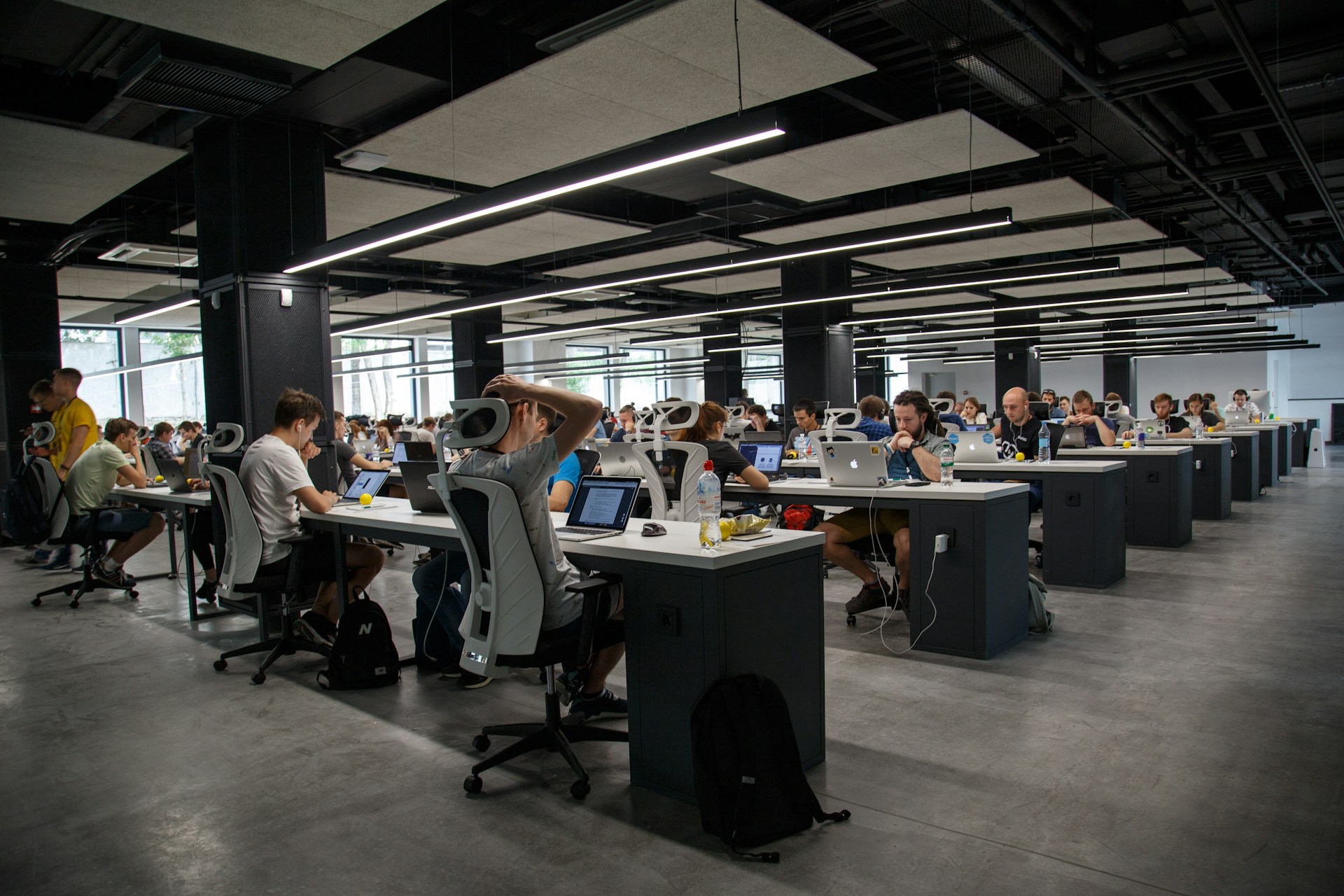
Mexico's Top Economic Sectors by Employment in 2025: INEGI
Feb 24, 2026

CANACAR Warns of Economic Impact from Highway Insecurity, Calls for Safeguarding Operations
Feb 22, 2026
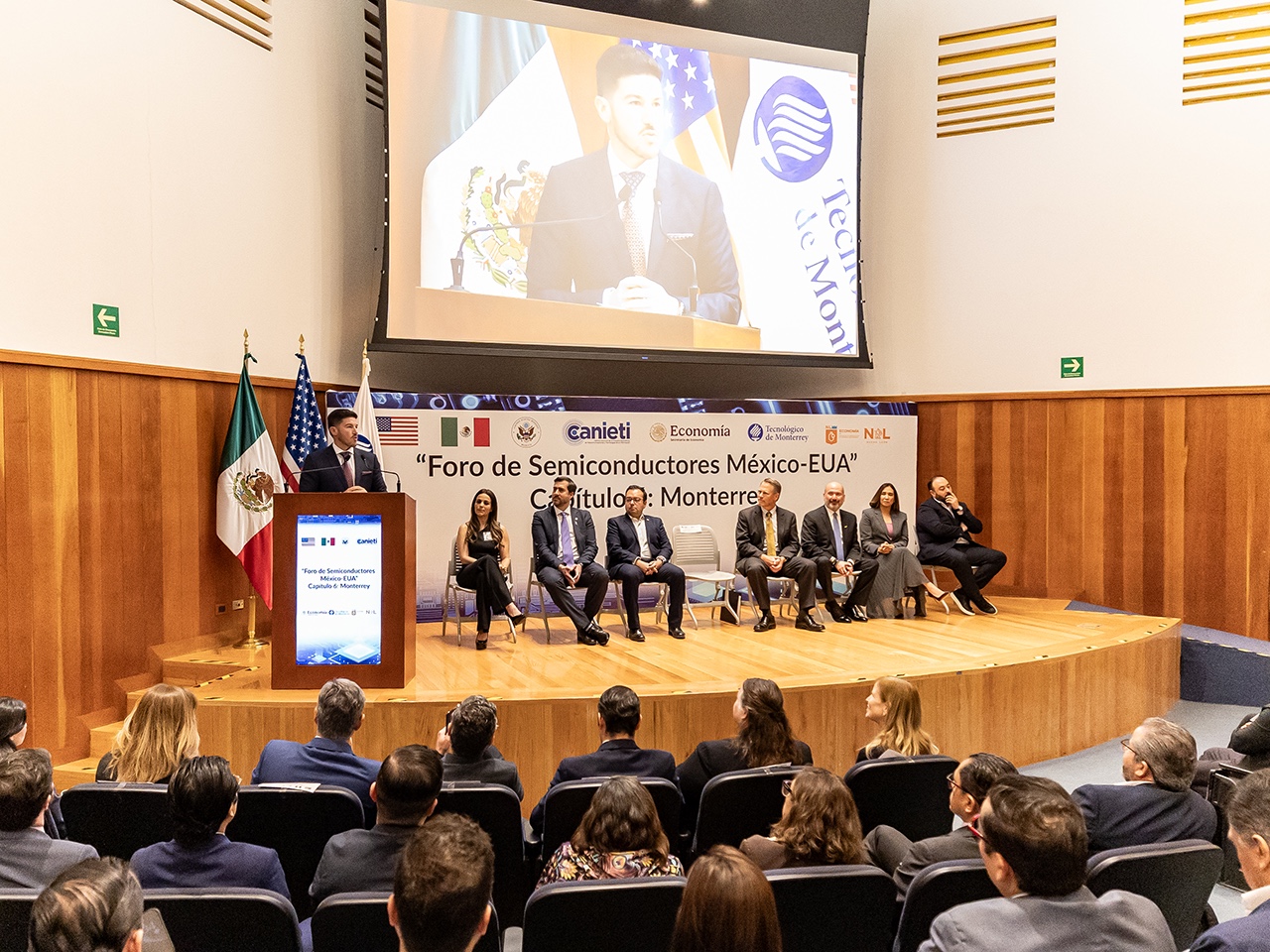
Can Nuevo León Become North America's New Semiconductor Hub?
Mar 12, 2026

Is There Equality in Mexico?
Mar 2, 2026

Business Sector Warns of Supply Chain and Employment Risks Following Violence from 'El Mencho's' Takedown
Feb 23, 2026
Guanajuato Structures MXN 4 Billion in Financing for Public Investment
Mar 4, 2026