
One in Three Companies Prioritizes Emotional Compensation to Attract Talent
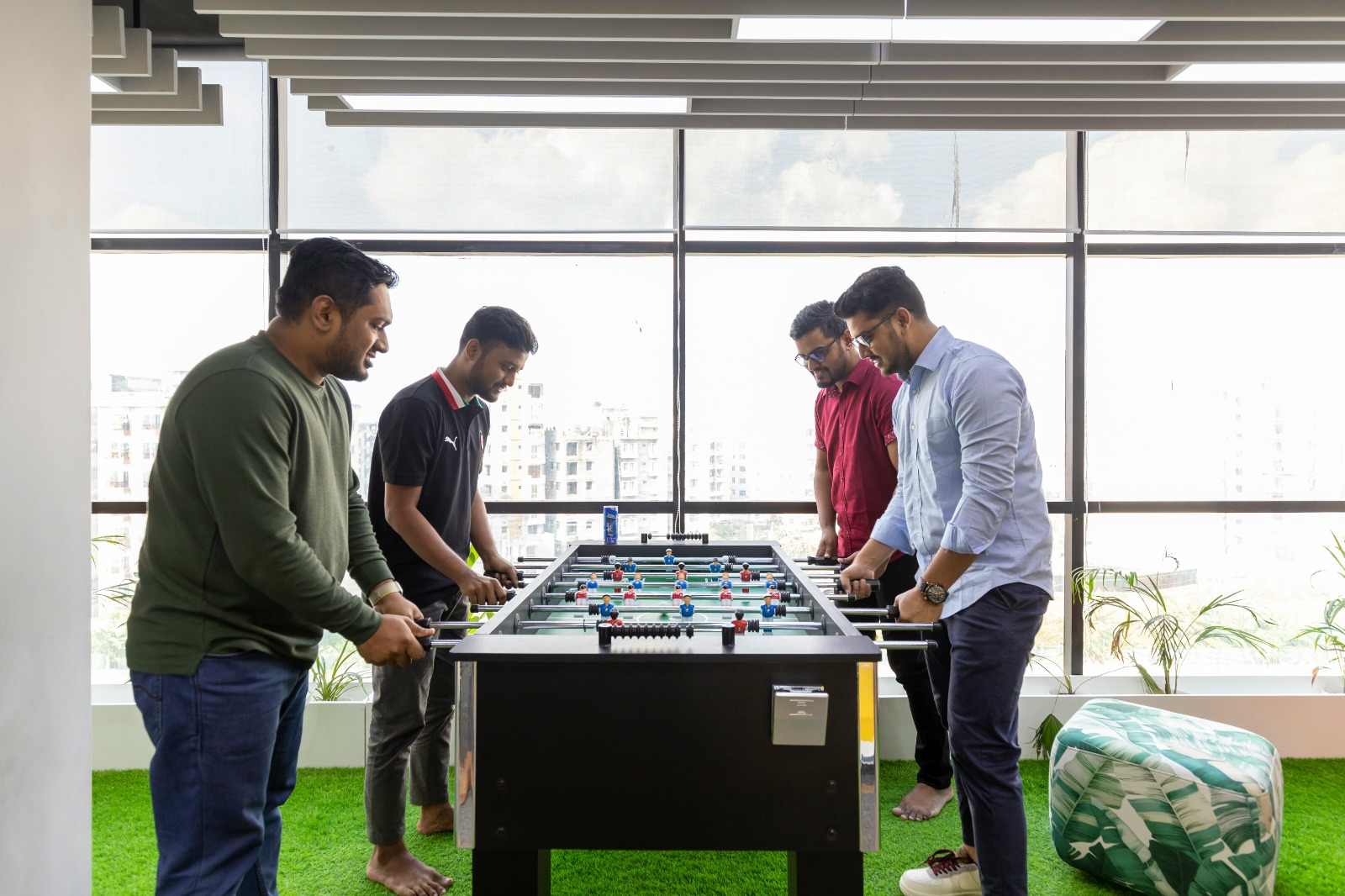
A growing number of companies prioritize non-monetary benefits and employee well-being, recognizing their crucial role in attracting and retaining talent in today's competitive job market.
In an increasingly competitive labor market, salary is no longer the sole factor determining the attractiveness of a job offer. Today, organizations are also beginning to compete in areas such as employee well-being, organizational culture, and professional growth opportunities. According to Pandapé’s “Market Research 2026,” 35% of companies recognize holistic well-being and emotional compensation as key elements for attracting talent, reflecting a shift in how companies construct their employee value proposition.
This shift responds to new expectations from professionals, who now evaluate their employment from a broader perspective that includes the work environment, the quality of leadership, and the ability to balance personal and professional life. For Haydeé Jaime, Content Strategy Manager at Pandapé, the change is evident in how individuals make career decisions.
“What we observe is a growing trend where individuals evaluate work from a much broader perspective. While salary remains important, talent also considers culture, leadership, and development opportunities. Organizations that understand this shift build stronger employment relationships,” she explains.
Employment No Longer Measured by Salary Alone
For decades, financial compensation was the primary incentive for attracting and retaining talent. However, this paradigm is beginning to transform.
Today, variables such as workplace flexibility, work environment, and learning opportunities directly influence the decision to accept a job offer or seek new professional opportunities. This evolution reflects a deeper change in how individuals perceive their professional lives: work is no longer seen solely as a means of economic stability but also becomes a space for personal development, purpose, and work-life balance.
Well-being as a Competitive Advantage
The study results also indicate that talent increasingly prioritizes elements linked to their quality of life at work. Factors such as professional development, work-life balance, and a healthy organizational environment have become decisive for remaining with a company or considering a change.
In this context, the employee value proposition plays a strategic role. Companies that clearly communicate their working conditions, organizational culture, and growth opportunities gain an advantage over those that base their competitiveness solely on salary.
Competing Through Employee Experience
This shift in expectations also prompts organizations to rethink their employer brand. Well-being programs, approachable leadership, flexible arrangements, and continuous training are increasingly part of strategies to attract and retain talent.
Furthermore, technology is beginning to play a relevant role in this process. Data analysis related to turnover, organizational climate, and employee experience allows companies to identify which factors influence talent retention and what adjustments are necessary to strengthen their work environment.
“Companies that understand this change stop competing solely on salary and begin to compete through employee experience. When well-being, development, and purpose are integrated into the organizational culture, work ceases to be merely an economic offer and transforms into a shared project, with benefits for both the employee and the company,” Jaime concludes.
The post
More Articles

Celaya Progresses in Strategic Rail Infrastructure
Feb 16, 2026

BMW Production in San Luis Potosí Falls Over 50% in First Bimester of 2026
Mar 9, 2026

Beyond Pretense: Women in Industry (Part II)
Mar 18, 2026

CANACAR Warns of Economic Impact from Highway Insecurity, Calls for Safeguarding Operations
Feb 22, 2026

"Manufacturing to Be Heavily Impacted": Conchita Miranda Warns Ahead of Imminent 40-Hour Workweek
Feb 27, 2026

Electronics and Petroleum Drive Mexican Manufacturing
Mar 18, 2026