
This is the ABC of Mexico's 40-Hour Workday Reform
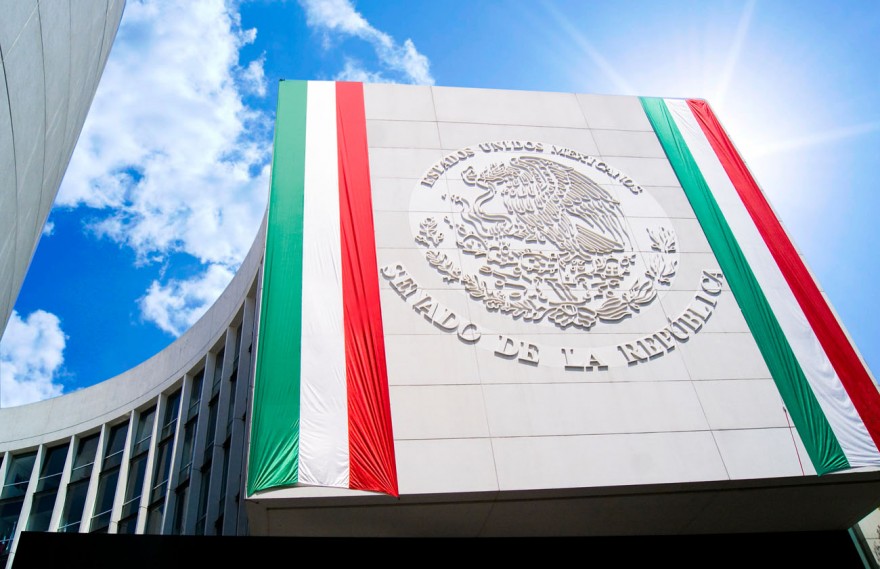
Mexico's Senate approved a constitutional reform to reduce the work week from 48 to 40 hours. This article explains the changes, transition, economic context, and international precedents.
This Wednesday, February 11, the Senate of the Republic unanimously approved a constitutional reform to reduce the work week in Mexico from 48 to 40 hours. The initiative was presented by President Claudia Sheinbaum, through the Ministry of Labor and Social Welfare (STPS), and is part of the so-called “Second Stage of the Transformation.” The bill will now be forwarded to the Chamber of Deputies for its analysis, discussion, and eventual constitutional approval. However, this legislative discussion does not occur in a vacuum, nor is it detached from a strained reality. It takes place in a particularly sensitive environment: between 2024 and 2025
, while labor informality already exceeds 54% of the employed population. In this context, the reduction of working hours has not only labor but also economic implications.
What Changes in the Constitution?
In legal terms, the reform modifies Constitutional Article 123 to establish that the maximum work week will be 40 hours. Until now, the legal limit has been 48 hours. Under the new scheme, the ordinary daily work shift remains eight hours, but the weekly total will be progressively reduced. A central element of the bill is that there will be no reduction in salary or benefits. This means the reduction in hours will not imply a downward adjustment in remuneration, which constitutes one of the political cornerstones of the proposal.
How Will the Transition Unfold?
However, implementation will not be immediate, as the transition will extend until 2030, with a two-hour reduction per year according to the following schedule:
- 2026: Transition begins
- 2027: 46 hours
- 2028: 44 hours
- 2029: 42 hours
- 2030: 40 hours Furthermore, the reduction will be automatic every January 1st, providing certainty in the timeline while also obliging companies to anticipate gradual operational adjustments. The stated objective is to allow productive sectors to adapt shifts, staffing, and operational schemes without immediate disruption.
What About Overtime Hours?
One of the most relevant technical changes lies in the calculation of overtime hours. With the reform, overtime hours will begin to be counted starting from the 41st hour. Currently, overtime pay begins after 48 weekly hours. With the new threshold, the margin is significantly reduced. The proposed scheme includes:
- A maximum of 12 voluntary overtime hours per week.
- A cap of 4 triple-pay hours.
- A maximum weekly work schedule (ordinary + overtime) of 56 hours. According to the official presentation, under this model, a worker could maintain the same income while working up to 10 fewer hours per week. Moreover, if a worker chooses to utilize the maximum allowed overtime hours, they could increase their income by up to 32.24%.
How Many Workers Are Impacted?
In terms of scope, the INEGI National Survey of Occupation and Employment indicates that the average time worked in Mexico is 42 hours per week. This means a significant portion of the workforce is already close to the new limit. However, the reform would primarily impact those who work more than 40 hours. According to information from the STPS, 36.1% of workers currently work more than 40 hours. Among the sectors with the highest proportion of workers in that range are manufacturing, trade, accommodation and food services, transportation, and business support services.
What International Standards Does it Cite?
In a comparative context, the initiative references standards from the International Labour Organization (ILO), particularly Convention 47 on the 40-hour work week and Recommendation 116 on the progressive reduction of working time without salary decrease. Furthermore, the international comparison included in the presentation positions Mexico with an average of hours worked higher than that of several OECD countries that already operate with 40-hour weeks or less. The central argument is convergence with international standards. In parallel, the reform contemplates more robust supervision mechanisms. Specifically, a mandatory electronic work log is proposed. The STPS will be the authority responsible for establishing the corresponding technical guidelines, which opens a new front of administrative compliance for employers.
The Economic Context
Finally, the economic component is undeniable. The approval of the reform occurs at a time of structural tension in the labor market:
- More than 42,000 employers ceased to be registered between 2024 and 2025.
- 33 million people work in informal conditions.
- The informal economy represents 25.4% of the national GDP.
- More than half of the employed population is outside the fully formal framework. While Mexico maintains a low unemployment rate (2.4%), the employment structure shows a high dependence on informality. In this scenario, if the Chamber of Deputies approves the reform and state legislatures ratify it, Mexico will begin a constitutional transition towards a 40-hour work week in 2026, culminating in 2030.
You May Also Be Interested In
The post
first appeared on Líder Empresarial.
More Articles

Middle East Conflict Halts Maritime Routes: How Does it Affect Mexico's Logistics?
Mar 3, 2026

Mexico's Oil Barrel Production Accelerates in February: Pemex Reports
Mar 31, 2026

Reduced Working Hours in Mexico: Risks, Costs, and What Businesses Must Monitor
Mar 20, 2026
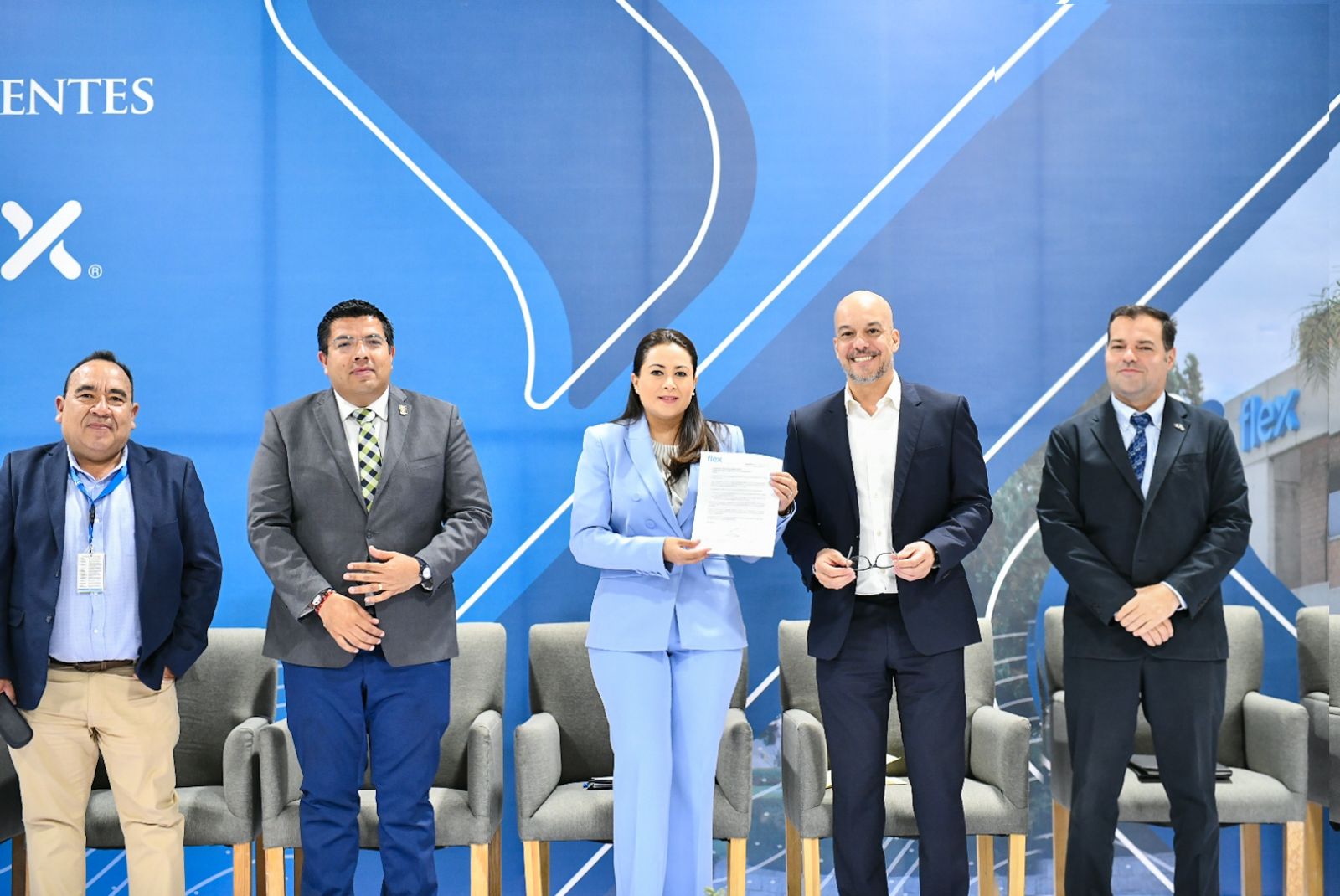
Flex Announces Expansion in Aguascalientes: Bolstering its Robotics Hub Capacity
Mar 2, 2026

How Nuevo León Strengthens Its Security Strategy in 2026
Mar 19, 2026

How Does the Closure of the Strait of Hormuz Impact the Global Economy?
Mar 3, 2026