
Trump Announces 25% Tariffs on Auto, Chip, and Drug Imports
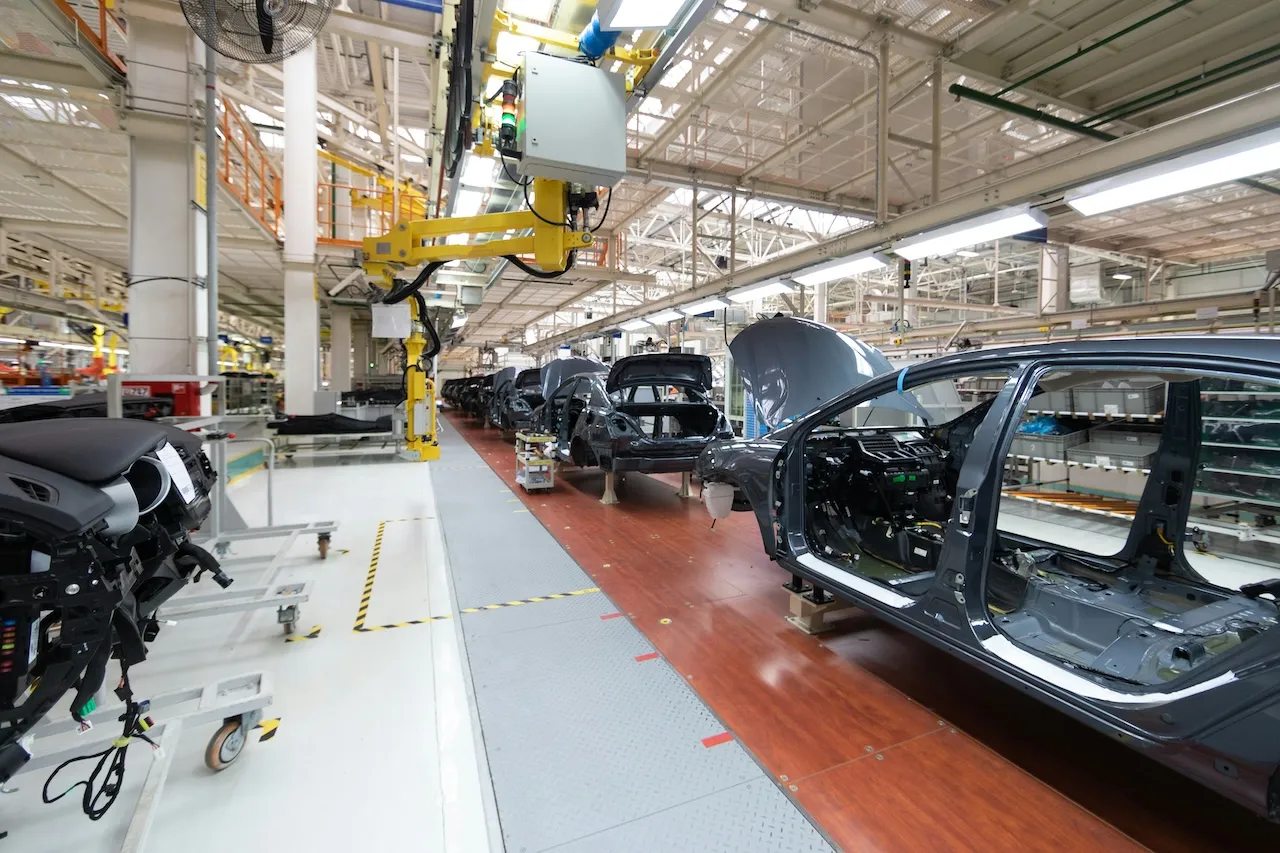
The President of the United States, Donald Trump, announced this Tuesday his intention to impose 25% tariffs on the import of automobiles, pharmaceuticals, and semiconductor chips.
The President of the United States, Donald Trump, announced this Tuesday his intention to impose 25% tariffs on the import of automobiles, pharmaceuticals, and semiconductor chips. Likewise, this measure is part of Trump’s strategy to reduce the trade deficit and promote local manufacturing.
However, the announcement has raised alarms among the main trading partners of the United States, especially Mexico and Canada, who could face serious economic repercussions.
When Would the 25% Tariffs on Autos, Chips, and Drugs Go Into Effect?1080
For his part, the president indicated that this new import tax is scheduled to take effect in April 2025. In addition, he pointed out that he seeks to give companies time to move their production plants to US territory before the new taxes are implemented.
Trump’s Tariffs in 20251540
Meanwhile, the announcement of these tariffs marks a new episode in the protectionist strategy of the Trump administration. Also, last week, the president signed an executive order to review trade relations with the aim of implementing reciprocal tariffs.
In addition, this action adds to the application of a 25% tax on steel and aluminum, a measure that will take effect on March 4 and will directly impact its partners in the Treaty between Mexico, the United States, and Canada (USMCA).
Trump reiterated his position at an event at his Mar-a-Lago club, where he stated that tariffs on pharmaceutical products and chips could be even higher:
“They will be 25% or more and will increase substantially over the course of the year,” declared the US president.
It should be noted that for Mexico, the imposition of these tariffs could severely affect the export of cars and auto parts. Likewise, the country has been singled out by Washington for using primary aluminum from China and Russia to manufacture finished products that are then exported to the US, as well as receiving Chinese investments in this sector.
Reactions to Auto, Chip, and Pharma Tariffs2712
Finally, the markets have reacted cautiously to Trump’s announcement. The automotive industry, chip manufacturers, and pharmaceutical companies expressed concern about the additional costs that these measures could generate. In other words, it could translate into higher prices for US consumers.
For its part, China responded with retaliatory measures, including additional tariffs on US products. Meanwhile, the White House argues that the increase in imports of steel and aluminum justifies the application of these new tariffs.
Consequently, the collateral effects could be severe, especially for the economies of Mexico and Canada, which depend heavily on trade with their northern neighbor.
Related Articles
More Articles
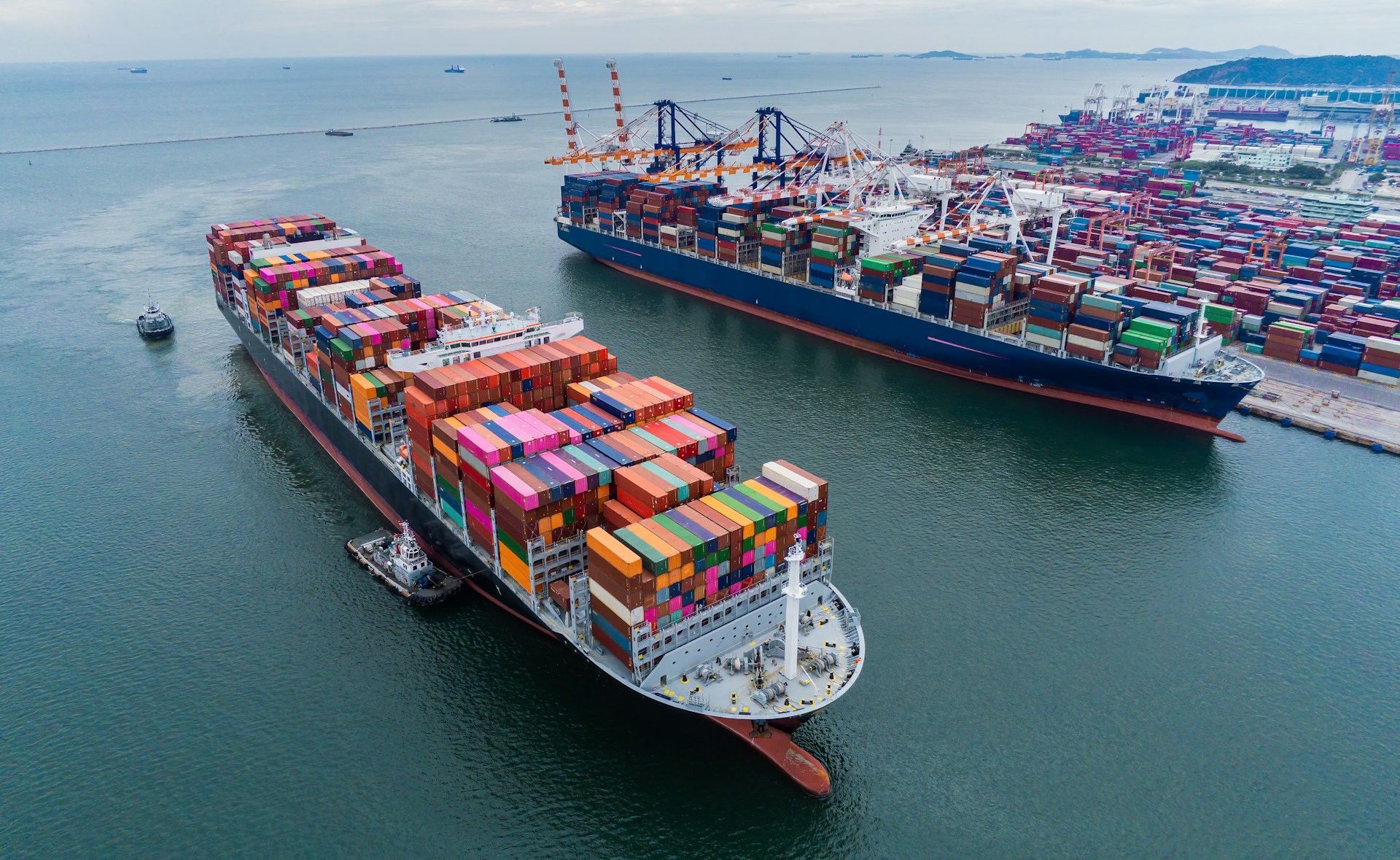
Nearshoring Without New Plants: How Existing Factories in Querétaro Are Growing
Jul 11, 2026

98.4% of Employers and Entrepreneurs Would Rehire UAA Graduates, According to Study
Jul 29, 2026

Aguascalientes Ranks Fifth in Grape Production in Mexico, Confirms Viticulture Council
Jul 27, 2026
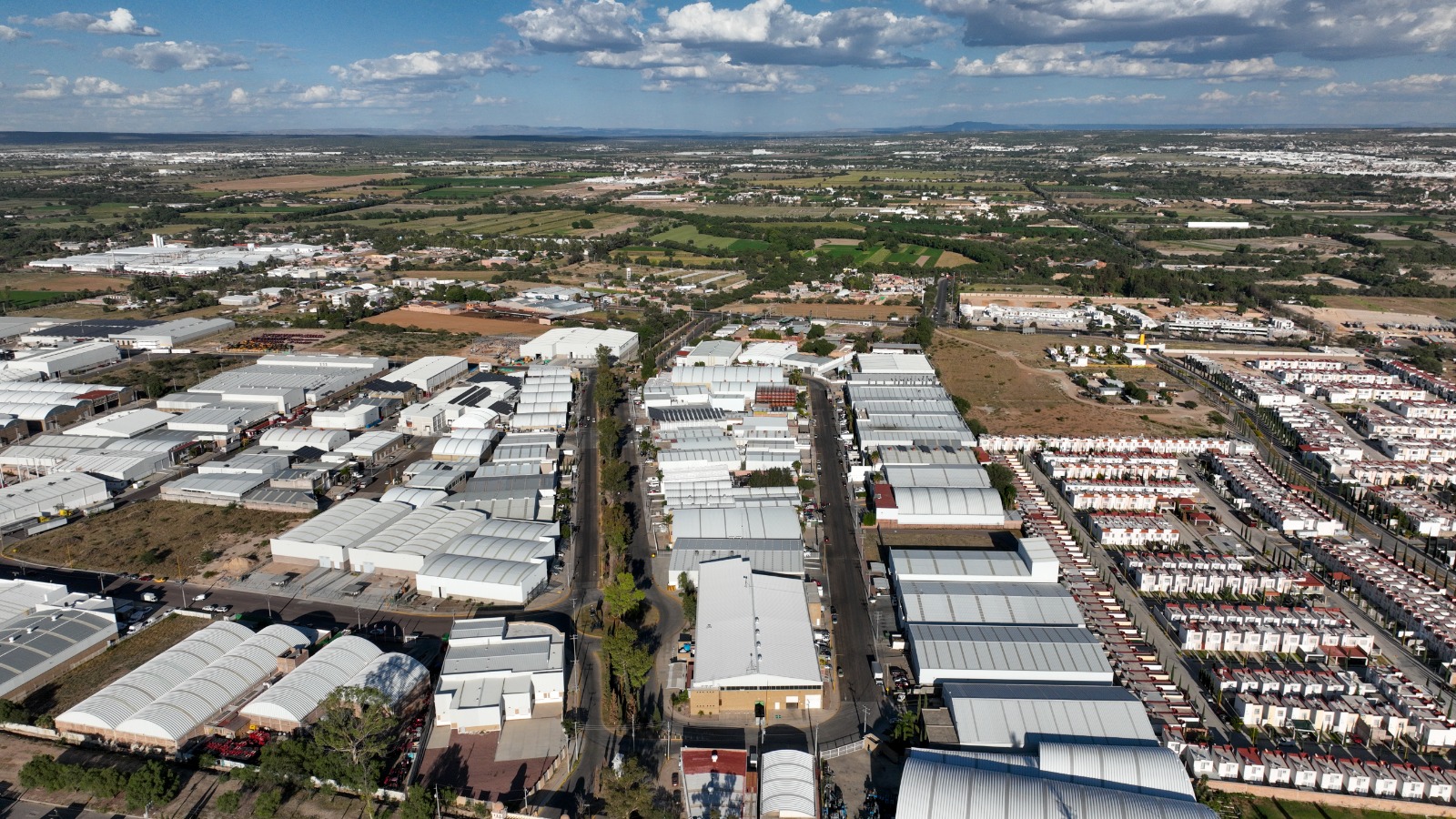
Aguascalientes Sees 211% Surge in Foreign Direct Investment for Q1 2026
Jul 14, 2026
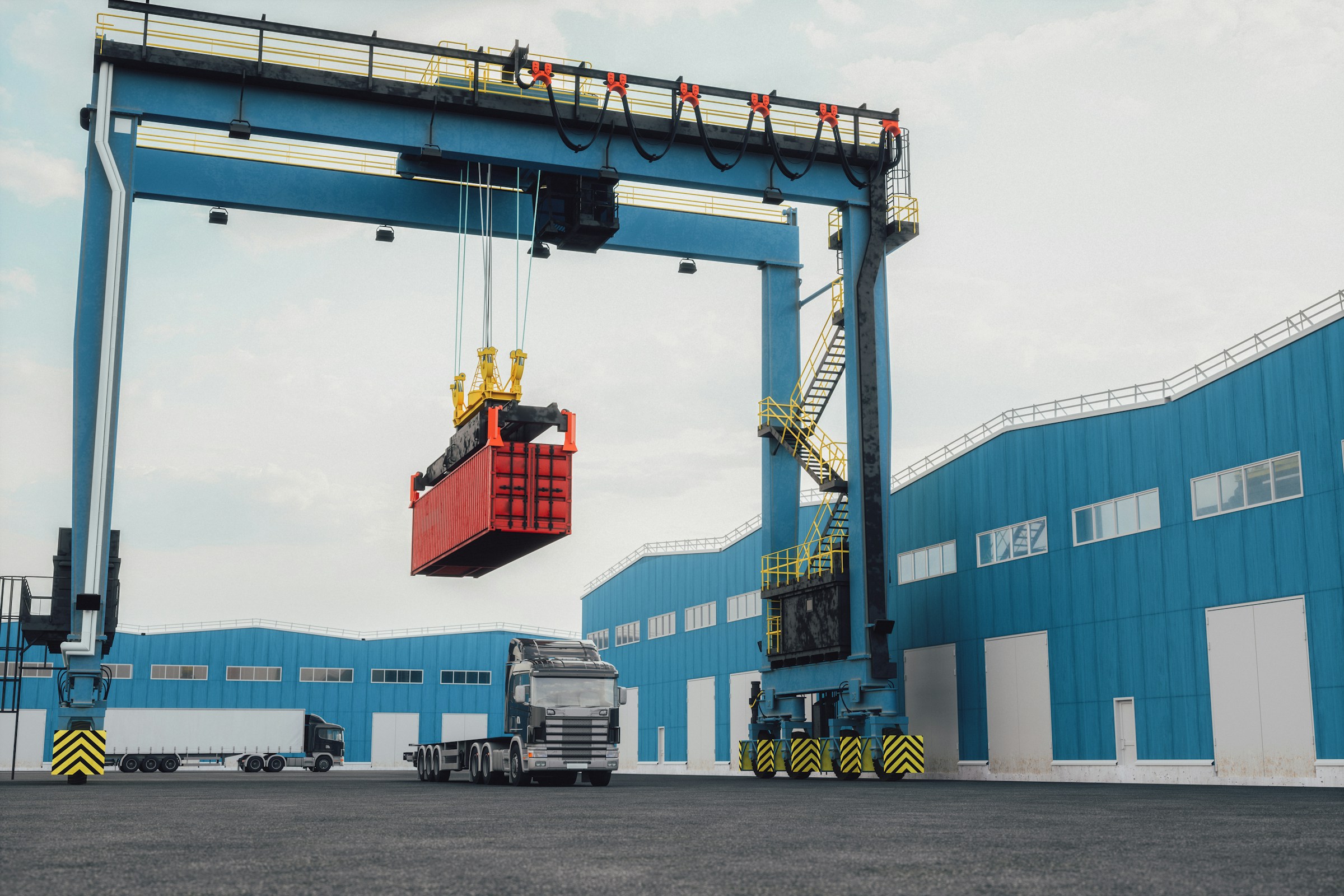
Mexico-US Trade Deficit Reaches $197 Billion: Is Trump Preparing New Tariffs?
Jul 16, 2026

Brazil Tariffs: Mexico's New Gateway to the United States?
Jul 16, 2026