
Trump Announces 'reciprocal' Tariffs: What Are They About?
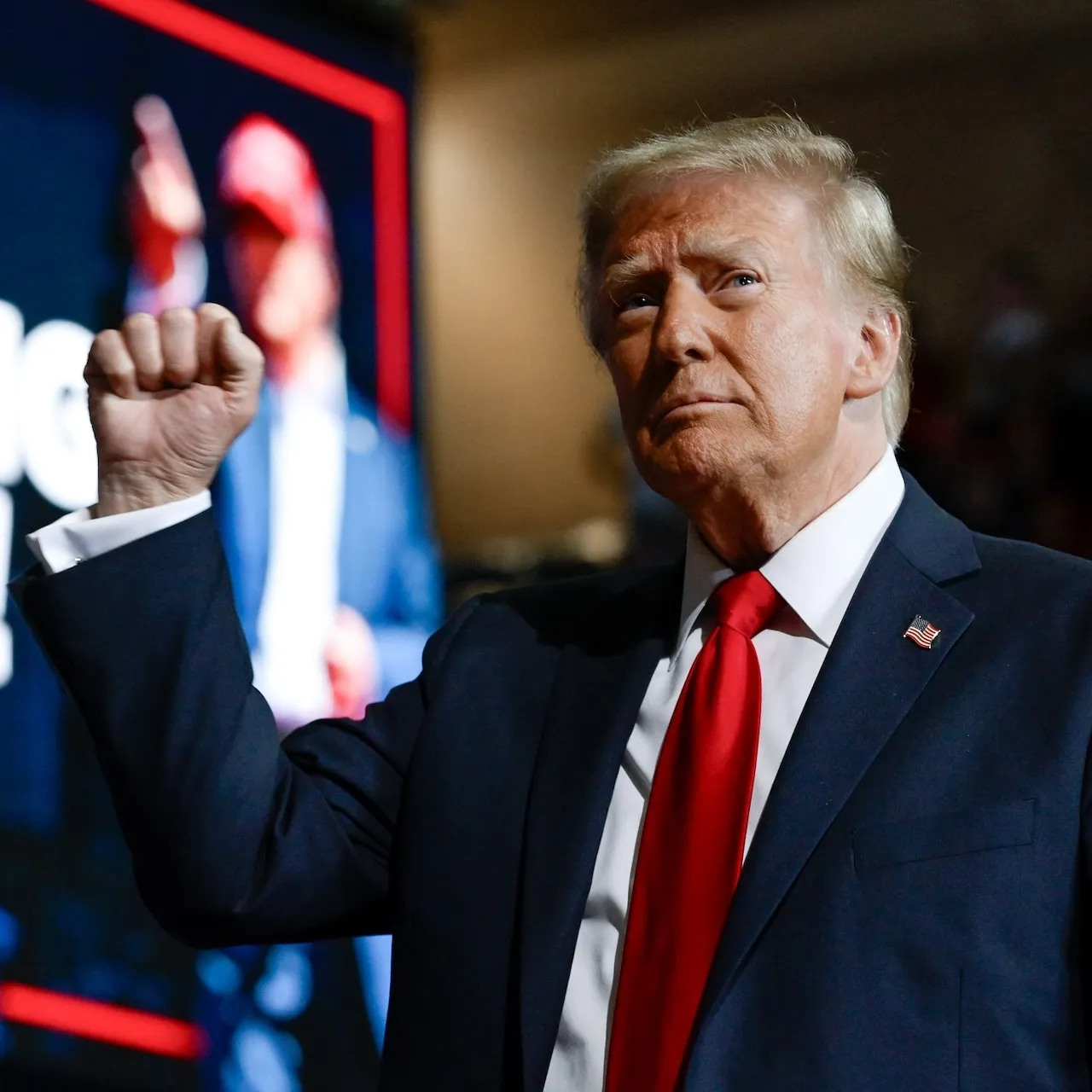
The President of the United States, Donald Trump, announced a new trade policy that could redefine the country's economic relations with the world.
The President of the United States, Donald Trump, announced a new trade policy that could redefine the country’s economic relations with the world. Likewise, in a statement from the Oval Office, the president announced that his government will apply reciprocal tariffs to those nations that impose tariffs on American products.
“In matters of trade, I have decided, for reasons of fairness, that I will charge a reciprocal tariff. That is, what countries charge the United States of America, we will charge them all,” said the president.
It should be noted that this decision comes in a context of trade tensions with countries such as China, Mexico, and Canada, although the imposition of tariffs for the latter two are on hold for the moment.
Meanwhile, Trump acknowledged that he does not have exact figures for each country, but assured that his team will analyze case by case to determine the appropriate rates.
“The particular country is analyzed and what they charge us is observed. In almost all cases, they charge us, which is very lucky that we charged them,” he explained.
When Will Trump’s Reciprocal Tariffs Come Into Effect?
On the other hand, although tariffs have been implemented through an executive action, their application will not be immediate. That is, Trump said he seeks to give countries time to renegotiate their trade agreements with the United States.
In addition, a group of senior advisors will determine the specific figures and the implementation schedule. Among those in charge of this task are Peter Navarro, presidential advisor; Jamieson Greer, nominated as trade representative; Kevin Hassett, director of the National Economic Council; and Scott Bessent, Secretary of the Treasury.
More Trump Tariffs for the World
Likewise, imposing tariffs has been Trump’s plan since his candidacy for president. Among the first actions contemplated was to charge tariffs of 25% on imports from Mexico and Canada. However, after negotiations, the tariffs are suspended until next March, when it will be known if it will be a final decision.
Also, the head of government of the United States announced a tariff of 25% on steel and aluminum, with the possibility that this tariff will increase to 50% for Mexico and Canada if an agreement is not reached before March 4. Meanwhile, China already faces a 10% tariff on its exports to the US.
Related Articles
More Articles

Aguascalientes Companies Target Halal Market
Aug 19, 2026

Financial Markets Today, August 17: Dollar, Fed, and Oil Define the Day
Aug 17, 2026
Supply Chain Security: How Can Companies Prepare for Emerging Risks?
Aug 24, 2026

Nissan Donates Over 50 Engines to Conalep to Train 40,000 Students in Automotive Education
Sep 2, 2026

Aguascalientes Budget to Rise 7.2% from 2026; Among the Nation's Largest Increases
Sep 10, 2026
2027 Elections: Which States Will See a Change in Governorship?
Sep 7, 2026