
Why Are Farmers Opposing the New Water Law?: The ABCs of the Reform
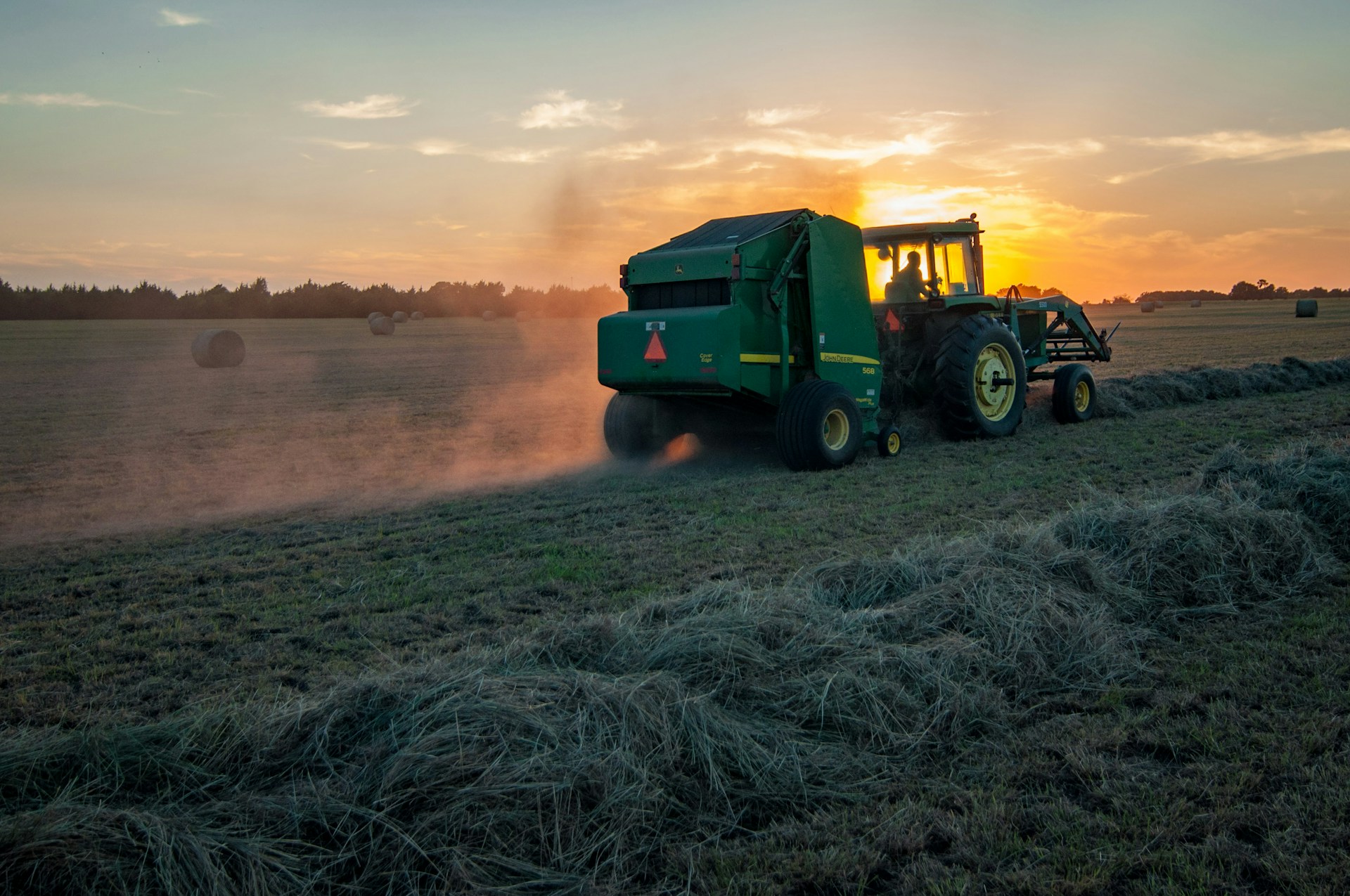
Mexican farmers protest a new water law, fearing loss of property rights and agricultural livelihood as water shifts from commodity to national asset.
While inside the Legislative Palace of San Lázaro, commissions are attempting to unblock discussions this Wednesday on the new General Water Law, outside, farmer pressure is measured in kilometers of
December 3rd marks a turning point: deputies resume the debate with a package of 50 last-minute modifications designed to appease tensions. However, the response from the agricultural sector has not been applause, but the roar of engines on the Acatzingo-Ciudad Mendoza highway, where the “Great Tractor Caravan” continues its advance as a physical reminder that the fine print of the reform still fails to convince those who feed the nation.### The Highway Sets the Legislative AgendaWhat began as a desk negotiation has transformed into a governance crisis in the border region of Puebla, Veracruz, and Tlaxcala. The Pu-Ve-Tax Agricultural Alliance fulfilled its warning, and faced with the perception that decisions are being made “without consulting the agricultural sector,” it moved the debate from the parliamentary seat to the highway. Although the Ministry of Interior insists on maintaining dialogue, distrust has deeply settled within the sector. Farmers, who remain “on alert” to advance toward the capital, view the reform as an existential threat to their assets. For them, the equation is simple and dramatic: today’s legislative promises do not guarantee tomorrow’s water, and without that certainty, food production enters a realm of mere survival.### When Water Ceases to Be a CommodityThe Gordian knot that legislators are attempting to untangle today lies in a radical paradigm shift: the reform seeks for water to cease being viewed as a commodity and to become a strategic asset of the nation. While the rhetoric sounds noble, the technical implementation has raised alarms. The original initiative repeals the possibility of transferring concession titles between private parties and prohibits changes in water use. For the average farmer, this means losing flexibility and asset value over their land. Although Ricardo Monreal, President of the Political Coordination Board of the Chamber of Deputies, asserts that the issue of inheritances and the sale of properties with included concessions “is already resolved” in the transitional provisions, the fear of dead letter laws or bureaucratic discretion keeps producers on a war footing.### Between Official Discourse and the Reality of the FurrowIn an attempt to defuse the conflict, the Political Coordination Board claims to have incorporated fifty changes that, in theory, protect family agricultural activity and acquired rights. It even promises to regularize wells and respect free water extraction zones. However, the fluidity of political discourse clashes with the rigidity of the reality in the furrow. While the President of the Chamber,
, acknowledges that demands continue to arrive and that the report could still undergo major revisions during today’s session, farmers maintain that they will not lift the siege until they see solutions enshrined in law, not just promises. Today, San Lázaro is not just voting on articles; it is voting on the social peace of the Mexican countryside.## More DetailsThe post
first appeared in Líder Empresarial.
More Articles

COMCE 2026 Congress: How Will It Boost Nuevo León's Foreign Trade?
Sep 2, 2026

How is Business Confidence in Mexico Performing?: INEGI Data for August 2026
Sep 1, 2026

How the "Super Peso" Could Pressure San Luis Potosí's Agribusiness Exporters
Aug 27, 2026
Digital Transformation is Key to Competing in the 2026 USMCA: Deloitte
Aug 14, 2026

Canada's Tariffs on US Goods Take Effect Today: What's the Impact on Mexico?
Sep 8, 2026

Querétaro Surpasses 10% Growth in Automotive Parts Production
Sep 8, 2026