
Will Olinia Electric Vehicles Launch Before the 2026 World Cup in Mexico?
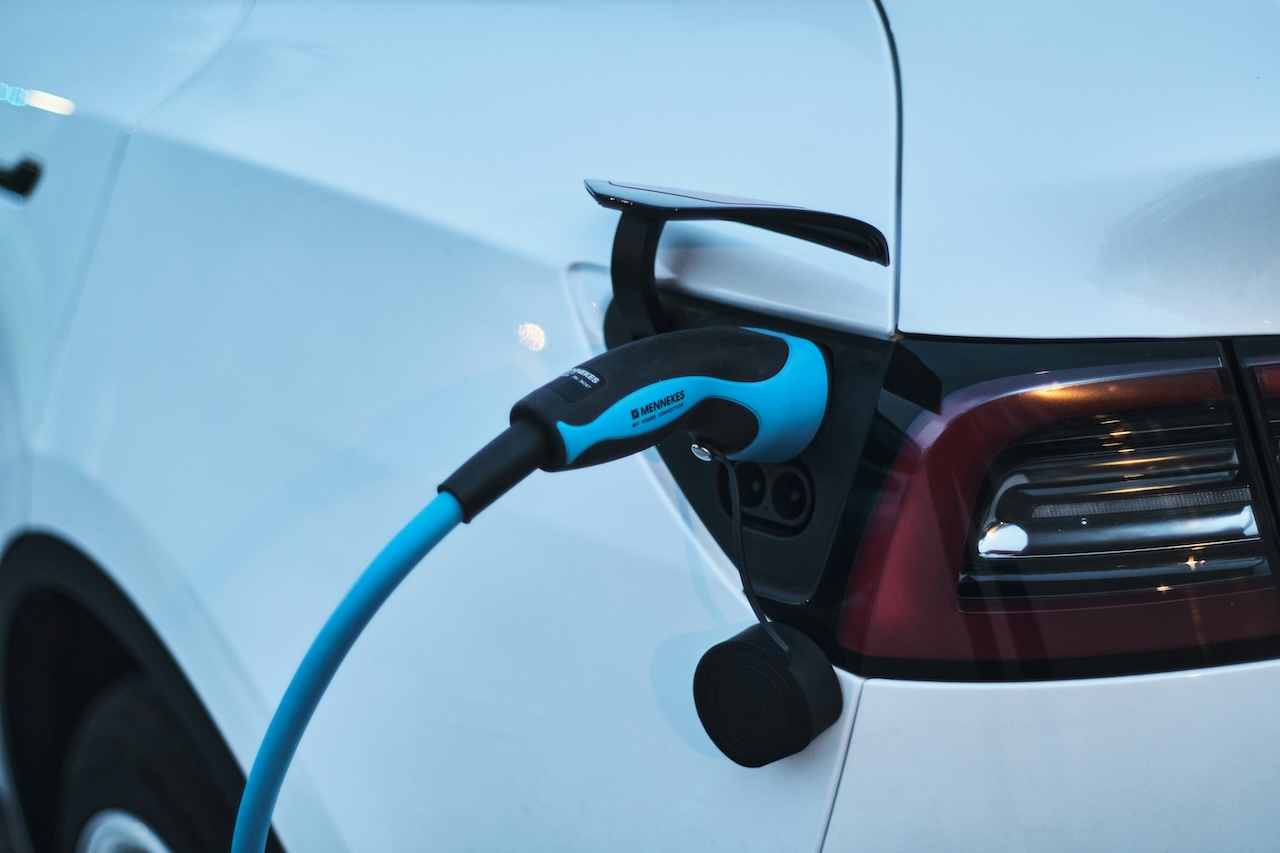
Olinia electric vehicles, developed in Mexico, aim for affordable urban electromobility but face delays, now projected for a 2027 launch, missing the 2026 World Cup.
In 2025, the creation of Olinia electric vehicles was announced in Mexico. This project involves a vehicle developed entirely within the country by researchers, engineers, and students from public institutions, promising to democratize access to electromobility with accessible pricing. Initially, the commitment was for Olinia vehicles to be ready for the 2026 World Cup. Olinia is not a traditional electric car. From its inception, the project has aimed to differentiate itself from major global automakers by targeting an underexplored segment: low-speed light urban vehicles. This approach addresses the millions of daily commutes in the country that occur over short distances in congested urban environments, where a high-cost electric SUV is unnecessary. The project is coordinated by the Ministry of Science, Humanities, Technology, and Innovation (Secihti), in collaboration with institutions such as the National Polytechnic Institute (IPN) and the National Technological Institute of Mexico (TecNM). Its development represents a synergy between academia, government, and potential private investment. Furthermore, Olinia seeks to position itself as a symbol of national innovation. It is not merely a vehicle but a narrative of technological self-sufficiency that the federal government has promoted as part of its industrial strategy.
Olinia Features
Unlike
conventional electric vehicles, Olinia is characterized by: -Maximum speed of 50 km/h -Exclusive urban focus -Recharging capability with conventional outlets -Compact and functional design -Low production cost This approach deviates from current market logic, which is dominated by high-priced, long-range vehicles.
Prototypes, Investment, and Challenges: The Path to Launch
According to reports from Bloomberg, the project plans to unveil two functional prototypes, marking the first major step towards its consolidation. The project timeline includes several critical phases: -Prototype Engineering Finalization: This technical stage is expected to be completed in the short term, defining actual product specifications. -Initial Unit Manufacturing: Following the prototypes, initial production for testing will commence. -Technical Testing and Validation: This phase will be crucial for demonstrating viability to investors. -Private Capital Raising: Olinia aims to secure approximately 200 million dollars to scale production. -Commercial Launch: Projected for the first quarter of 2027. This last point is crucial, as the federal government itself has confirmed that the vehicles will not be available until 2027, thus excluding them from the 2026 World Cup.
What Models Will Olinia Offer and What Will They Cost?
One of the project’s main attractions is its economic accessibility. Unlike current electric vehicles, whose prices easily exceed 500,000 pesos, Olinia targets a much lower range. The project contemplates three main variants: -Personal Mobility: Designed for short trips and as an alternative to motorcycles. -Transit Mobility: Intended to replace mototaxis in communities. -Cargo and Delivery: Focused on small businesses and urban logistics. Additionally, the first prototypes include a passenger vehicle with capacity for up to six people and a cargo model with a 600 kg capacity. The projected cost ranges between 90,000 and 150,000 pesos. This range positions it as one of the most accessible electric vehicles on the market, which could trigger its mass adoption if it successfully consolidates.
Why Won’t Olinia Arrive Before the 2026 World Cup?
Despite initial enthusiasm, structural factors explain why Olinia will not be in circulation for one of Mexico’s most significant upcoming events. Key reasons include: -Technological Development Time: Creating a vehicle from scratch involves testing, validation, and adjustments that cannot be rushed without compromising safety. -Lack of Industrial Infrastructure: Mexico still has limited capabilities in battery production and lithium extraction. -Dependence on Private Investment: The project requires external capital to scale, which introduces uncertainty. -Regulation in Process: The light urban vehicle category still requires full approval, which could take between one and two years. -Undefined Production: The location of the manufacturing plant has not yet been officially announced.
The Government’s Role and the Bet on a National Industry
Government backing has been fundamental for Olinia’s development. President Claudia Sheinbaum has presented the project as an example of Mexican innovation and local technological capacity. To date, funding includes: -Less than 50 million pesos in seed capital -An additional 175 million pesos for battery development -Institutional support for research
You can also read:
The post
first appeared on Líder Empresarial.
More Articles
Artificial Intelligence "Is Here to Stay" and Opens Historical Opportunity for Aguascalientes: Capgemini
Feb 19, 2026

New Air Routes to Open in Jalisco Ahead of the 2026 World Cup: What Are the Routes?
Feb 17, 2026

Apple Unveils iPhone 17e: Features and Pricing in Mexico
Mar 2, 2026
Mazda Guanajuato Plant to Strengthen KOKORO Social Strategy; Allocated 41.8 Million Pesos to Children in 2025
Mar 2, 2026

Weekly Analysis of the Most Relevant News for the Mexican Business Sector
Mar 11, 2026
Guanajuato Strengthens Its Tourism Strategy at ANATO 2026 Colombia
Feb 27, 2026