
Will There Be New Blockades in Jalisco? Farmers Oppose Water Law Reform
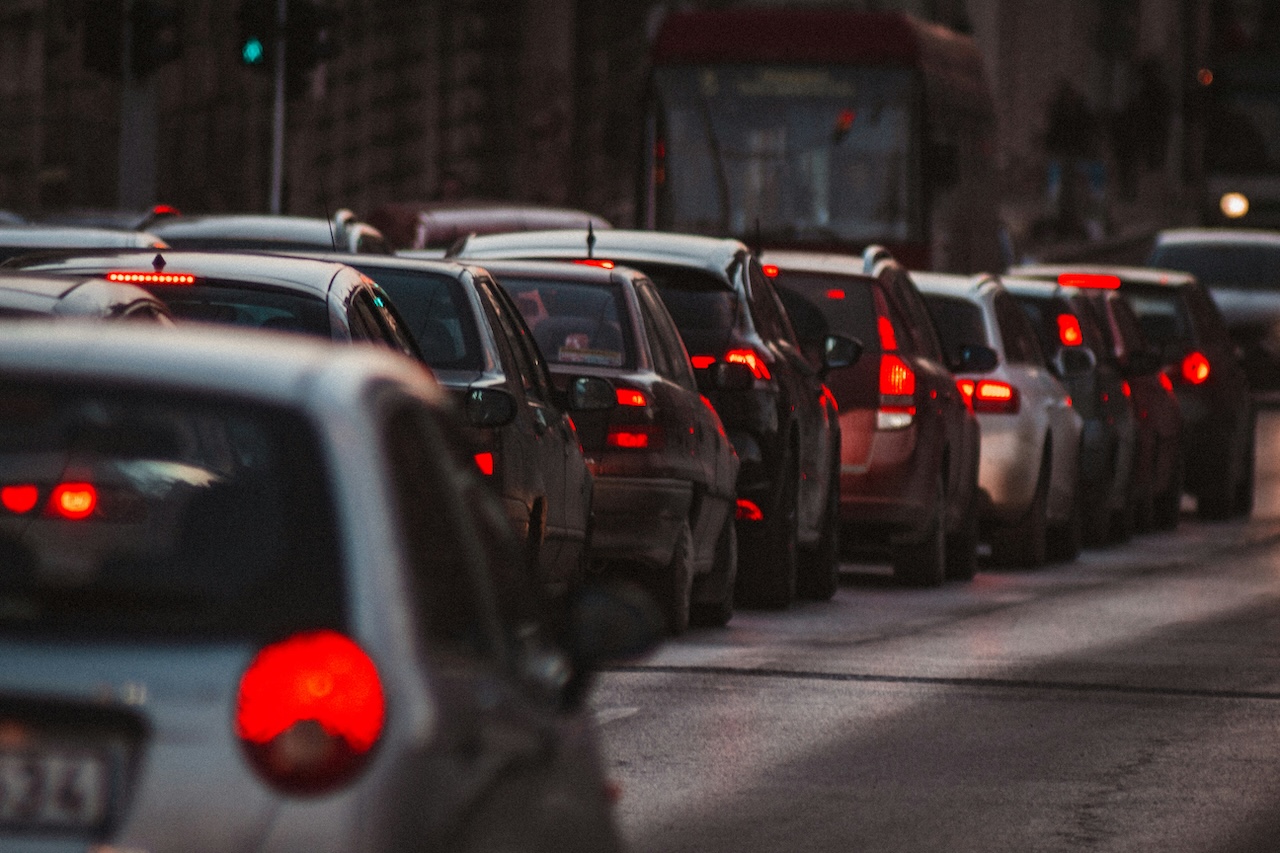
Farmers in multiple Mexican states are protesting a proposed Water Law reform, leading to road blockades and potential further disruptions in Jalisco.
This Wednesday, farmers from at least seven states —Aguascalientes, Chihuahua, Jalisco, Tlaxcala, Puebla, Veracruz, and Zacatecas— resumed road, customs, and key regional connectivity blockades after their demands were not incorporated into the proposed Water Law reform bill being studied by the Chamber of Deputies. The agricultural sector asserts that the reform excludes fundamental elements for livestock farming, the preservation of their acquired rights, and legal certainty regarding water usage. The response came in the form of simultaneous demonstrations across various parts of the country.
Prior to the bill’s vote, producers had already warned that if Congress proceeded without consulting all sectors, there would be new
, new convoys, and potential prolonged closures. Initial reports indicate that dissatisfaction erupted on strategic highways crucial for commercial exchange in the central and northern regions of the country, and mobilizations continue to grow hours before the key session in San Lázaro begins.
Convoys, Road Closures, and Customs Presence: How the National Protest is Progressing
Tension escalated from midday this Tuesday when the Agricultural Union of Puebla, Veracruz, and Tlaxcala activated the Grand Water Tractor Convoy, a journey from Perote towards Mexico City to demand that legislative discussion be halted until their proposals are incorporated.
By the end of the day, Federal Roads and Bridges (Capufe) confirmed blockades on: -Puebla–Orizaba Highway, km 185 – blocked in both directions since 6:00 PM. -Zacatecas – intermittent closures for the second consecutive day on the following sections: -Cd. Cuauhtémoc–Osiris Junction Highway -Zacatecas–Durango -Guadalajara–Zacatecas -Aguascalientes–Zacatecas -Partial reopenings: two of these points were reopened at 6:09 PM and 6:31 PM. -Chihuahua – momentary blockades at the Jerónimo customs office and the Tornillo crossing; farmers threatened to resume border closures within hours.
Among the most visible leaders, Jorge Gutiérrez, from United Farmers of Chihuahua, warned from the Chamber of Deputies that the mobilizations are now national: “There will be demonstrations, there will be demonstrations… they will bring the tractors in case our legislators want to take away our right to work.”
Gutiérrez added that, after meeting with the Water Resources Commission, they concluded that “it is an imposed law with no room for discussion.” His stance anticipates that pressure will continue if the bill proceeds without modifications.
What are the Farmers Demanding?
Although each region has specific needs, the sector agreed on four points they consider fundamental: -Full recognition of livestock farming rights within the concession framework. -Public investment for water recovery and infrastructure modernization. -Allow the transfer of rights already protected by concessions and allocations. -Dialogue prior to the bill’s approval with genuine producer participation.
Meanwhile, the federal government maintains that the reform seeks to guarantee access to water as a human right and reclaim state control over national waters.
The Government’s Stance: “Water Ceases to Be a Commodity”
During the morning conference on November 26, Conagua director Efraín Morales López explained that the new Water Law aims to: -Reclaim state control over the resource. -Prevent its commodification. -Establish sustainability criteria. -Transform water into a human right guaranteed by law.
“With this new Law, water ceases to be viewed as a commodity and is recognized as a human right,” affirmed Morales López.
Mobilizations Towards Mexico City: Toll Booths and Avenues That Could Be Affected
The Secretariat of Citizen Security of Mexico City reported that this Wednesday, December 3, a convoy of producers is expected to arrive heading towards Congress. The route will affect toll booths, highways, and streets near San Lázaro.
Toll Booths and Highways with Potential Blockades
-Peñón–Texcoco Highway – entry point for the agricultural convoy. -Circuito Exterior Mexiquense – saturation due to diversions towards the east. -Mexico–Puebla – slow traffic due to heavy vehicle entry. -Mexico–Querétaro and Mexico–Toluca – secondary impacts due to diversions.
Streets Near the Chamber of Deputies with Anticipated Closures
-Congreso de la Unión -Eduardo Molina (between San Lázaro and Río Consulado) -Fray Servando Teresa de Mier -Sidar y Rovirosa -Streets of El Parque neighborhood Authorities estimate partial closures in the eastern zone of Venustiano Carranza.
Recommended Alternative Routes
-Eje 3 Oriente (Francisco del Paso y Troncoso) -Río Consulado -Viaducto Miguel Alemán -Ignacio Zaragoza -Use of public transport: Metro San Lázaro and Metro Eduardo Molina
Complete List: Highways Closed or Affected This Wednesday, December 3
Official reports confirmed closures and blockades in various states. These are the routes affected during the morning: -Guadalajara–Colima Highway – closure in several sections. -La Barca–Atotonilco Highway – interrupted traffic. -Irapuato–Guadalajara Highway – total closure at one point. -Guadalajara South Bypass – traffic halted towards Colima. -Puebla–Orizaba Highway – intermittent disruptions. -Raudales de Malpaso–El Bellote Highway – total closure. -La Tinaja–Cosoleacaque Highway – partial closure. -Ciudad Victoria–Matamoros Highway – total interruption. -Acatzingo–Ciudad Mendoza Highway – blockade towards the Orizaba region. -Mexico–Puebla Highway – closure at one of the accesses. -Isla–Acayucan Highway – blockade in both directions.
What’s Happening in Jalisco?
In Jalisco, the most significant blockades were recorded on: -Guadalajara–Colima Highway -La Barca–Atotonilco Free Highway -Irapuato–Guadalajara Free Highway The presence of agricultural machinery and tractors maintains tension on sections vital for freight transport and commercial activities in the region.
Will There Be New Blockades in Jalisco?
All indications suggest yes. Sources from agricultural organizations in the state have indicated that if the bill proceeds without modifications, closures will resume this Thursday, especially on sections connecting Guadalajara with Colima and El Bajío.
Jalisco producers have also insisted that the agricultural sector cannot be subjected to a law that, in their opinion, eliminates its operational certainty. If the figure of rights transfer is not incorporated and the livestock use of water is not fully recognized, they will maintain pressure.
Jalisco is also a strategic point due to its agro-industrial weight and its connection to the Port of Manzanillo, a key hub for international trade. Any prolonged blockade would have immediate economic repercussions.
You might also read:
The post
first appeared on Líder Empresarial.
More Articles

How UANL Will Integrate Artificial Intelligence into Its Educational Programs
Jul 15, 2026
Aguascalientes Ranks Fifth in Grape Production in Mexico, Confirms Viticulture Council
Jul 27, 2026

Japanese Companies in Mexico: Why the Country Remains Strategic for Investment
Jul 14, 2026

DIVEX B2B 2026: León to Host Business Gathering Featuring Over 600 Scheduled Meetings
Jul 29, 2026

Cemex Reports Strong Second Quarter 2026 Performance Driven by Operational Efficiency and Growth
Jul 27, 2026

Electric Vehicles or Specialized Supply Chain? Nuevo León Accelerates on Both Fronts
Jul 6, 2026