
Aguascalientes: Challenges to Consolidate its Electromobility Network
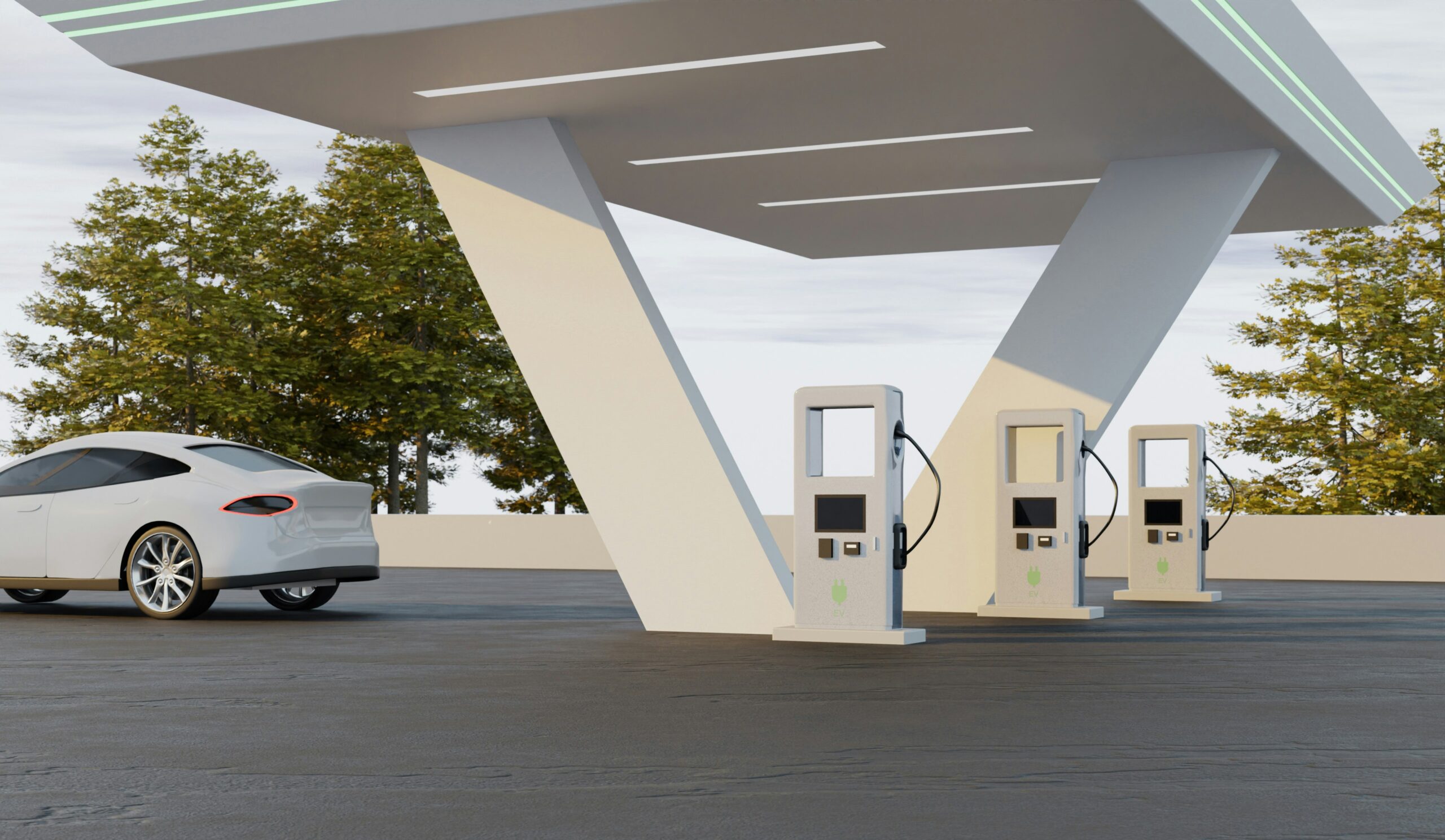
Aguascalientes faces infrastructure, electrical capacity, and regulatory hurdles in expanding its electromobility network, but progresses with technical training and private investment.
Electromobility in Mexico is progressing slowly amidst structural challenges and technological opportunities. The country faces limited electrical capacity, insufficient charging infrastructure, and a significant lag in energy investment, warned Hugo Muñoz Osorio, president of the Association of Electrical Works Contractors of Aguascalientes. During a press conference held by the Business Coordinating Council of Aguascalientes, the expert indicated that the national electrical system is not yet prepared for a massive adoption of electric vehicles, although he acknowledged gradual progress in technical training and the installation of charging points in various regions.
The Role of CFE
Muñoz Osorio noted that the Federal Electricity Commission (CFE) once again centralizes all operational and distribution functions. However, this centralization slows the expansion of the electrical grid, creates technical bottlenecks, and limits investment in transmission and generation. “Previously, there were many superintendents, and each resolved regional issues. Today, everything goes through a single channel, and problems take longer to resolve. Electrical infrastructure remains lagging, and power outages demonstrate this,” stated the leader. The National Energy Control Center (CENACE), Hugo Osorio added, continues to implement scheduled load shedding to prevent the collapse of substations during peak demand. He asserted that this practice could recur with electromobility if generation and transmission levels are not reinforced.
Technical Advancements and Certification Requirements
Muñoz explained that domestic electric chargers require up to 40 amperes, whereas most homes operate with 20 or 30-ampere circuit breakers. This technical discrepancy increases the risk of overload and electrical failures if installations are not professionally adapted. “If an electrical contractor installs without proper assessment, the meter and circuit breaker will burn out. CFE requires certification to install electric chargers. Only with engineering expertise and training can we prevent domestic system collapses,” he emphasized. Tariff 2, established by CFE, mandates certified installers for charger connections, under a scheme requiring two meters per property. Although this increases initial costs, it ensures regulatory compliance and prevents system overloads.
Aguascalientes Promotes Technical Readiness
In Aguascalientes, the transition to electromobility is advancing through a coordinated strategy involving technical training, university development, and private investment. The Association of Electrical Works Contractors is collaborating with the College of Engineers and CFE Central-Western Division on electrical infrastructure planning and the training of certified specialists for charging installations. “In Aguascalientes, we are already working with the Federal Commission to resolve electrical issues. We aim to train certified technicians and plan safe charging points in urban areas,” explained Hugo Muñoz Osorio, president of the Association. The leader highlighted that universities such as the Technological University, the Polytechnic University, and the Aguascalientes Institute of Technology offer programs in electromobility and renewable energy, with practical training focused on smart grid installations and charging systems. The state is developing a registry of electric charging stations, which will report their location and capacity to the national system, and promotes the installation of charging points at gas stations, parking lots, and shopping centers. Through these actions, Aguascalientes seeks to consolidate its position as a regional benchmark in electrical infrastructure and sustainable mobility, integrating public, private, and academic efforts. The state also promotes university education in electrical engineering and electromobility, with specialized degree programs and workshops. Furthermore, a state registry of charging stations is planned, along with the incorporation of charging points in gas stations, shopping centers, and public parking lots, under national safety standards.
Mexico’s Global Challenge: Investment and Transition
In response to a question regarding Mexico’s capacity to meet electromobility needs, Muñoz acknowledged that the country is progressing more slowly than nations like the United States or Spain, but in an orderly and progressive manner. “Yes, I believe it has been done gradually. Technology, support, and certification are already available. Mexico will not electrify 100%, but it is time to join the change and reduce pollution. We must meet the commitment of zero carbon emissions,” he affirmed. The leader emphasized that electricity generation remains the biggest challenge. Transmission lines exist, but capacity and funding are lacking. Even so, the federal government has begun to once again invite private investment, which will allow for the diversification of energy infrastructure. “Investment is needed, but the government is once again inviting private entities. They changed the name, but they will invest again. Only then will we move forward, with business support and institutional backing,” he noted. Muñoz highlighted that in Aguascalientes, the private sector is already actively participating in energy projects promoted by the
, which helps compensate for the lack of federal liquidity and accelerates the installation of new infrastructure. Finally, he warned that even developed countries have not yet achieved a massive charging network. “In Germany, France, or Spain, there are few public chargers; they are still far from the ideal model. So are we, but we are at the right moment to advance,” he stressed. The article
first appeared in Líder Empresarial.
More Articles
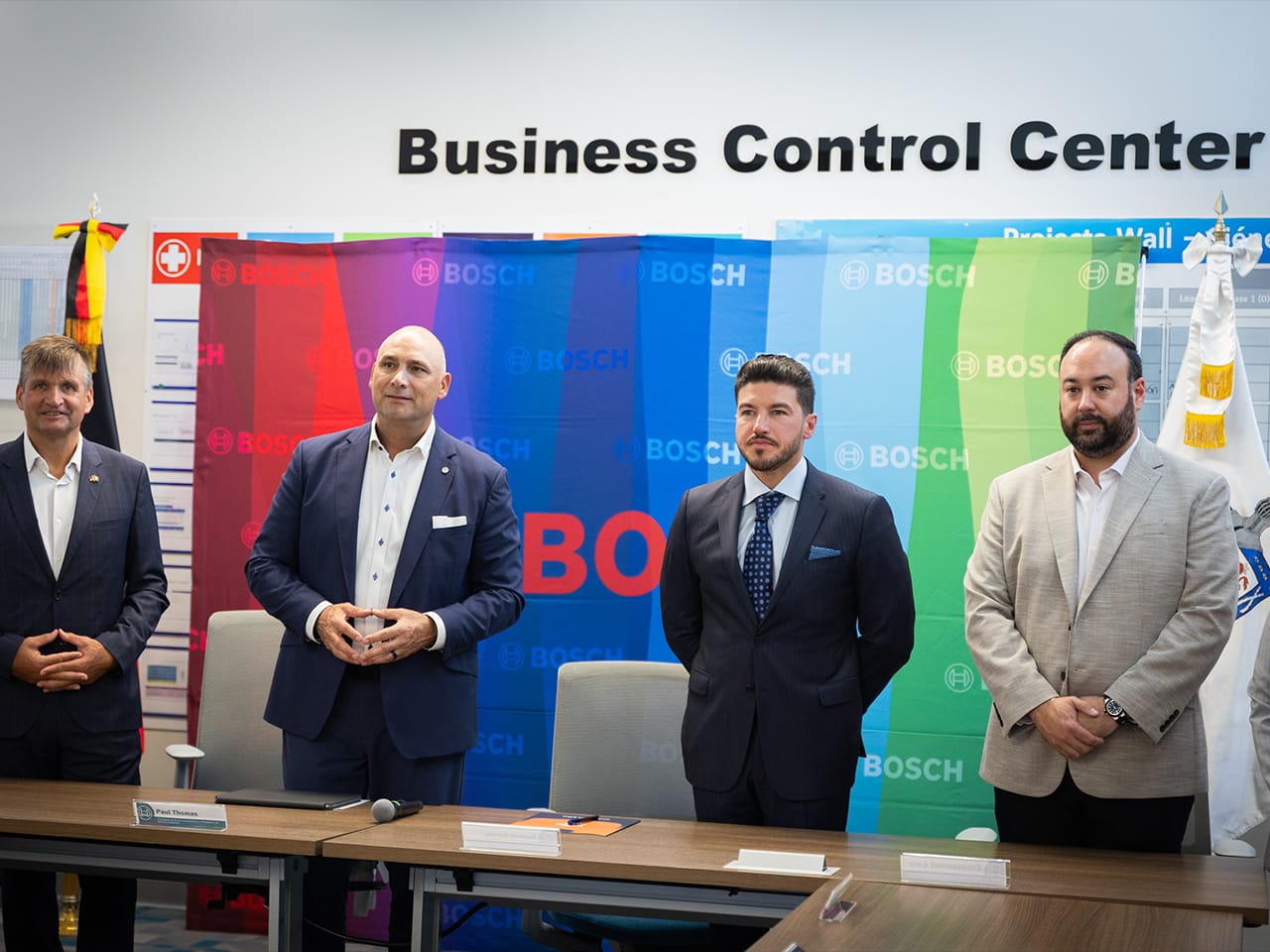
$300 Million and a New Plant: Bosch's Investment Details in Nuevo León
Aug 19, 2026

Top 5 Afores in Jalisco for 2026: Which is Best for Your Retirement?
Aug 27, 2026

What Does the Decline in Nuevo León's Mining Production in June Reveal?
Aug 20, 2026
2027 Economic Package: Coparmex Jalisco's Proposal to Drive State Growth
Sep 8, 2026

Oil Price Continues to Rise, Impacting Global Economy
Aug 20, 2026

San Luis Potosí Faces Sharp Increase in Business Delinquency in 2026
Sep 2, 2026