
China Imposes Tariffs on Mexican Pecans: Production Volume and Leading States Examined
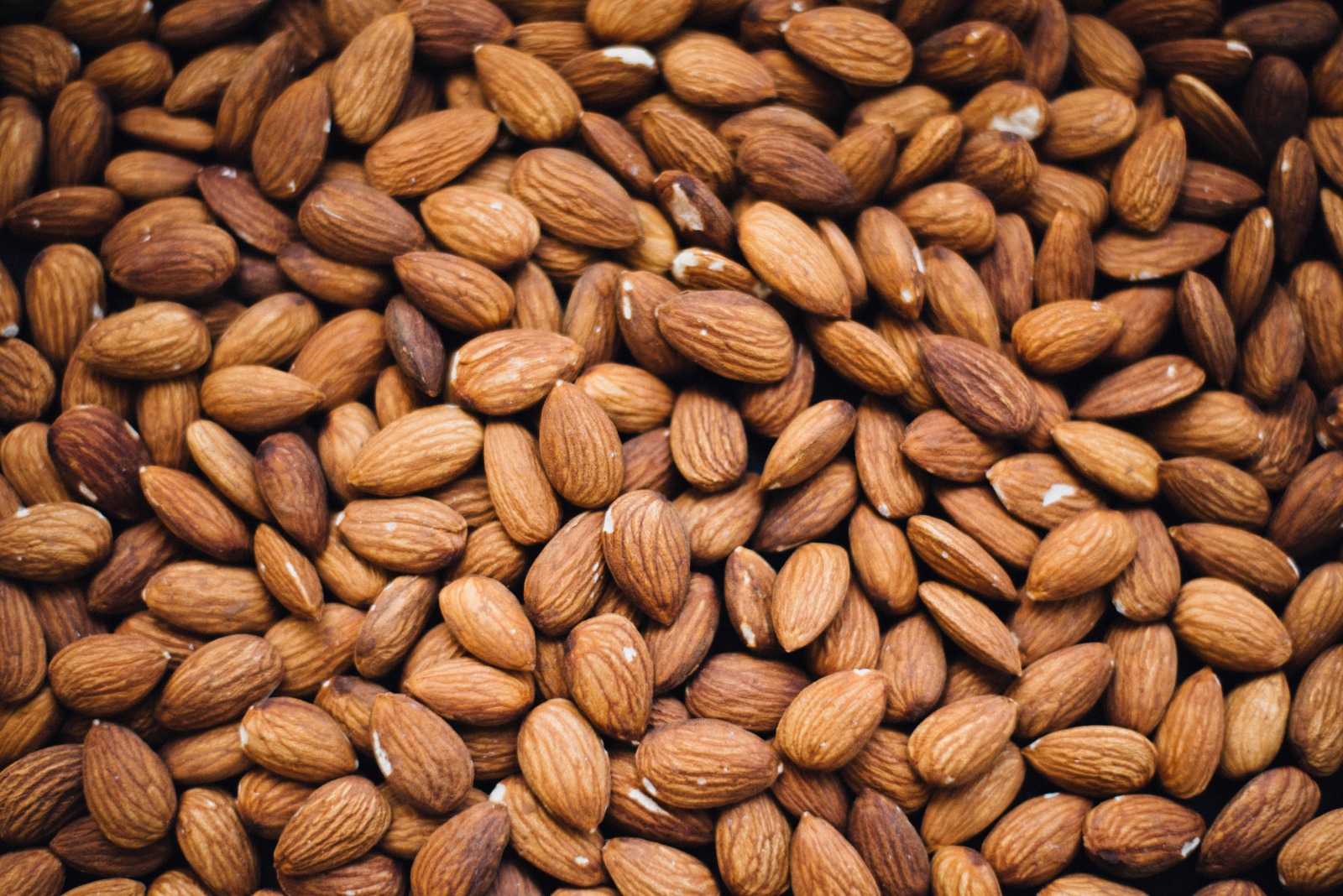
China has implemented provisional tariffs on Mexican pecan imports, impacting a key agricultural export. This analysis explores production data and leading states in Mexico.
China has imposed
provisional tariffs ranging from 17.8% to 51.6% on pecan imports originating from Mexico. This decision affects one of Mexico’s crops with a significant international market presence. The measure, effective August 11th, highlights an industry where Mexico ranks fifth globally among 94 producing countries, contributing 4.4% to the world’s pecan production.
In 2024, Mexican production approached 170,000 tons, generating a value exceeding 12.6 billion pesos. However, the industry is highly concentrated, with Chihuahua producing approximately six out of every ten tons.
How Much Pecan Does Mexico Produce?
Mexico produced 169,815 tons of pecans in 2024, a 1.2% increase compared to 2023, according to agricultural outlook indicators. To achieve this volume, approximately 167,000 hectares were planted, while the harvested area reached 127,000 hectares, a 5.4% increase year-over-year. The national yield was 1.34 tons per hectare, following a 4% annual decrease.
Key indicators for the crop in 2024 were:
| Indicator | Result |
|---|---|
| Production | 169,815 tons |
| Annual Variation | +1.2% |
| Planted Area | 167,000 ha |
| Harvested Area | 127,000 ha |
| Yield | 1.34 ton/ha |
| Production Value | 12,660 mdp |
| Average Rural Price | 74,553 pesos/ton |
While the volume growth was moderate, the economic performance was more substantial. The production value increased by 13.7% annually, and the Average Rural Price advanced by 12.3%. Thus, the value generated by Mexican pecans reached 12.66 billion pesos during the year.
Chihuahua Produces 61% of Mexican Pecans
Pecan production in Mexico exhibits significant geographic concentration. Chihuahua generated 103,272 tons in 2024, equivalent to about 61% of the national volume. Furthermore, the state accounted for 62.1% of the national crop value, with an estimated economic impact of 7.865 billion pesos. Pecan orchards in Chihuahua cover approximately 105,000 hectares spread across 40 municipalities. Jiménez, Camargo, Chihuahua, Aldama, Buenaventura, and Saucillo account for just over half of the state’s harvests.
Leading Pecan Producing States in Mexico
| Rank | Entity | 2024 Production | Annual Variation |
|---|---|---|---|
| 1 | Chihuahua | 103,272 tons | +3.1% |
| 2 | Sonora | 25,206 tons | -8.6% |
| 3 | Coahuila | 20,486 tons | +12.2% |
| 4 | Durango | 11,023 tons | -2.4% |
| 5 | Hidalgo | 2,613 tons | -1.2% |
| 6 | Nuevo León | 2,366 tons | -29.5% |
| 7 | San Luis Potosí | 990 tons | +3.1% |
| 8 | Puebla | 781 tons | +1.8% |
| 9 | Aguascalientes | 681 tons | -0.05% |
| 10 | Zacatecas | 440 tons | +71.0% |
Following Chihuahua, Sonora and Coahuila complete the top three. Together, these three states also account for 90% of the national production value. San Luis Potosí ranks seventh nationally with 990 tons, while Aguascalientes is ninth with 681 tons.
Mexico is the Fifth Largest Global Pecan Producer
The significance of this crop extends beyond the domestic market. Mexico contributes 4.4% of global production, positioning itself as the fifth largest producer among 94 countries. China leads global production, ahead of the United States and Iran. China also records yields close to 10 tons per hectare, considerably higher than the 1.34 tons per hectare observed in Mexico during 2024.
Long-term trends also present a challenge for Mexican productivity. Between 2015 and 2024, production volume grew at an average annual rate of 3.7%, while the harvested area increased by 5.4% annually. In contrast, yields declined at an average rate of 1.7%.
How Much Pecan Does Mexico Export, and What Are Its Main Markets?
Foreign trade explains the relevance of the new Chinese tariffs for the industry. The United States is the primary destination for Mexican pecans. In 2024, it received 20,313 tons, valued at $119 million. China ranked second among reported markets, followed by Germany, the Netherlands, and the United Kingdom.
| Destination | 2024 Volume | Value |
|---|---|---|
| United States | 20,313 ton | 119 million USD |
| China | 6,609 ton | 27.6 million USD |
| Germany | 1,363 ton | 13.5 million USD |
| Netherlands | 1,030 ton | 10.7 million USD |
| United Kingdom | 553 ton | 6.1 million USD |
However, there is a discrepancy in the available data for the Chinese market. The foreign trade table reports $27.6 million in exports to China, while information cited by the Ministry of Economy places direct exports of Mexican pecans to that country at $21.9 million in 2024. This difference may be due to variations in product scope, commercial classifications, or the methodology used in each record, so both figures should be distinguished. Furthermore, some pecans produced in Mexico may reach the Chinese market via the United States, either for processing or subsequent re-export. Therefore, direct sales do not necessarily reflect the full commercial exposure of the Mexican sector to China.
What Do China’s Tariffs Mean for Mexican Pecans?
The provisional tariffs of 17.8% to 51.6% increase the entry cost of Mexican pecans to what is currently one of its main markets outside North America. This decision is particularly significant because China represents a diversification opportunity against the dominance of the United States, which remains, by a wide margin, the largest buyer of Mexican pecans. Additionally, the United States is also Mexico’s largest external supplier; in 2024, Mexico imported 18,576 tons from that market for $52.9 million.
For now, the duties announced by China are provisional. This opens a period for Mexico to present technical arguments before Chinese authorities determine whether the measures will be made permanent. For an industry that produced nearly 170,000 tons, generated over 12.66 billion pesos, and places Mexico among the top five global producers, the outcome will be particularly relevant for the states that concentrate national supply and for companies that had found in Asia an alternative to expand their markets.
The entry
appears first on Líder Empresarial.
More Articles
Querétaro's Agri-Exports Face New Trade Barriers
Aug 31, 2026

San Luis Potosí's Hybrid Vehicle Fleet Grows 56%, Leading Bajío Corridor
Sep 24, 2026

Train Would Position San Luis Potosí as a Key Logistics Hub in Mexico
Sep 7, 2026

40-Hour Workweek in Mexico: Lessons from Spain, Colombia, the US, and Chile
Sep 8, 2026

CLAUGTO Outlines Five Key Principles for Implementing Artificial Intelligence in Industry
Sep 22, 2026

Most In-Demand Medical Specialties in Querétaro
Sep 22, 2026