
José Cuervo Factory Reopens in Tequila: Why Did It Close?
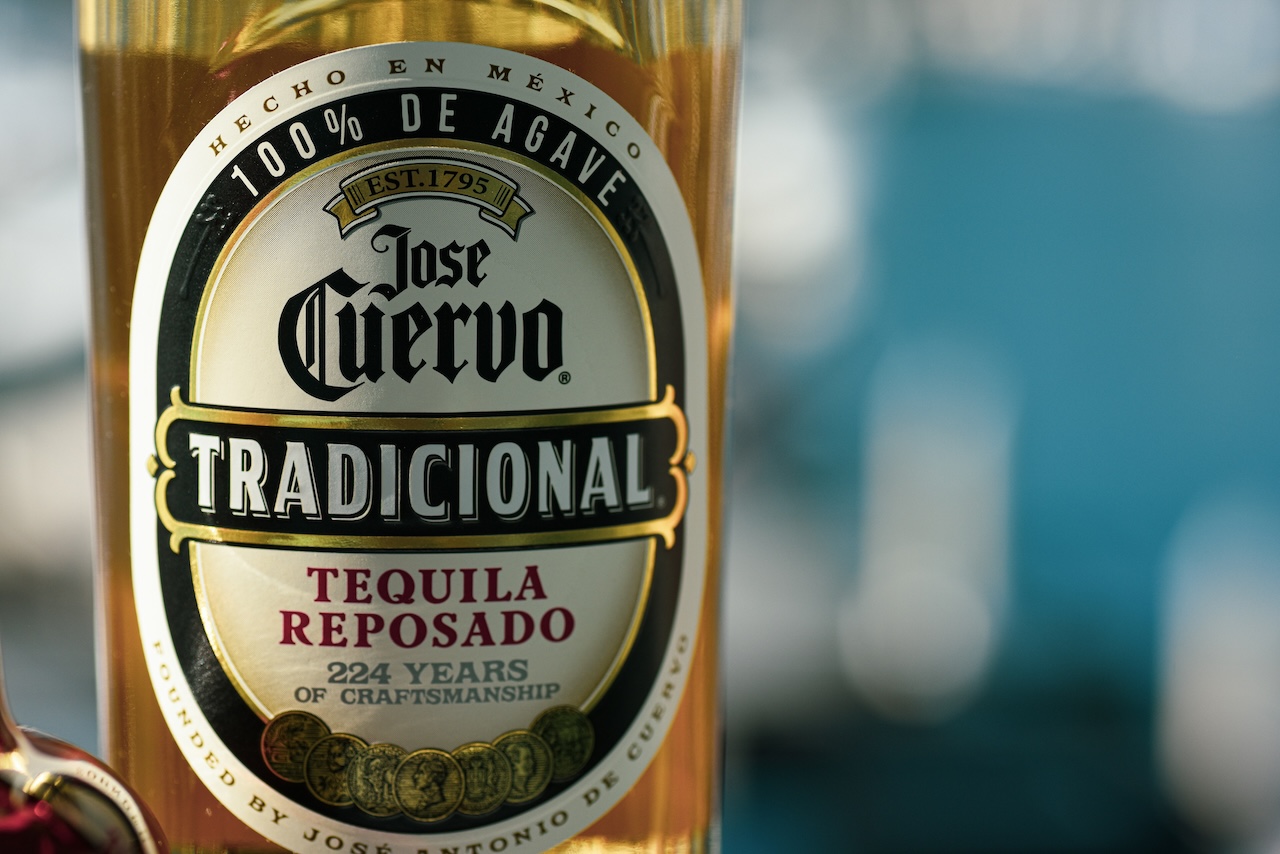
José Cuervo's Tequila 1800 factory briefly closed due to fiscal disputes with the local government but reopened after mediation and an agreement was reached.
Recently, José Cuervo’s Tequila 1800 factory in Jalisco, one of the sector’s most iconic complexes, was temporarily closed. However, following a meeting at the Government Palace, and with the mediation of the Jalisco State Government and the Federal Government, the company and the Tequila Municipal Council reached an agreement that allowed the plant to reopen and de-escalate the conflict. The dispute began amidst accusations of fiscal debts and questions regarding the legality of municipal charges. According to the Tequila Municipal Council, led by Diego Rivera Navarro, the company owed property tax payments, which the municipality estimated at approximately 60 million Mexican pesos. Furthermore, the municipal council indicated that construction, urbanization, and operational licenses, essential for the factory to continue operating normally, were not in order. Based on this argument, the municipal government closed the plant of
and secured the facilities with the support of local police. For hours, industrial activity remained paralyzed. From the municipal perspective, the debt justified the action. However, for José Cuervo, the figure was completely disproportionate: “overvalued,” as stated by the General Secretary of Government, Salvador Zamora. The company maintained that the amount did not correspond to historical cadastral values or to payments regularly made in previous years. At the conclusion of the negotiation, General Secretary of Government, Salvador Zamora, affirmed that dialogue helped prevent a dangerous escalation: “Through dialogue, consensus-building, and technical input from both parties, we were able to reach an agreement to ensure the Cuervo company can operate as it should. That employees have certainty that this company will continue to function.” For his part, Mayor Diego Rivera Navarro published a video on social media, expressing gratitude for the willingness of the company and the state and federal governments. He confirmed there: “The outstanding payments will now be made to the Treasury.”
Explosion Risk in José Cuervo Factory Boilers
As soon as municipal authorities ordered the cessation of plant operations, Inspection and Surveillance personnel attempted to shut down the boilers, machinery that maintains industrial thermal processes that cannot be abruptly halted. What appeared to be an administrative operation escalated into a public safety issue. Faced with the danger, State Civil Protection and the State Police intervened, took control of the site, and warned that the municipal maneuver jeopardized:
- The stability of the facilities
- The integrity of personnel
- The safety of nearby residents
Key Agreements for José Cuervo Factory Reopening
This Thursday, at a negotiation table in the Government Palace, representatives from José Cuervo, Mayor Diego Rivera Navarro, General Secretary of Government Salvador Zamora, along with federal officials from the Ministry of Interior (Secretaría de Gobernación) and authorities from the Public Property Registry, convened. The meeting concluded with three core agreements:
- The municipality will update cadastral information:
- Clearly define the urban area of the factory’s land
- Update cadastral information
- Issue a legal resolution that provides certainty to both parties
- José Cuervo will fulfill its fiscal obligations The company will pay:
- The updated property tax
- The corresponding urbanization and operational licenses All based on the new cadastral information that the municipality is obligated to clarify.
- The State Government will assist with procedures To prevent new discrepancies, the Jalisco State Government will support:
- Management before the Public Property Registry
- Technical review of the valuation
- Supervision of administrative compliance The objective is for the factory to operate without legal ambiguities and for the municipality to collect revenue correctly.
You may also like to read:
The post
first appeared on Líder Empresarial.
More Articles

Beyond Pretense: Women in Industry (Part II)
Mar 18, 2026
Golden Pension Reform Approved by 18 State Congresses: What's Next?
Mar 31, 2026

E-commerce in Mexico Exceeds 67 Million Buyers, Raising Demands on Technological Infrastructure
Mar 24, 2026

Why Nuevo León is Key to Mexico's Exports
Mar 31, 2026

Nissan Leads Light Vehicle Sales in Mexico; Production and Exports Decline
Mar 9, 2026

Foreign Direct Investment Decelerates in Aguascalientes by End of 2025
Mar 20, 2026