
Mexico City Bans Display of Cats and Dogs in Cages or Display Cases: What You Need to Know
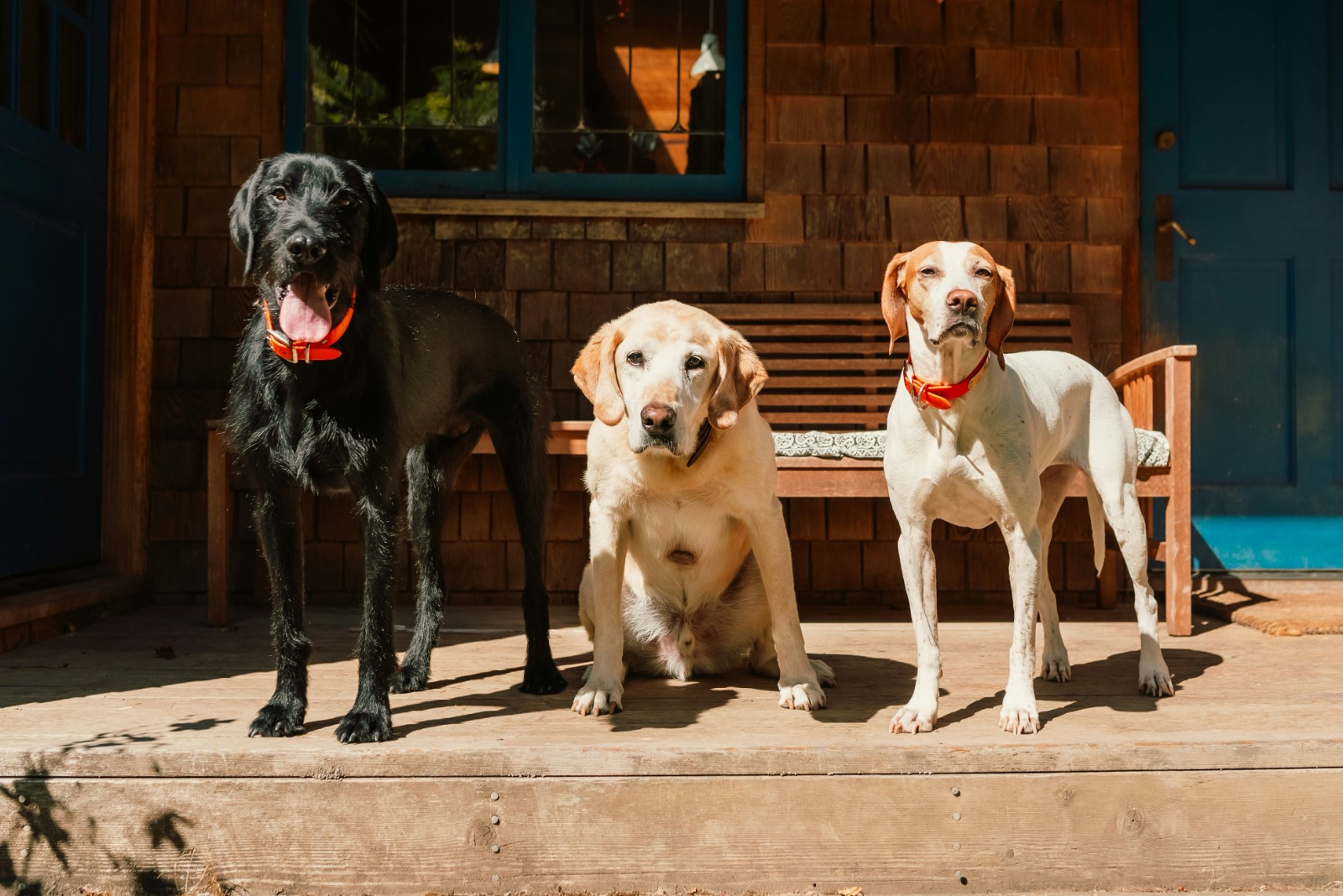
Mexico City Congress approves reform prohibiting the display of cats and dogs for sale in restrictive enclosures, aiming to enhance animal welfare and regulate commercial practices.
The Mexico City Congress approved a reform prohibiting the physical display of dogs and cats for sale in cages, display cases, or other spaces that restrict their movement or natural expression. This measure aims to enhance animal welfare, combat irregular commercial practices, and establish stricter rules for establishments involved in the sale or adoption of companion animals.
What Exactly is Prohibited?
The reform prevents dogs and cats from being displayed to the public under conditions that restrict their mobility or natural behavior, such as display cases or cages. The objective is to prevent stress, anxiety, fear, and behavioral alterations, effects supported by scientific evidence and international animal welfare criteria.
The initiative was promoted by Congressman Manuel Talayero Pariente (PVEM) and supported by members of his parliamentary group, with a ruling from the Animal Welfare Commission.
Key Changes in Returns and Animal Welfare
An amendment to Article 27 bis was also approved, presented by Congressman Miguel Ángel Macedo Escartín (MORENA), which stipulates that if an animal is returned within the first 72 hours after its acquisition, the establishment must verify that it is in conditions consistent with its welfare. This aims to prevent businesses from receiving injured, neglected, or mistreated animals.
Impact on Commercialization
According to legislator Talayero Pariente, these regulatory changes will curb irregular breeders, as well as clandestine operations, illegal trafficking, and irresponsible breeding of companion animals. For the formal sector, this entails adapting processes, facilities, and protocols in accordance with the guidelines to be issued by authorities.
Fines: Amounts and Sanctioning Authority
The Environmental and Land Use Attorney’s Office (PAOT) will be responsible for supervision and imposing sanctions. Fines range from 150 to 3,000 Units of Measure and Actualization (UMA), equivalent to between 16,900 and 339,000 pesos, according to the current UMA value. Sanctions apply to commercial establishments, shelters, rescue centers, and any space involved in the commercialization or adoption of companion animals.
When Does It Take Effect?
The prohibition will take effect 365 calendar days after its publication in the Official Gazette of Mexico City. During this transition period, authorities must issue technical guidelines on:
- Minimum facility characteristics
- Holding areas
- Handling conditions
- Animal delivery protocols
What Businesses Must Consider
For businesses and organizations, the transition year will be crucial for:
- Redesigning spaces and processes
- Training staff in animal handling and welfare
- Aligning contracts, delivery protocols, and returns
- Avoiding sanctions and reputational risks
The reform marks a structural change in how animal commercialization and adoption are promoted in Mexico City, with regulatory and operational implications that the sector must anticipate.
More Articles

Which Mexican Company Produces Steel with the Lowest Emissions in North America?
Mar 26, 2026

Querétaro Boosts its IMMEX Industry: Over 119,000 Jobs
Mar 24, 2026

Foreign Direct Investment Decelerates in Aguascalientes by End of 2025
Mar 20, 2026

E-commerce in Mexico Exceeds 67 Million Buyers, Raising Demands on Technological Infrastructure
Mar 24, 2026

What Challenges Does Jalisco's Economy Face in 2026?
Mar 20, 2026

Does Market Volatility Affect Today's Dollar Price? Here's How It Trades
Mar 24, 2026