
Pemex: Debt Reduced and 2026 Investment Announced
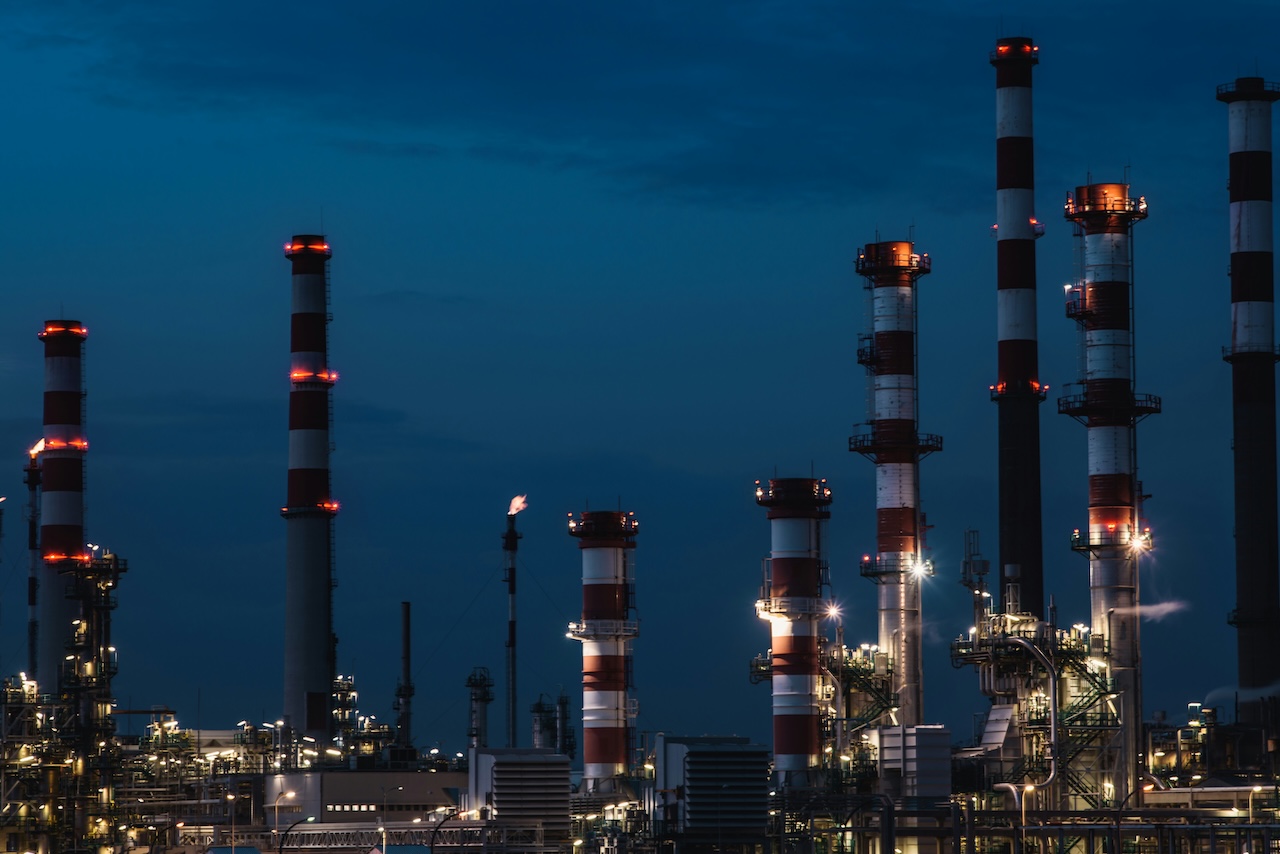
Pemex reduces its financial debt to an 11-year low and unveils an ambitious investment program for 2026 to curb oil decline, strengthen refining, and enhance operational sustainability.
Petróleos Mexicanos (Pemex) is experiencing one of its most significant financial periods in the last decade. In 2025, the state-owned productive enterprise successfully reduced its financial debt to an 11-year low, while simultaneously announcing an ambitious investment program for 2026 aimed at curbing oil decline, strengthening refining operations, and enhancing operational sustainability. In this regard, Pemex is prioritizing financial discipline, operational efficiency, and enhanced institutional coordination as key pillars to regain market credibility and secure its strategic role in the nation’s energy security.
Pemex Debt: Financial Discipline and International Recognition
During the presentation of the progress of Pemex’s Strengthening Plan 2025-2035, the company’s CEO, Víctor Rodríguez Padilla, reported that Pemex’s financial debt closed 2025 at $84.5 billion, a significant reduction compared to the $105.8 billion recorded at the end of Enrique Peña Nieto’s administration.
This adjustment represents a $20 billion decrease compared to 2018, equivalent to a reduction exceeding 20%, positioning the
at its lowest debt level in over a decade.
Rodríguez Padilla emphasized that this outcome is not coincidental but rather the result of a comprehensive strategy based on: -Rigorous financial planning -Discipline in resource management -Increased operational efficiency -Close coordination with SHCP, Sener, and Banobras
“This performance reflects a structural change in Pemex’s management, moving away from the accelerated debt growth that characterized the neoliberal period,” stated the executive.
It is worth noting that between 2000 and 2018, Pemex’s indebtedness grew by 129%, making it the most indebted oil company globally, according to official figures.
Credit Rating Improvement: Positive Signal for Markets
One of the most significant effects of this strategy has been the recognition by leading rating agencies. Moody’s, Fitch Ratings, and Standard & Poor’s upgraded Pemex’s credit rating, an occurrence not seen in 11 years.
According to Rodríguez Padilla, this endorsement sends a strong message to investors: “Pemex is strengthening its credibility and financial sustainability in both the short and long term.”
Similarly, Luz Elena González Escobar, Secretary of Energy, emphasized that this improvement reflects a profound shift in the international perception of the company, which for years was viewed as a structural financial risk.
Supplier Payments: A Key Factor for Operational Stability
Another pillar of financial strengthening has been addressing outstanding payments to suppliers, a critical issue for Pemex’s daily operations and for thousands of companies linked to its production chain.
In September 2025, the oil company implemented the Investment Financing Program, through which 390 billion pesos in outstanding invoices were settled.
According to the company, the payment covers virtually all arrears reported in 2025, and the remaining balance from 2024 will be settled in February. Furthermore, operations in various regions of the country have been normalized.
This effort allowed for the recovery of private sector confidence, the reactivation of production chains, and the reduction of financial pressures on strategic suppliers.
Production and Refining: Stabilization and Increased Added Value
Operationally, Pemex reported progress in both production and refining. During 2025, the production of liquid hydrocarbons (crude and condensates) showed signs of stabilization, with an annual increase exceeding 122 thousand barrels per day.
In December, national production reached 1.8 million barrels per day, a level that, while still facing structural challenges, marks a turning point after years of sustained decline.
Pemex Investment in 2026: 425 Billion Pesos
Pemex announced a total investment of 425 billion pesos for 2026, representing a 34% increase compared to 2025 expenditures. 81% of these resources, totaling 345 billion pesos, will be allocated to exploration and production, a figure 35.8% higher than the previous year.
Priority fields include: -Trion: 33 billion pesos -Zama: 29 billion pesos -Maloob: 17 billion pesos
According to Pemex’s management, these investments are focused on strategic areas that aim to ensure production levels, improve technical efficiency, and guarantee medium-to-long-term sustainability.
Refining and Modernization: Goals Towards 2027
Concurrently, Pemex will continue the modernization of the Tula and Salina Cruz refineries, with the aim of completing the work by 2027. The goal is to achieve a crude processing capacity of 1.56 million barrels per day across the refining system.
This objective will be achievable through a combination of: -Public investment -Private participation -Major maintenance -Improved utilization of residues
You can also read:
The post
first appeared on Líder Empresarial.
More Articles

Dollar and Oil Prices Surge Due to Middle East Conflict: How it Impacts Jalisco
Mar 9, 2026

US Dollar Price Rises Today, March 3rd, Amid Middle East Crisis
Mar 3, 2026
How Does the Closure of the Strait of Hormuz Impact the Global Economy?
Mar 3, 2026
How Much Did Mexico's GDP Grow in 2025? Mexican Economy Exceeds Expectations
Feb 23, 2026

BMW Production in San Luis Potosí Falls Over 50% in First Bimester of 2026
Mar 9, 2026

Apple Unveils iPhone 17e: Features and Pricing in Mexico
Mar 2, 2026