
Mexico's Automotive Supply Chain Faces Critical Pressure from Electrification and New USMCA Rules
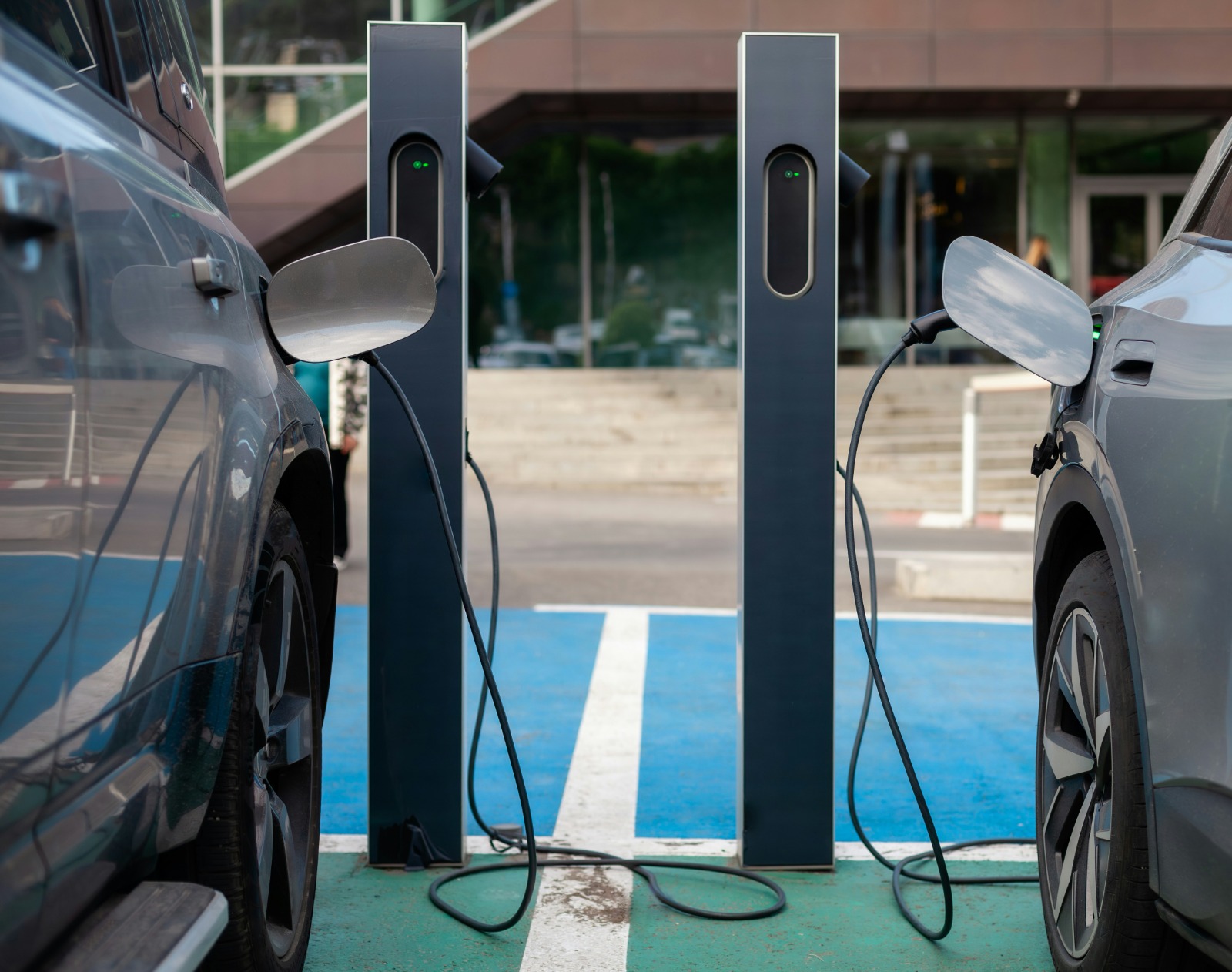
Mexico's automotive sector is navigating significant challenges due to the shift towards electric vehicles and evolving trade regulations, impacting local suppliers.
Mexico’s Automotive Supply Chain Faces Critical Pressure from Electrification and New USMCA Rules
The acceleration of electromobility in Mexico is not only transforming the consumer market but is also reconfiguring the automotive supply chain and increasing pressure on local suppliers. This technological shift necessitates a new industrial architecture: electrified vehicles require different components than internal combustion engines, such as batteries, electric motors, energy management systems, high-voltage connectors, and high-performance lightweight materials.
This process is occurring amidst growing financial pressure for suppliers. According to MUNDI, a company specializing in international trade financing, payment cycles in Mexico’s automotive industry can extend up to 180 days, limiting the investment capacity of small and medium-sized enterprises seeking to adapt to new technological requirements.
“Mexico already possesses the manufacturing capabilities, location, and talent to be an electrification hub for North America. However, this opportunity requires suppliers to invest in global certifications, new capabilities, and processes,” stated the company.
Adding to this transformation is the impact of the USMCA (United States-Mexico-Canada Agreement) review. The United States has proposed increasing the regional content requirement for vehicles from 75% to 82%, with at least half produced on U.S. soil, thereby intensifying the pressure to regionalize supply chains.
In parallel, automotive investment continues to concentrate in key industrial hubs. During the first quarter of 2026, the State of Mexico attracted $235 million in automotive investment, with 3 projects generating 2,500 jobs. Nuevo León, meanwhile, recorded $186.5 million with 12 active projects, solidifying its position as the epicenter of automotive nearshoring.
This regional dynamic reinforces the role of these entities as critical nodes in the new value chain, in a context where the demand for suppliers capable of scaling production and obtaining global certifications is increasingly high.
According to MUNDI, the reconfiguration of supply chains presents a historic opportunity for Mexican SMEs, especially in Tier 2 and Tier 3 levels, at a time when OEMs and Tier 1 suppliers are actively seeking to regionalize their supply chains.
“The clearest signal from the industry is regionalization. This represents a historic opportunity for Mexican suppliers,” the company noted.
first appears on Líder Empresarial.
More Articles

Banxico Raises Mexico Growth Forecast to 1.5%: What Changed?
Aug 27, 2026
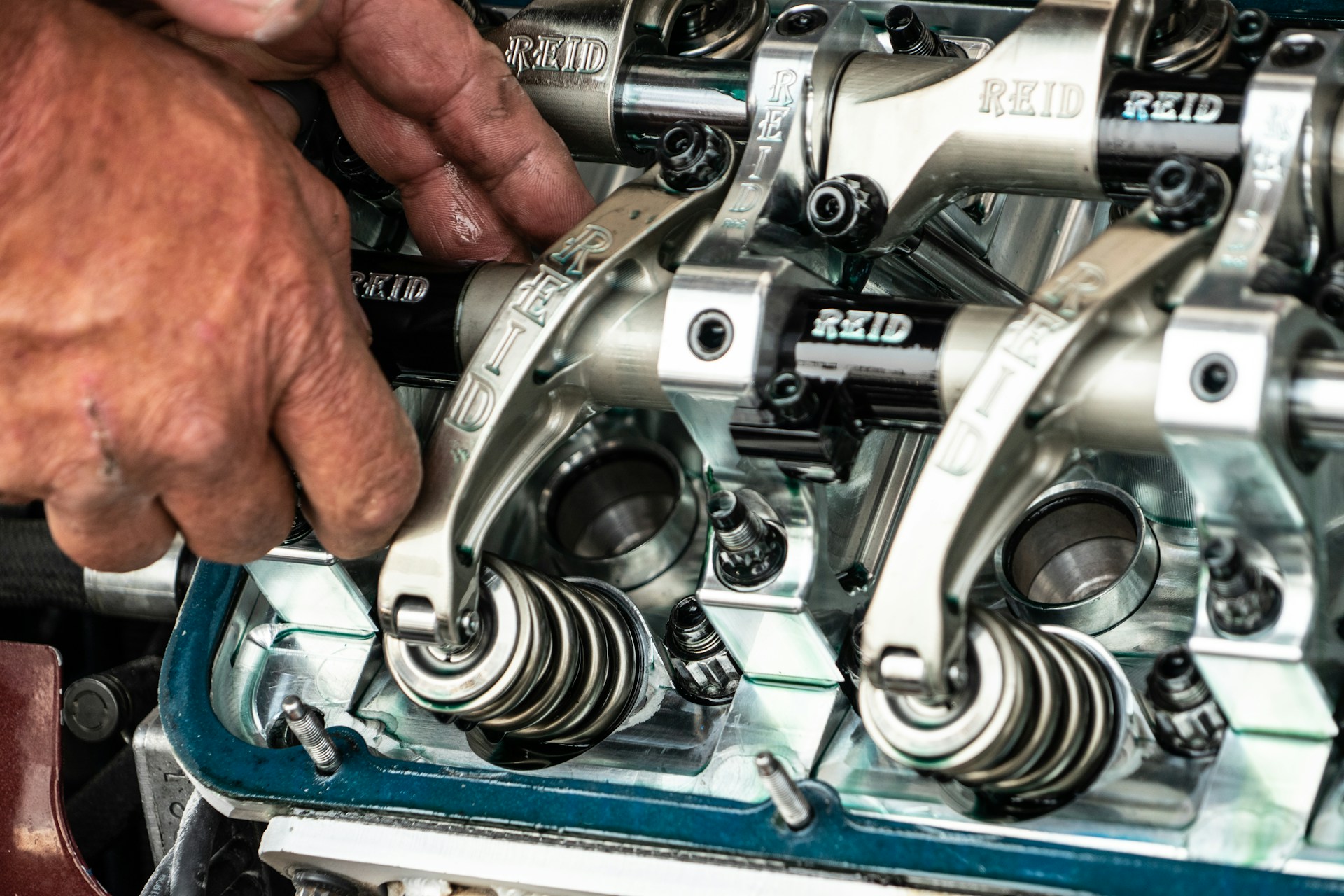
San Luis Potosí Auto Parts Exports to the U.S. Decline 6.9%: What Slowed Shipments?
Sep 13, 2026
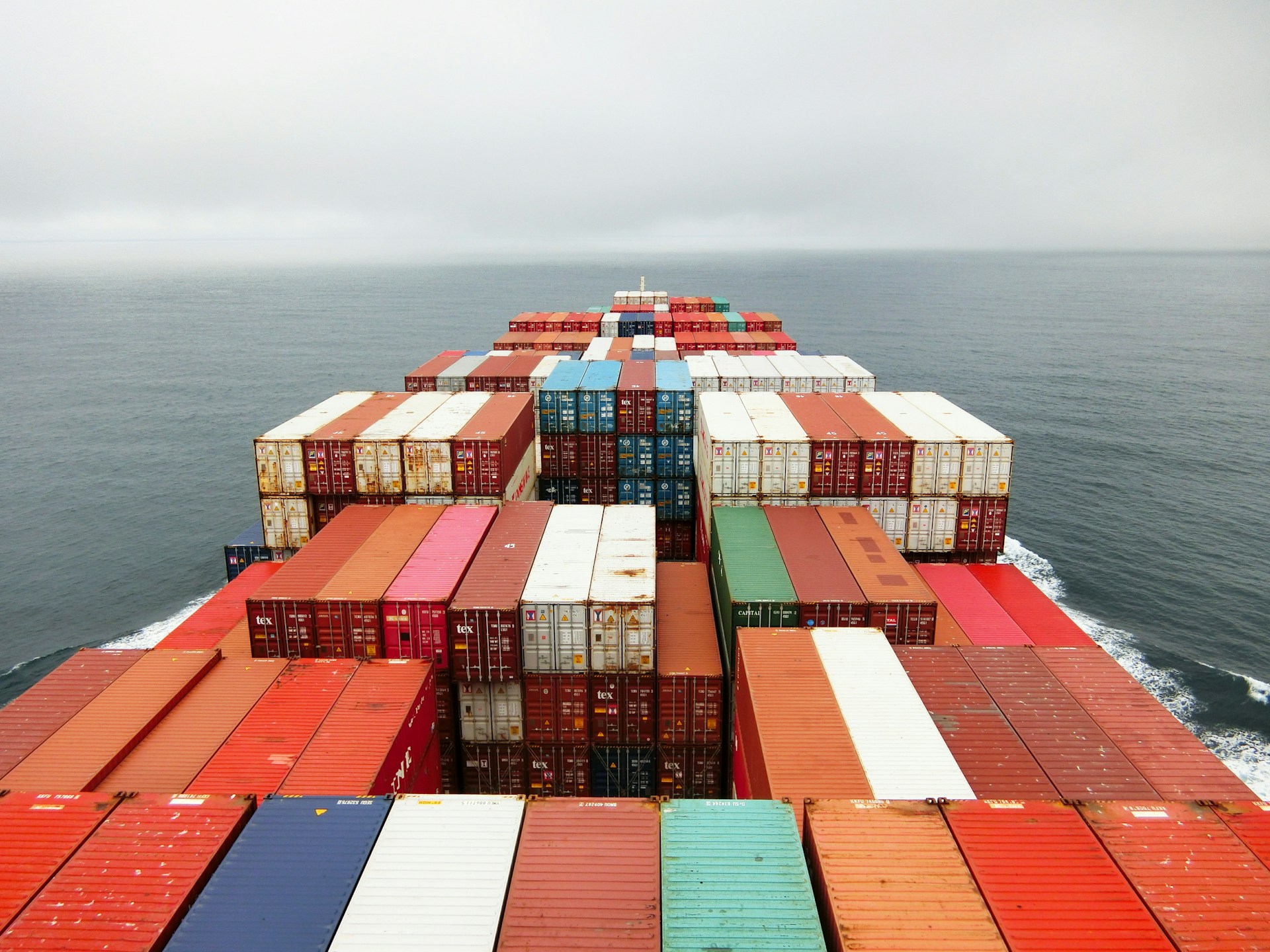
COMCE 2026 Congress: How Will It Boost Nuevo León's Foreign Trade?
Sep 2, 2026
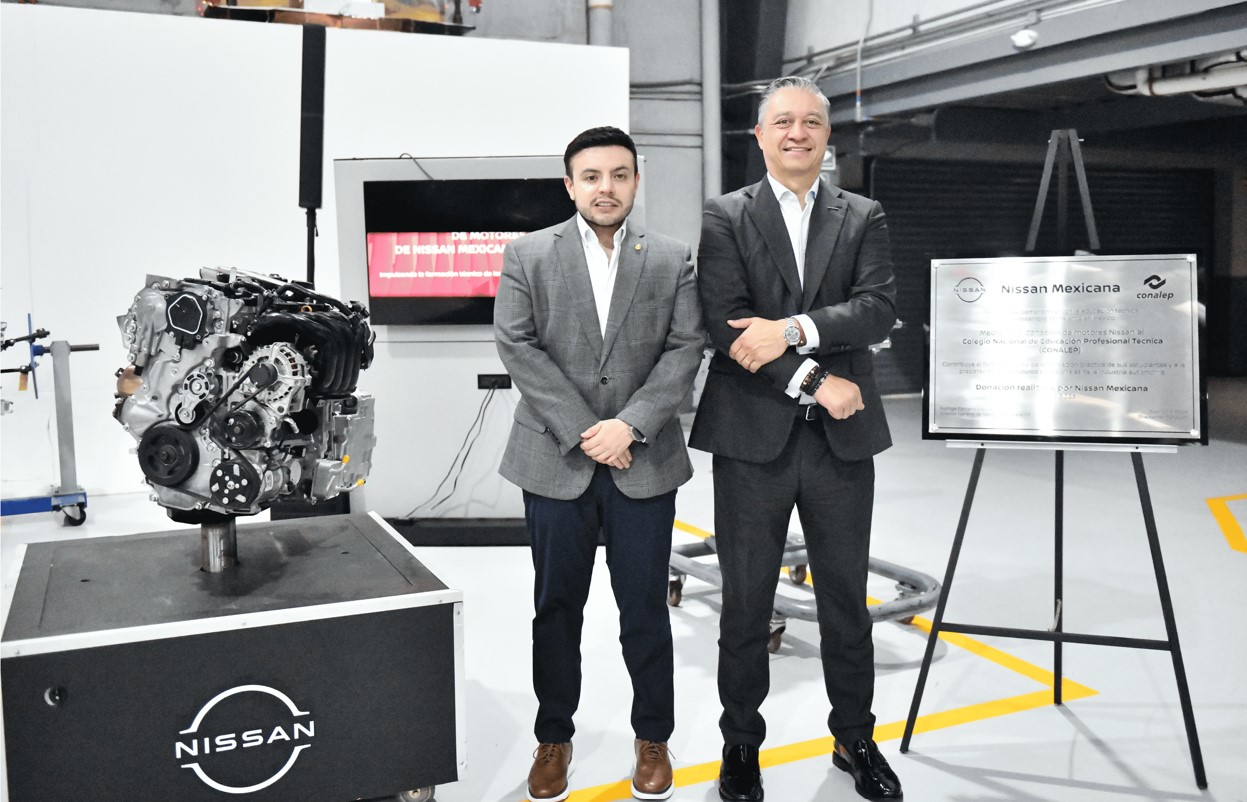
Nissan Donates Over 50 Engines to Conalep to Train 40,000 Students in Automotive Education
Sep 2, 2026
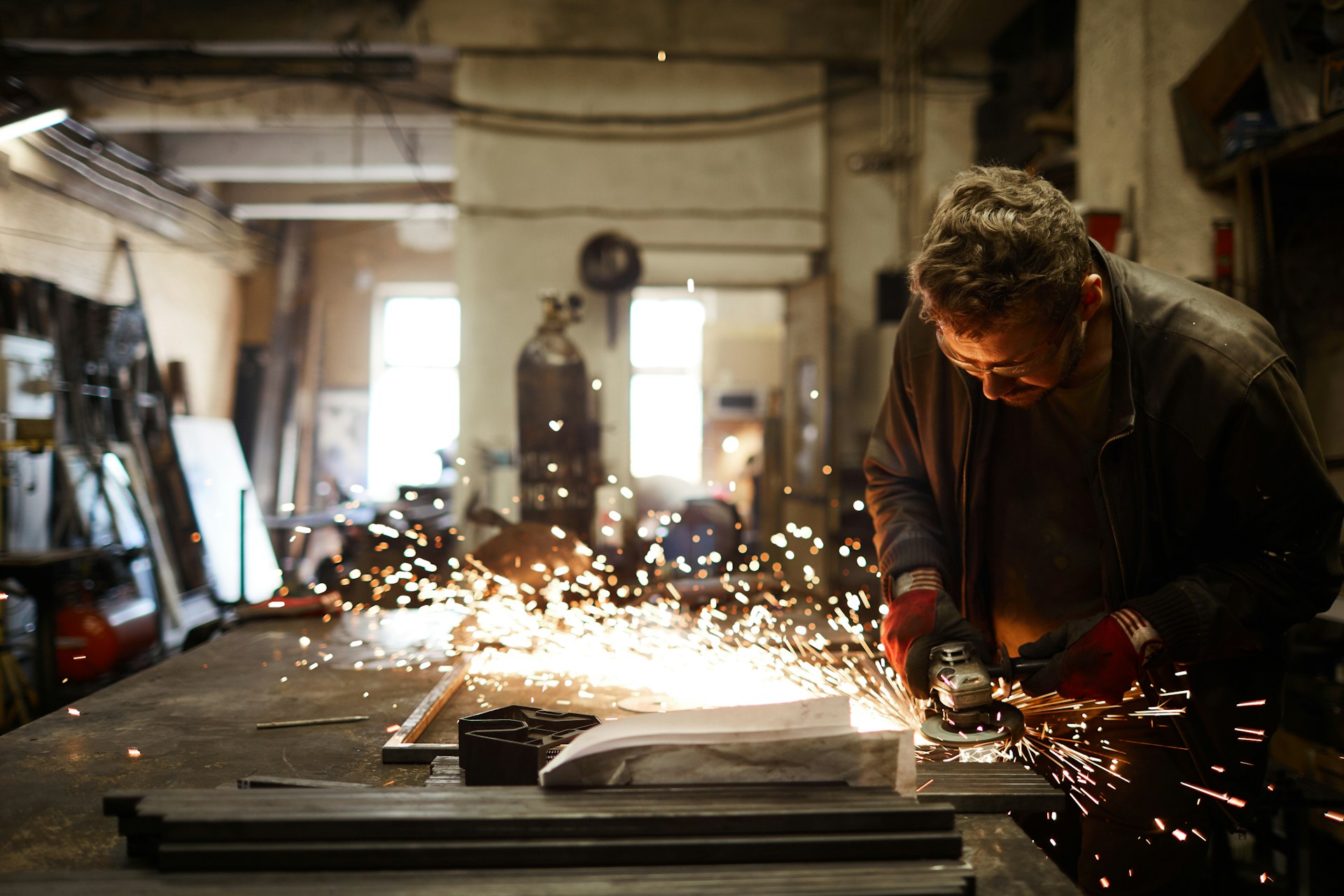
IMMEX Employment Grows 0.4% Monthly in June, Still Below 2025 Levels
Aug 20, 2026
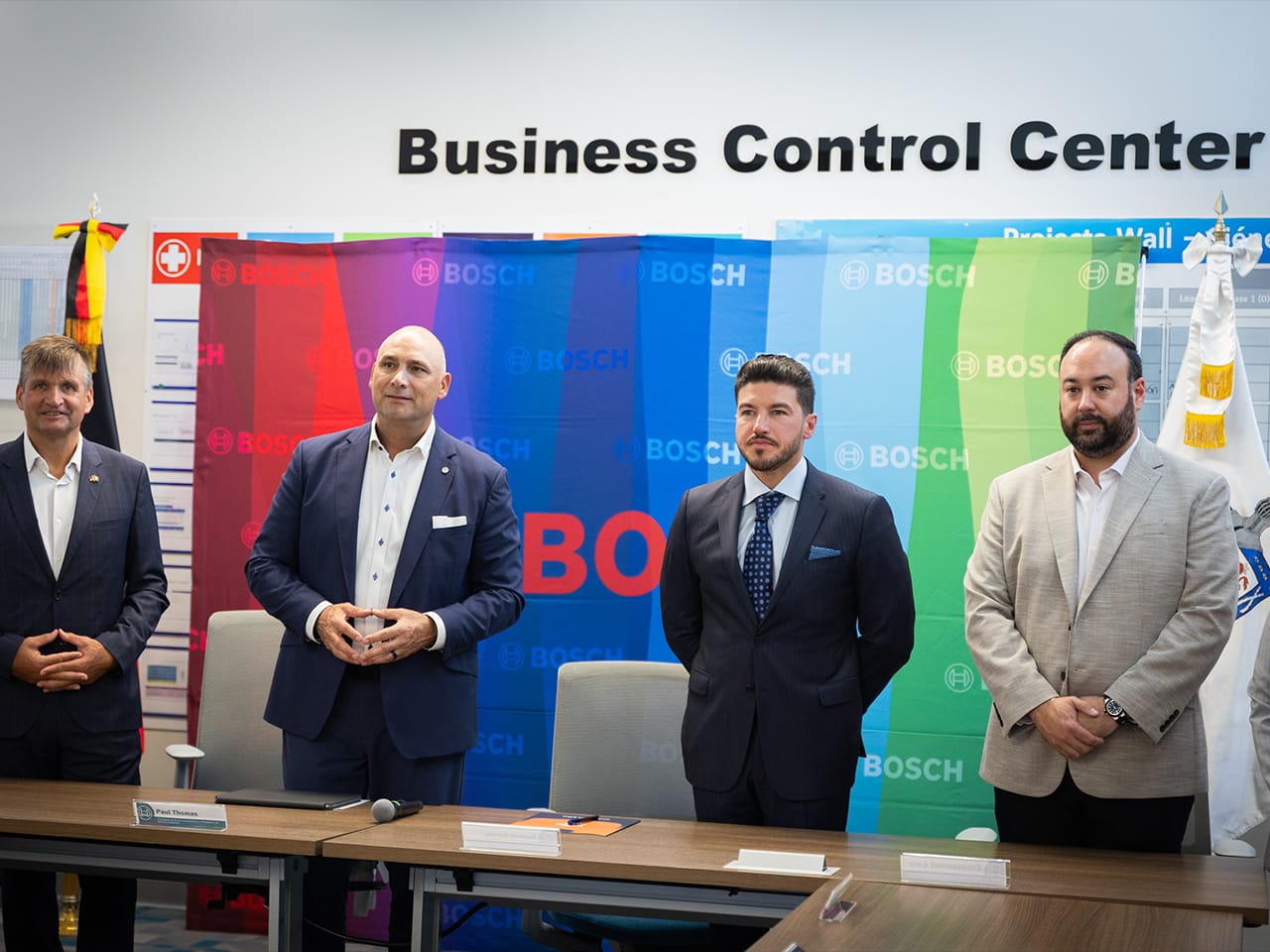
$300 Million and a New Plant: Bosch's Investment Details in Nuevo León
Aug 19, 2026