
Nuevo León's Mobility Achievements Ahead of the 2026 World Cup
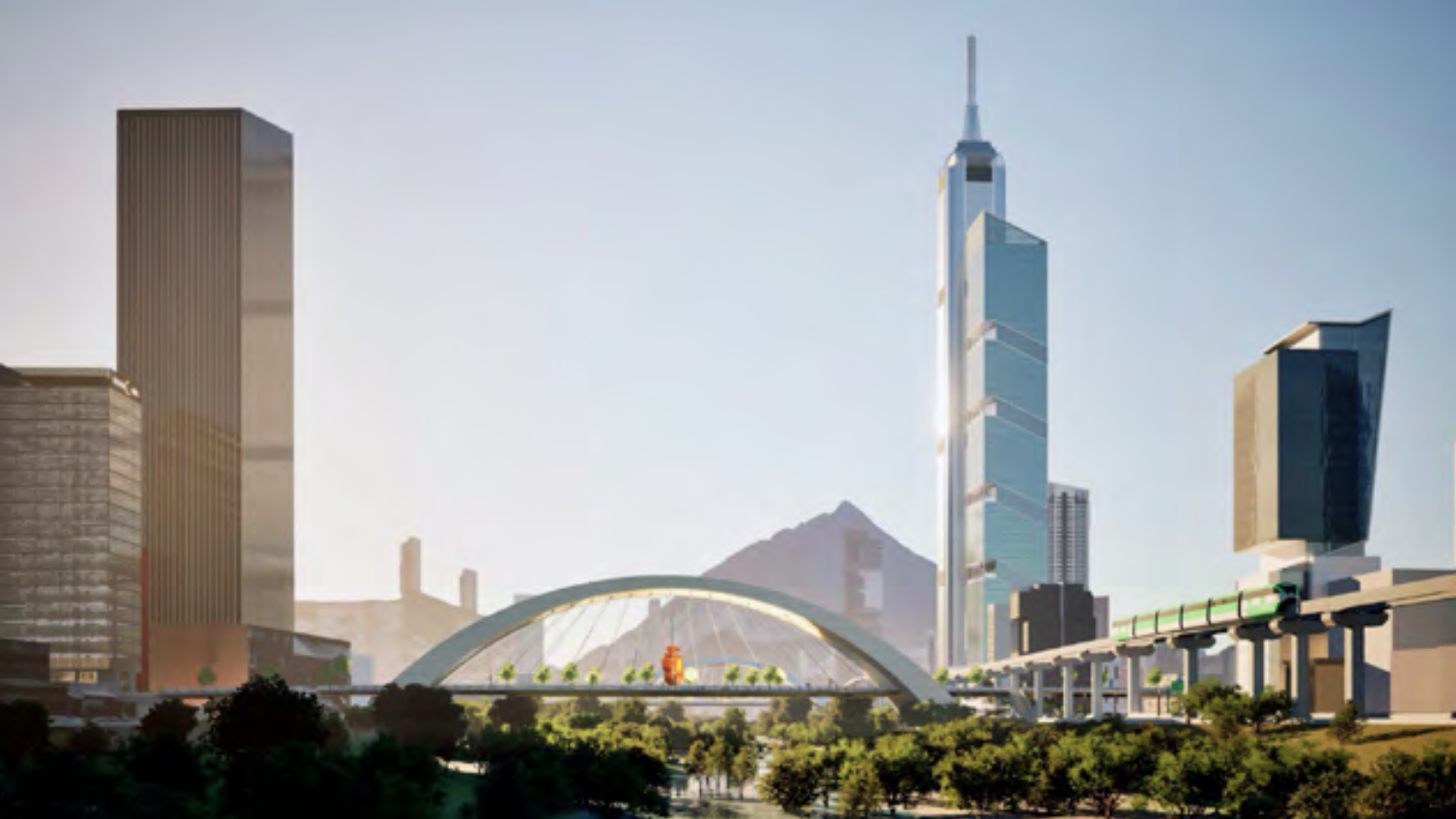
Nuevo León invests 100B pesos in mobility and infrastructure for FIFA 2026, enhancing urban life and establishing the state as a logistics hub.
Leading up to the
Thus,
In urban mobility, 1,800
In turn, road projects, such as the Northern Triangle and the SPGG Road Interconnection, aim to reduce congestion and improve travel times. In the Northern Triangle, 166.2 million pesos are being invested, with 89% progress, connecting the Colombia and Monclova highways. The SPGG Road Interconnection includes underpasses, additional lanes, and a 700-meter elevated viaduct, optimizing urban mobility.
The Gloria–Colombia highway, completed with an investment of 4.905 billion pesos, facilitates 6,500 daily crossings between Mexico and the United States, strengthening logistical infrastructure and international trade. Furthermore, lanes were expanded on NL-001 and Mex-002, solidifying the state’s terrestrial connectivity.
Strategic pedestrian bridges are being constructed, such as those at Obispado and ISSSTE stations, benefiting over 16,000 people. The rehabilitation of nine pedestrian bridges over Constitución Avenue covers 2,582 linear meters and 21,114 m² of surface area, directly impacting 18,000 beneficiaries.
Additionally, linear parks are being developed, such as the one connecting Obispado station with Fundidora Park, with an investment of 312 million pesos, including green areas, walkways, and recreational spaces. Another linear park links the Federal Palace with Fundidora Park, strengthening safe mobility and urban connectivity.
Furthermore, the expansion of the Solidaridad International Bridge and the new Laredo-Colombia customs office double operational capacity to 16 lanes, while a 265 km elevated corridor will operate with hybrid autonomous shuttles, reducing emissions by up to 75%. This infrastructure bolsters export competitiveness and Nuevo León’s position as a logistics hub in the Americas.
The La Gloria and El Camarón road distributors (interchanges), with bridges of 960 and 1,670 meters, enhance cargo and passenger flow, solidifying the efficiency of the international road system.
Ultimately, with modern infrastructure, efficient public transportation, strategic road corridors, and international connectivity, Nuevo León is not only preparing for the FIFA World Cup 2026 but is also building an urban and social legacy. The combination of investment, technology, and planning positions the state as a benchmark in mobility, safety, and urban development for future generations.
More Articles
Capgemini to Open Second Global Delivery Center in Mexico; Facility to be Located in Bajío Region
Jul 16, 2026
How Jalisco is Preparing its Industrial Parks for the USMCA Review
Jul 20, 2026
BBVA Mexico Announces Board Leadership Transition; Eduardo Osuna to be Proposed as New Chairman
Jul 29, 2026

Beer and Snacks Emerge as Winners of Mexico's Consumption "World Cup"
Jul 10, 2026
Automakers Shift Strategy; Suppliers Must Adapt: SLP Automotive Cluster
Jul 20, 2026

BYD King 2027 Arrives in Mexico: Features and Pricing
Jul 17, 2026