
Pensions in Mexico: The OECD's Diagnosis Revealing Lower Incomes for Women
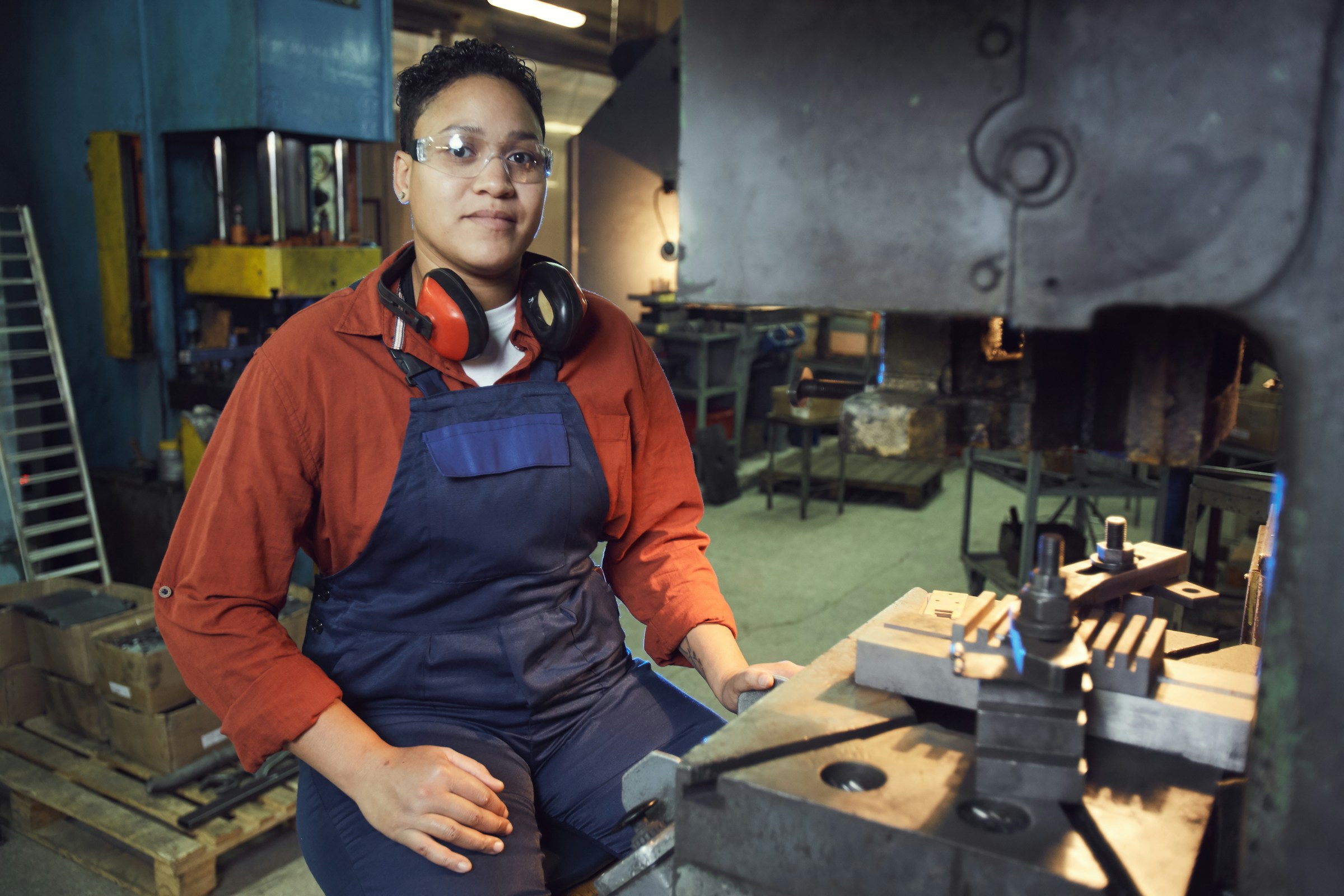
The OECD's "Pensions at a Glance 2025" reveals Mexico has one of the largest and most persistent gender pension gaps, impacting women's financial security in old age.
In Mexico, retirement does not yield the same benefits for men and women, as a persistent pension gap exists. Despite years of work, women receive significantly lower pensions. This is confirmed by the Organisation for Economic Co-operation and Development (OECD) study, «Pensions at a Glance 2025». This statistical analysis raises concerns in Mexico, as it positions the country among members with the largest gender gap in pension amounts—a disparity that, unlike in other nations, has not been reduced over time. The report also analyzes pension reforms implemented in OECD countries over the past two years and dedicates a special chapter to the differences between men and women at retirement. The document not only presents current figures but also projects future trends and examines the structural factors explaining why women reach old age with less income. How is Mexico performing? You might be interested in
A Gap That Is Closing in Other Countries
On an aggregate level, the OECD indicates that the average gender pension gap has decreased from 28% in 2007 to 23% in 2024, and this trend is expected to continue in the coming years.
This is due to a combination of factors:
- Increased female participation in the labor market.
- Reforms in pension systems.
- Work-life balance policies.
However, Mexico has not followed this path. The accumulated inequality in the labor market is transferred almost intact to retirement, deepening women’s economic risk in old age.
Later Retirement, But with Persistent Inequality
The report also warns that retirement ages will continue to rise in more than half of OECD countries. For those who began their working lives in 2024, the normal retirement age will increase, on average, to 66.4 years for men and 65.9 years for women, nearly two years more than for those currently retiring.
Legislation varies significantly among countries. While in Luxembourg and Slovenia the legal age is 62, in nations like Denmark, Estonia, Italy, the Netherlands, and Sweden, it stands at 70 years or more. In Mexico, although the age is lower than in these countries, the central problem is not when women retire, but with how much money they do so. You might be interested in
Why Do Women in Mexico Receive Lower Pensions?
The OECD clearly states that inequality does not originate at retirement but throughout one’s entire working life. In Mexico’s case, women face multiple structural disadvantages:
- They work fewer years in the formal labor market than men.
- They earn lower wages during their working lives.
- They more frequently interrupt their careers to perform caregiving tasks.
- They dedicate more time to unpaid work, such as caring for children, sick individuals, or the elderly.
These conditions translate into fewer contributory weeks and lower contributions to the pension system, directly impacting the final amount they receive upon retirement. The OECD emphasizes that Mexico presents one of the largest income gaps between men and women throughout their lives, and this inequality is almost automatically reflected in pensions.
Mexico, Among Countries with the Largest Pension Gap
On average, in OECD countries, women receive monthly pensions that are 23% lower than men’s. This means that for every dollar a retired man receives, a woman receives just 77 cents. However, there are countries where the difference is much greater.
According to Pensions at a Glance 2025, the gap exceeds 35% in Austria, Mexico, the Netherlands, and the United Kingdom, and reaches its highest point in Japan, where women receive 47% less than men upon retirement. In contrast, nations like Czechia, Estonia, Iceland, the Slovak Republic, Slovenia, and Denmark record differences of less than 10%. Mexico stands out negatively not only for the size of the gap—up to 35% less for women—but also because it has not shown a clear downward trend, as is the case in most of the organization’s countries. Learn more
Pensions: A Problem in Mexico That Has Not Been Resolved
While in most OECD countries the pension difference has gradually decreased, in Mexico the gap has even increased in recent decades. This means that many women face old age with insufficient incomes, especially those who live alone or depend exclusively on their pension to subsist. The social impact is profound: lower savings capacity, greater vulnerability to illness, and economic dependency in a life stage where employment opportunities are limited.
Does Mexico’s Pension Reform Help?
In 2024, Mexico approved a reform to the pension system aimed at improving the amount retirees receive. The most significant change is a supplement that guarantees up to 100% of the last salary, with a maximum cap, reducing exclusive reliance on one’s entire work history. The OECD acknowledges that this adjustment could help reduce the gender gap, as it limits the impact of unequal career paths. However, the organization itself warns that the effect will be limited. To access a full pension, at least 20 years of contributions are required, a threshold difficult to reach for many women who have worked in the informal sector or have had interrupted careers. Furthermore, informal employment remains high in Mexico and disproportionately affects women.
Insufficient Progress Without Structural Changes
The OECD’s diagnosis is conclusive, underscoring that the reform is a step, but not a complete solution. To fundamentally close the pension gap between men and women, Mexico needs broader changes, including:
- Greater access for women to formal employment.
- Better wages and a narrower gender wage gap.
- A more equitable distribution of care work between men and women.
As long as these inequalities persist in working and social life, the gap will inevitably extend into retirement, perpetuating economic inequality in old age. The picture painted by the OECD is not only a warning but a call to address a structural debt that persists until the end of the working lives of millions of women in Mexico.
You may also read
The entry
first appeared in Líder Empresarial.
More Articles
Will Mexico Impose Tariffs on Chinese Steel? The U.S. Request
Jul 27, 2026

98.4% of Employers and Entrepreneurs Would Rehire UAA Graduates, According to Study
Jul 29, 2026

From Fields to Laboratories: How Drug Trafficking Became a Global Industry
Jul 2, 2026
Nuevo León's IMMEX Establishments and Employment in 2026
Jul 29, 2026

How UANL Will Integrate Artificial Intelligence into Its Educational Programs
Jul 15, 2026
Aguascalientes Ranks Fifth in Grape Production in Mexico, Confirms Viticulture Council
Jul 27, 2026