
Mexico's Sugar Industry in 2026: An Exporting States Overview
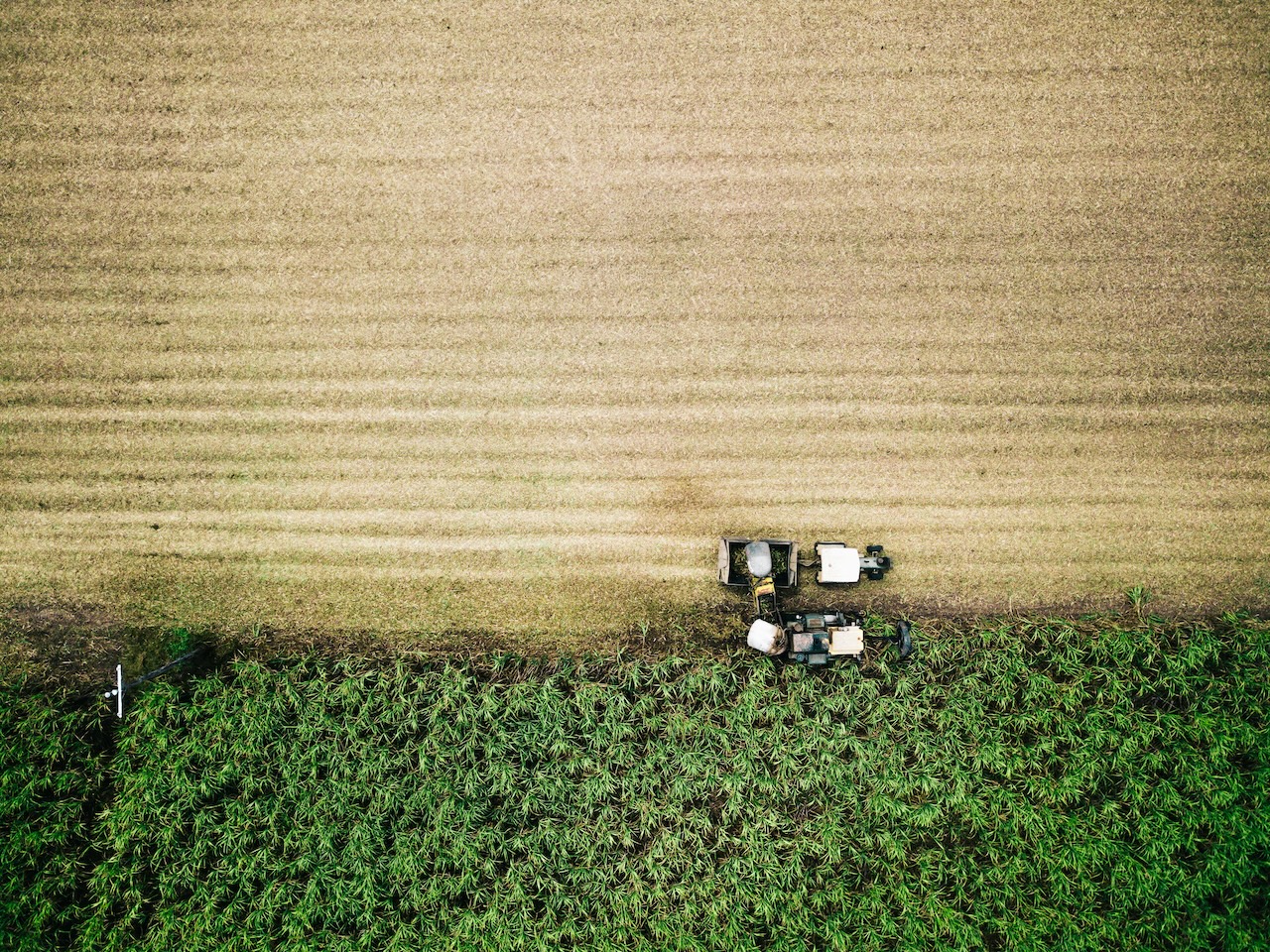
Analysis of Mexico's sugar industry in 2026, focusing on export strategies, production by state, and future diversification into biofuels.
Mexico’s Sugar Industry in 2026: Exporting States
Mexico’s sugar industry is undergoing a strategic redefinition in 2026. After years marked by production surpluses, price pressures, and reduced participation in some international markets, the sector is facing a new opportunity by regaining ground in the United States, strengthening sugarcane producer revenues, and advancing towards industrial diversification based on biofuels.
The Government of Mexico has announced that the United States has begun to regularize the access of Mexican sugar to its market, a measure that could reshape the sector’s commercial landscape during the upcoming agricultural cycle. According to estimates from the United States Department of Agriculture (USDA), the neighboring country will require imports of up to 1 million 152 thousand tons of Mexican sugar during the 2026-2027 cycle, a figure representing a 512% increase compared to the previous cycle’s estimate.
This commercial adjustment presents an opportunity for an
President Claudia Sheinbaum stated that this progress is the result of bilateral dialogue initiated in November 2025 with U.S. authorities, a process that has improved export conditions for Mexican producers.
The economic impact could also be reflected in sugarcane farmers’ income. According to federal government estimates, the new commercial conditions could represent an additional 4.76 billion pesos in the price paid by the sugar industry to approximately 170,000 sugarcane producers.
The Challenge of Exporting Mexico’s Sugar Industry
Mexico possesses a consolidated and self-sufficient sugar industry but faces structural challenges related to overproduction, competition from other sweeteners, and the need to add greater value to sugarcane.
In recent years, the distribution of Mexican sugar demand has been primarily concentrated in:
- Domestic Market: Accounts for approximately 66% to 70% of mill sales.
- Export Quota to the United States and Puerto Rico: Approximately 10% to 17%.
- IMMEX Companies: Around 6% to 10%.
- World Market: Between 4% and 14%, albeit with lower profitability margins.
One of the sector’s main issues is that exports to markets other than the United States are typically conducted under less favorable conditions. Mexican sugar sent to the global market is mainly traded through Contract 11, whose prices can be half of the values obtained in the U.S. market.
The National Sugarcane Agroindustry Program (PRONAC) 2026-2030 aims to reduce this vulnerability through three main objectives:
- Increase the sustainability of Mexican sugarcane farming.
- Improve the stability of the sugar market.
- Diversify sugarcane utilization through biofuels.
In this context, the new commercial scenario with the United States offers relief to an industry that recorded a production recovery in the 2025/2026 cycle. As of May 2026, national production reached 4 million 800 thousand 79 tons of sugar, a 6.03% growth compared to the previous cycle, according to data from the National Union of Sugarcane Farmers (CNPR).
The expectation for the end of the cycle is to reach an approximate production of 5 million 806 thousand tons of sugar, with 47 out of the 49 existing mills in Mexico in operation.
Accumulated milling reached 44 million 270 thousand 828 tons of sugarcane, while the industrialized surface area reached 626 thousand 458 hectares. The average yield in the field stood at 70.668 tons of sugarcane per hectare, higher than that registered in the previous cycle.
Among the mills with the highest yields are:
- Atencingo, with 111.068 tons per hectare.
- Tamazula, with 106.167 tons per hectare.
- Casasano La Abeja, with 104.048 tons per hectare.
- Pujiltic, with 96.266 tons per hectare.
- Emiliano Zapata, with 95.701 tons per hectare.
States Leading Sugar Production and Exports in Mexico
The geography of Mexico’s sugar industry is shaped by states with favorable climate conditions, agricultural tradition, and extensive mill infrastructure.
The main producing and exporting states are:
-
Veracruz: The National Sugar Giant Veracruz maintains the undisputed leadership in Mexico’s sugar industry. The state contributes approximately 38% to 40% of national production and concentrates the largest number of operating mills, with around 18 facilities. Regions such as Córdoba, the Huasteca Alta, and Papaloapan are strategic areas for production destined for both the domestic market and exports. Furthermore, its ports have made the state a primary point of departure for Mexican sugar to the United States and other international markets. During the 2025/2026 cycle, Veracruz stood out as one of the entities with the highest export participation, with shipments made from the port of Veracruz to destinations like the United States, Canada, Morocco, and other countries.
-
Jalisco: Innovation and Integrated Agroindustry Jalisco ranks second nationally in sugar production, accounting for nearly 13% to 14% of the country’s total. The state boasts highly productive regions and a developed agri-food industry, where sugarcane is part of value chains linked to food, beverages, and manufacturing. The Tamazula mill, located in this state, is among the most efficient in the country in agricultural yield, reflecting the state’s technological and productive capacity.
-
San Luis Potosí: The Sugarcane Strength of the Huasteca San Luis Potosí accounts for approximately 7% of national production and has one of its most important agricultural regions in the Huasteca. The state maintains significant participation in national supply and export cycles, thanks to the presence of mills with extensive operational experience.
Other Strategic States
The industry also has a significant presence in:
- Sinaloa: With production oriented towards the domestic market and exports.
- Michoacán: With diversified agricultural activity.
- Tamaulipas: With strategic logistics infrastructure.
- Oaxaca: With participation in exports.
- Tabasco: One of the historical states in sugarcane production.
- Chiapas: Maintains presence in international markets.
Commercial records from 2026 show exports from logistical points such as Veracruz, Tampico, Salina Cruz, Progreso, Coatzacoalcos, Nuevo Laredo, and Manzanillo to destinations including the United States, Canada, Morocco, Japan, and other markets.
Mexico’s Sugar Future Bets on Exports, Technology, and Biofuels
Although expanded access to the U.S. market represents an immediate opportunity, the industry recognizes that its competitiveness will depend on a deeper transformation. One of the primary paths is the production of Sustainable Aviation Fuel (SAF) from sugarcane.
The sector estimates that sugarcane surpluses could be transformed into up to 800 million liters of ethanol, sufficient to produce around 400 million liters of SAF bioturbine fuel. This strategy would allow for the utilization of surpluses currently sold in lower-priced international markets and their conversion into higher value-added products.
Additionally, the sector is working on:
- Increased mechanization of cultivation and harvesting.
- Development of new sugarcane varieties resistant to climate change.
- Genetic and technological research.
- Reduction of production costs.
- Improved environmental and social practices.
Institutions such as the Sugarcane Research and Development Center (CIDCA), universities, and specialized centers are participating in projects related to genetic improvement, biotechnology, and agricultural productivity.
Mexico’s sugar industry arrives at 2026 with a combination of challenges and opportunities. The expected increase in exports to the United States opens a window to strengthen rural incomes, but the true challenge will be to build a more competitive, sustainable, and diversified production chain.
You may also be interested in:
The entry
More Articles

Monterrey Leads New Alliance Between Technology and Health: TCS Drives Digital Transformation
Sep 23, 2026

Mexico Accelerates in E-commerce: Consumer Packaged Goods Online Sales Grew 35%
Oct 2, 2026
IMSS Workers to March on October 13: Routes and Blockages in CDMX
Oct 12, 2026
Nuevo León Ranks as Mexico's Third Largest Exporter
Sep 30, 2026

Growing Without Collapsing: What's Pressuring Logistics in Mexico?
Oct 1, 2026

Guanajuato Promotes Dual Training for the Leather-Footwear Sector
Sep 30, 2026