
Sheinbaum's Electoral Reform Pillars: An Overview of the Initiative
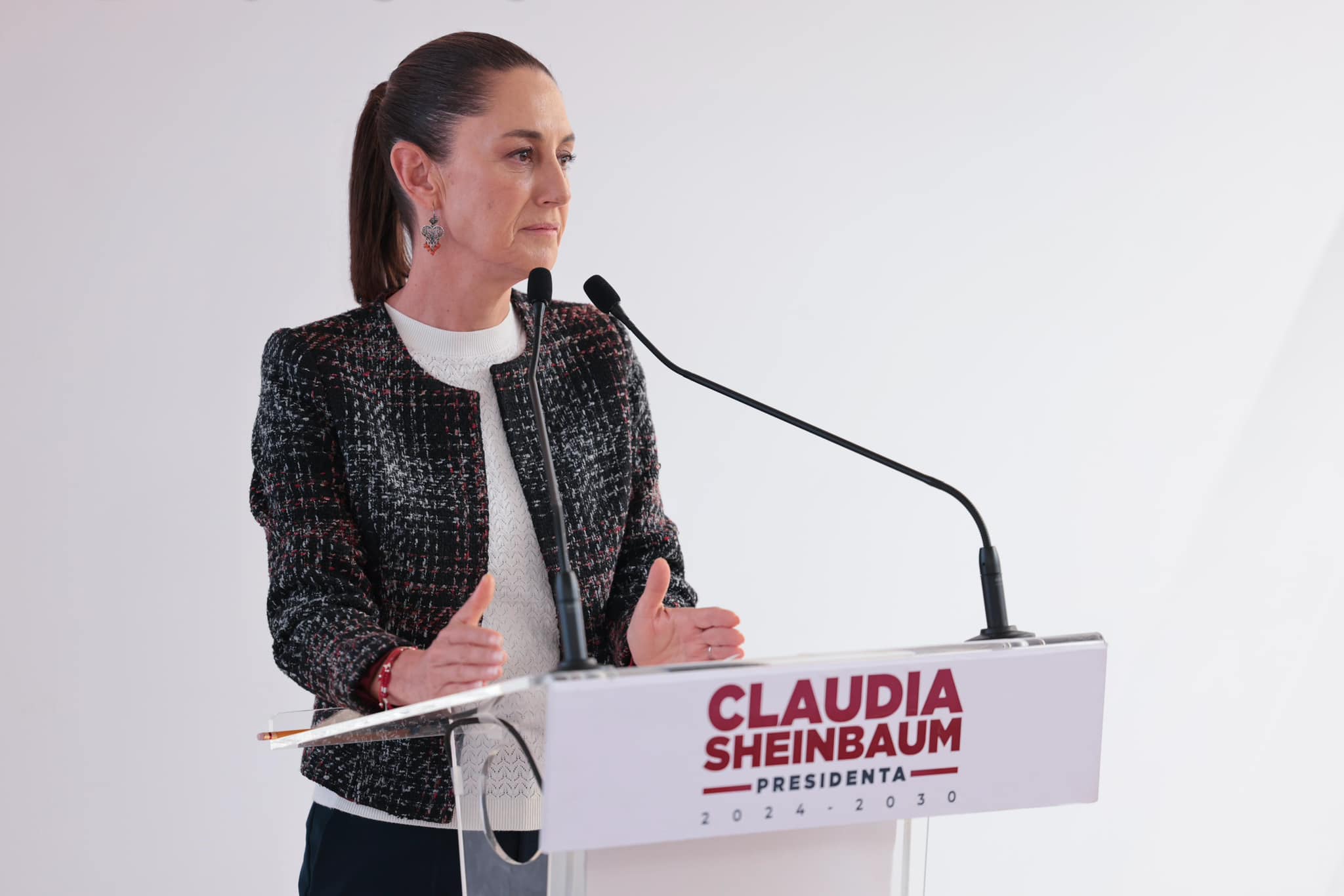
An overview of President Sheinbaum's proposed electoral reform, detailing its 12 constitutional amendments aimed at reducing costs, adjusting representation, and boosting citizen participation.
The electoral reform initiative championed by President Claudia Sheinbaum is currently in a preliminary phase of political and technical definition. According to Ricardo Monreal, Morena’s coordinator in the Chamber of Deputies, the project encompasses approximately 12 constitutional amendments. He also emphasized that the scope of this initiative would necessitate building consensus with allied parties, primarily the Labor Party (PT) and the Ecologist Green Party of Mexico (PVEM). Monreal explained that, given these are constitutional modifications, the process requires prior agreements before the initiative can be formally presented. Consequently, the Presidential Commission has begun discussions with legislative allies, with the expectation of making progress in the coming days.
Key Pillars of Sheinbaum’s Electoral Reform
Reduction of Electoral Spending and Institutional Redesign
One of the central tenets of the project is the reduction of electoral spending, both in election processes and in the funding of institutions. President Sheinbaum highlighted that Mexico ranks among the countries with the most expensive elections globally, a situation that, she stated, can be reviewed without compromising the autonomy or operations of electoral bodies. In this regard, the reform proposes adjustments to the funding of political parties, the National Electoral Institute (INE), and local public electoral bodies (OPLEs). Sheinbaum reiterated that the objective is not to weaken institutions but to rationalize the use of public resources while preserving democratic principles. Ricardo Monreal specified that among the 12 points, topics such as prerogatives, radio and television advertising spots, and campaign spending are also being reviewed, all of which are integral to the financial framework of the Mexican electoral system.
Proportional Representation and Plurinominal Legislators
Another significant pillar is the review of the proportional representation scheme, particularly concerning plurinominal legislators. The President clarified that their abolition is not proposed, but rather a change in their election method. The objective, she explained, is to prevent candidate lists from being defined exclusively by party leaderships. Sheinbaum pointed out that one of the main public dissatisfactions stems from the top-down designation of these candidacies. Therefore, the proposal aims for greater citizen participation in the formation of these lists, without eliminating the mechanism that ensures minority representation. This point connects with other topics under discussion, such as the composition of legislative chambers and legislative immunity (fuero), which are also part of the package of constitutional reforms.
Participatory Democracy and Citizen Consultations
The electoral reform incorporates a component aimed at strengthening participatory democracy. The President announced that the aim is to expand consultation mechanisms not only at the national level but also at state and municipal levels, with the purpose of allowing the population to directly influence public decisions. Sheinbaum highlighted that these consultations would enable municipal residents to participate in matters affecting their immediate environment. This approach does not replace representative democracy but complements it through direct participation instruments. The federal executive has emphasized that these changes do not imply a radical transformation of the democratic framework but rather specific adjustments that reinforce legitimacy and citizen participation.
A Stumbling Block for Electoral Reform? The Green Party’s Reservations
However, clear warnings have emerged from the Ecologist Green Party of Mexico. Senator Jorge Carlos Ramírez Marín affirmed that his party will not support a reform that reduces the number of plurinominal legislators or cuts the budget for political parties. The legislator maintained that this stance has been public since the beginning of the debate. In his view, reducing plurinominal positions and funding would directly impact minority political forces, creating an imbalance against legislative majorities. Ramírez Marín argued that these changes could limit political plurality and force minorities to accept decisions without room for negotiation, a scenario the PVEM is unwilling to support.
What’s Next for Sheinbaum’s Electoral Reform?
Sheinbaum’s electoral reform is progressing amidst political dialogue and pending definitions. With at least 12 constitutional changes on the table, the project is shaping up to be one of the most significant legislative debates at the start of the presidential term. While the Executive defends a proposal aimed at reducing costs, adjusting representation, and expanding citizen participation, allied parties are drawing red lines that will condition the initiative’s final scope. The outcome will begin to take shape in February when the project formally reaches Congress.
You can also read
More Articles

Kia Mexico Earns Gold in Initial Quality with Nuevo León Plant
Jul 6, 2026

Financial Markets Today: Oil Rises and Mexican Peso Faces Pressure Due to USMCA
Jul 20, 2026

Meximold 2026 in Querétaro: Dates and Key Information
Jul 16, 2026

Women Losing Ground in San Luis Potosí's Economy: IMCO Report
Jul 21, 2026

Nearshoring Without New Plants: How Existing Factories in Querétaro Are Growing
Jul 11, 2026

Volaris: How Can SMEs Reduce Business Travel Costs?
Jul 21, 2026