
States with the Highest Manufacturing Growth in 2025: INEGI
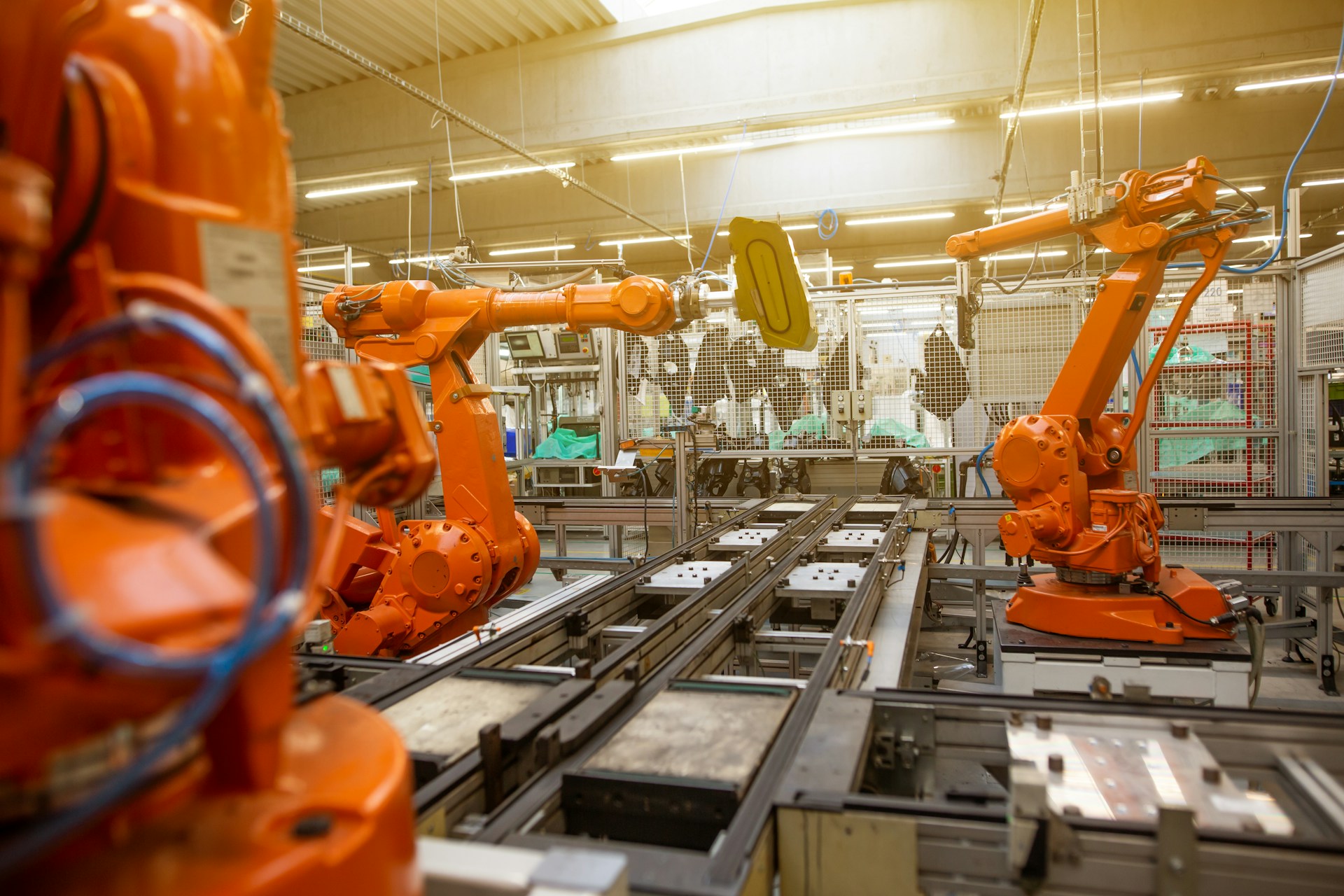
Mexico's manufacturing landscape shifts in 2025, with southern and central-east states like Tabasco and Oaxaca leading growth, while traditional northern hubs experience declines.
Mexico’s manufacturing landscape is undergoing a profound metamorphosis, challenging the industry’s traditional geography. According to the INEGI report on industrial activity by federal entity (IMAIEF), as of October 2025, the manufacturing sector showed atypical dynamism, with states in the south and central-east taking the lead over consolidated industrial hubs in the north and the Bajío region.
This phenomenon is significant, occurring in a context where the national indicator for the manufacturing sector registered an annual contraction of 1.2%. However, hidden behind this average are triple-digit growth figures that suggest a reconfiguration of regional productive capacities, driven by strategic projects and a new investment logic within the territory.
The Podium of Transformation
Firstly, Tabasco stands as the undisputed leader in Mexican manufacturing, with an annual growth of 89.6% as of October 2025. This figure, which seems reminiscent of an oil boom period, now reflects an intensification in goods transformation that has positioned the entity at the forefront of national productivity.
In second place, demonstrating similar strength, is Oaxaca, a state that reported a 70.1% advancement in its manufacturing industry, consolidating its transition from a service-based economy to one of tangible production.
Additionally, other states have successfully navigated the sector’s downturn. Quintana Roo registered an increase of 18.4%, followed by Hidalgo with 13.5%, and San Luis Potosí with 6.4%.
A Pause in the Traditional Engines of the Bajío and the North
Conversely, the other side of the coin is presented by states that have historically been the country’s manufacturing engine. In this sense, entities such as Nuevo León and
experienced identical annual declines of 5.1% in their manufacturing production, while the State of Mexico registered a setback of 5.7%.
These negative variations in Mexico’s industrial heartland serve as a reminder of these regions’ sensitivity to adjustments in global supply chains and U.S. market demand.
Consequently, the close of 2025 presents a landscape of contrasts: a South accelerating at full throttle and a Central-North that appears to have entered a recalibration cycle.
In conclusion, the challenge for 2026 will be to determine whether this vigor in states like Tabasco and Oaxaca possesses the necessary structure to sustain itself long-term, or if it merely reflects a circumstantial inertia that will eventually stabilize.
Related Content
This entry
first appeared in Líder Empresarial.
More Articles

2027 Elections: Which States Will See a Change in Governorship?
Sep 7, 2026

Data Centers Drive New Cooling Technology in Mexico
Sep 23, 2026
Train Would Position San Luis Potosí as a Key Logistics Hub in Mexico
Sep 7, 2026

Aguascalientes Lags National Average in Artificial Intelligence Adoption, Study Reveals
Sep 17, 2026

Nuevo León and UNICEF: Why Childhood is Key to Economic Future
Sep 24, 2026
What is Nuevo León's Position in Mexico's IMMEX Exports?
Sep 21, 2026