
The Cost of Global Conflict for Mexico: High Energy Prices, Inflation, and Business Pressure
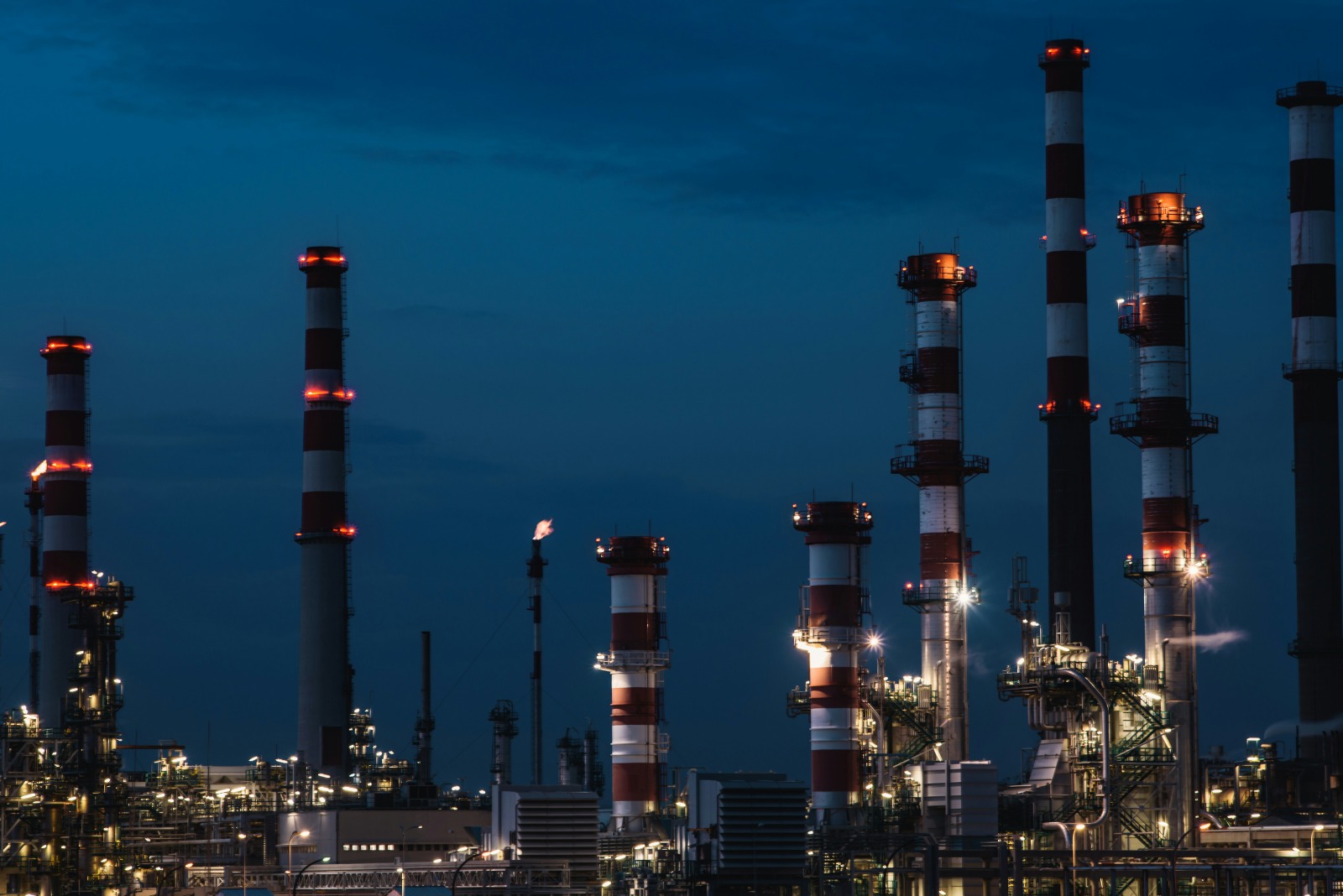
Global conflicts, like US-Iran tensions, burden Mexico's economy with higher energy costs, rising inflation, and increased business uncertainty, impacting families and operations.
Although Mexico does not directly participate in international conflicts, its economy certainly feels their effects. This warning comes from Ángeles Montserrat Govea Franco, a member of the College of Economists of Aguascalientes, who points out that the escalation of tensions between Iran and the United States is already transferring costs to the country through energy prices, inflation, and business uncertainty. “War is not only measured in geopolitical terms, but also by its direct impact on family finances and business operations,” states the specialist.
Oil as a Global Catalyst
According to Govea Franco, the primary channel for conflict transmission is the energy market. Oil volatility has increased due to the risk of disruptions in strategic areas like the Strait of Hormuz, through which nearly one-fifth of the world’s crude oil circulates.
This context has driven a significant price increase: the price per barrel of oil rose from just over $61 at the beginning of 2026 to more than $115 as the conflict progressed.
Mexico: A Structural Vulnerability
The economist emphasizes that Mexico faces a particularly delicate situation. Although it is a crude oil exporter, Mexico heavily relies on importing refined gasoline, which accounts for nearly 60% of national consumption.
This creates a “dual exposure”: on the one hand, higher oil revenues; on the other, an increase in domestic fuel costs that directly impacts the economy.
Businesses Under Pressure
For the business sector, the effects are immediate. Govea Franco warns that the rising cost of energy translates into:
- Increased production costs
- Higher logistics expenses
- Strain on supply chains
- Reduced profit margins
Furthermore, the rise in natural gas prices—essential for electricity generation—increases industrial operating costs, affecting competitiveness. “The impact is not abstract: it is reflected in business decisions, postponed investments, and reduced economic certainty,” she notes.
Inflation: The Domino Effect
One of the primary risks is the pass-through of these costs to final prices. According to the specialist, the increase in gasoline prices creates a chain reaction: Gasoline → transportation → food → products.
This phenomenon leads to persistent inflation that is difficult to contain, affecting both consumers and businesses. While the government has implemented fiscal stimuli to cushion the impact on fuel prices, this measure entails lower public revenue and pressure on state finances.
Exchange Rate and Financial Environment
Added to this is exchange rate volatility. In scenarios of global uncertainty, the peso tends to depreciate against the dollar, making imports, technology, and financing more expensive.
For the productive sector, this represents a dual challenge: higher costs and less predictability.
A Global Bill Paid Locally
For Govea Franco, the Middle East conflict highlights how geopolitical shocks translate into tangible economic impacts. “Today, the cost of war is not only measured in territory or international politics, but in the price of gasoline, the cost of food, and families’ ability to maintain their standard of living.”
The post first appeared on Líder Empresarial.
More Articles
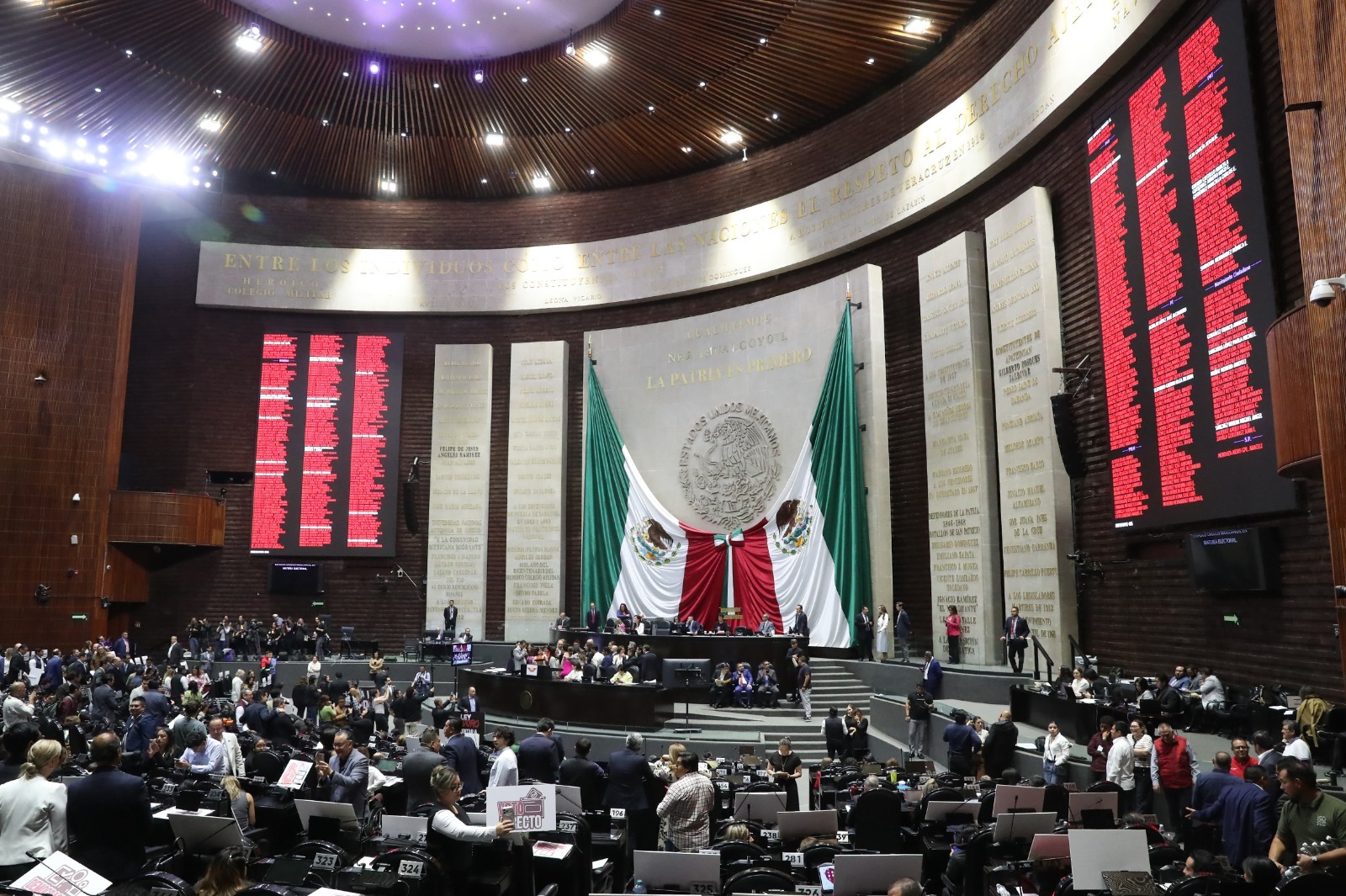
President Claudia Sheinbaum Faces First Rejection: Deputies Vote Down Electoral Reform; Morena Announces 'Plan B'
Mar 11, 2026

Dollar and Oil Prices Surge Due to Middle East Conflict: How it Impacts Jalisco
Mar 9, 2026

Viva Aerobus Announces New International Flights from Mexico
Mar 2, 2026
Foreign Direct Investment Decelerates in Aguascalientes by End of 2025
Mar 20, 2026

One in Three Companies Prioritizes Emotional Compensation to Attract Talent
Mar 18, 2026

Will Olinia Electric Vehicles Launch Before the 2026 World Cup in Mexico?
Mar 18, 2026