
The Economic Value of Unpaid Domestic Work in Aguascalientes
Unpaid domestic and care work contributes significantly to Aguascalientes' GDP, often exceeding formal economic sectors. This article analyzes its value, regional comparisons, and gender distribution.
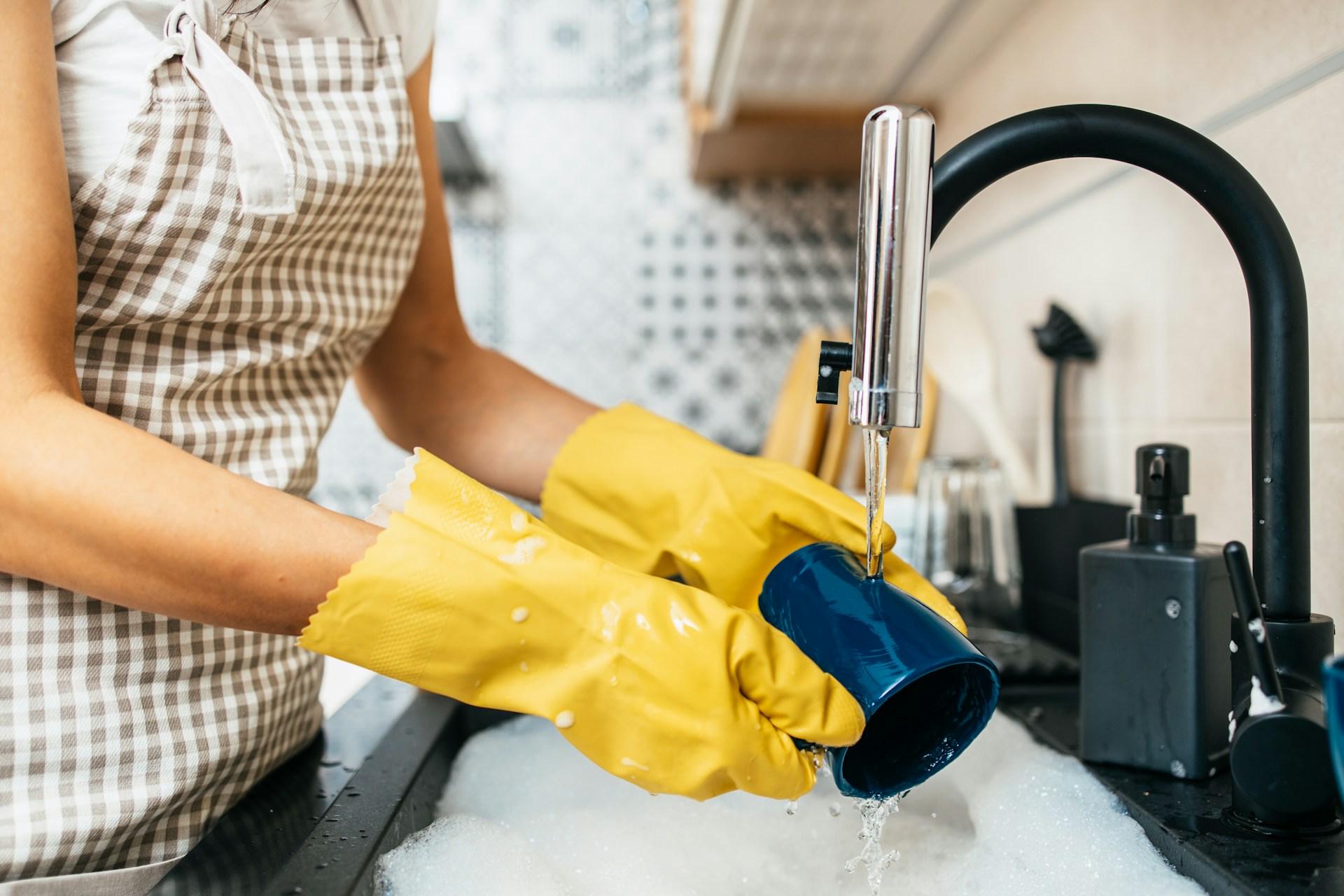
The domestic and care work performed by thousands of individuals in Aguascalientes—primarily women, unpaid, and without institutional recognition—represents an economic activity of immense significance that remained invisible until a few years ago. According to the 2024 Report on the Results of the Satellite Account of Unpaid Household Work in Mexico (CSTNRHM), prepared by INEGI, these labors contribute a national value equivalent to 23.9% of the country’s GDP. This implies that, if measured as a formal economic activity, it would surpass entire sectors such as manufacturing (20.1%) and commerce (18.7%).
Aguascalientes: 22.5% of State GDP Derived from Unpaid Domestic Work
Map 1 of the report positions Aguascalientes with a value equivalent to 22.5% of its state GDP. This signifies that nearly a quarter of the economic value generated within the state originates from unpaid domestic work, including cleaning, cooking, personal care, emotional support, and companionship. Although a numerical breakdown is not provided within the document’s main text, the map confirms this proportion for Aguascalientes.
How Does Aguascalientes Compare with its Region?
When contrasting the state’s 22.5% with
, Aguascalientes ranks in the middle: State % of State GDP Contributed by Unpaid Domestic Work Zacatecas 35.4 % Guanajuato 25 % San Luis Potosí 24.9 % Aguascalientes 22.5 % Jalisco 21 % Querétaro 19.2 % Nuevo León 16.5 % This comparison reveals a clear pattern:
- States with relatively lower formal economic activity or more traditional labor structures tend to record a higher proportion of unpaid domestic work, such as Zacatecas (35.4 %).
- Highly industrialized states, like Querétaro (19.2 %) or Nuevo León (16.5 %), exhibit smaller proportions because their GDP is higher, and unpaid work represents a relatively smaller fraction. Aguascalientes—with a diversified economy, a robust automotive industry, and a significant domestic base—is positioned exactly between these two extremes.
Women’s Role in the Invisible Economy
The INEGI report also highlights a national trend replicated across all states: women perform the majority of unpaid domestic work. Nationally:
- Women carry out 73.8% of domestic and care work hours.
- They generate 72.6% of the total economic value of these activities. In individual terms, each woman generates an average value of 82,339 pesos annually, while men contribute an average of 34,695 pesos. This indicates that, in Aguascalientes, women contribute the largest portion of that 22.5% of the state’s GDP, even though their contribution remains outside formal labor market records.
Which Household Activities Contribute the Most Value?
The domestic tasks that generate the most value in the country—and which also explain the economic weight in Aguascalientes—are:
- Housing cleaning and maintenance: 26.8 %
- Care and support: 23.6 %
- Food preparation: 23 % The emotional care component, incorporated for the first time in 2024, elevated the estimated value generated by personal care, companionship, and affective support—activities that are highly feminized.
You May Also Be Interested In
The post
first appeared on Líder Empresarial.
More Articles
Automakers Shift Strategy; Suppliers Must Adapt: SLP Automotive Cluster
Jul 20, 2026

40-Hour Workweek: What Companies Must Prepare for Starting in 2026
Jul 15, 2026
Will Artificial Intelligence Be Regulated in Mexico? Initiatives Under Consideration
Jul 20, 2026

Kia Mexico Earns Gold in Initial Quality with Nuevo León Plant
Jul 6, 2026
Brazil Tariffs: Mexico's New Gateway to the United States?
Jul 16, 2026
BBVA Mexico Announces Board Leadership Transition; Eduardo Osuna to be Proposed as New Chairman
Jul 29, 2026