
This is Starbucks Mexico's Social Investment for Community Transformation
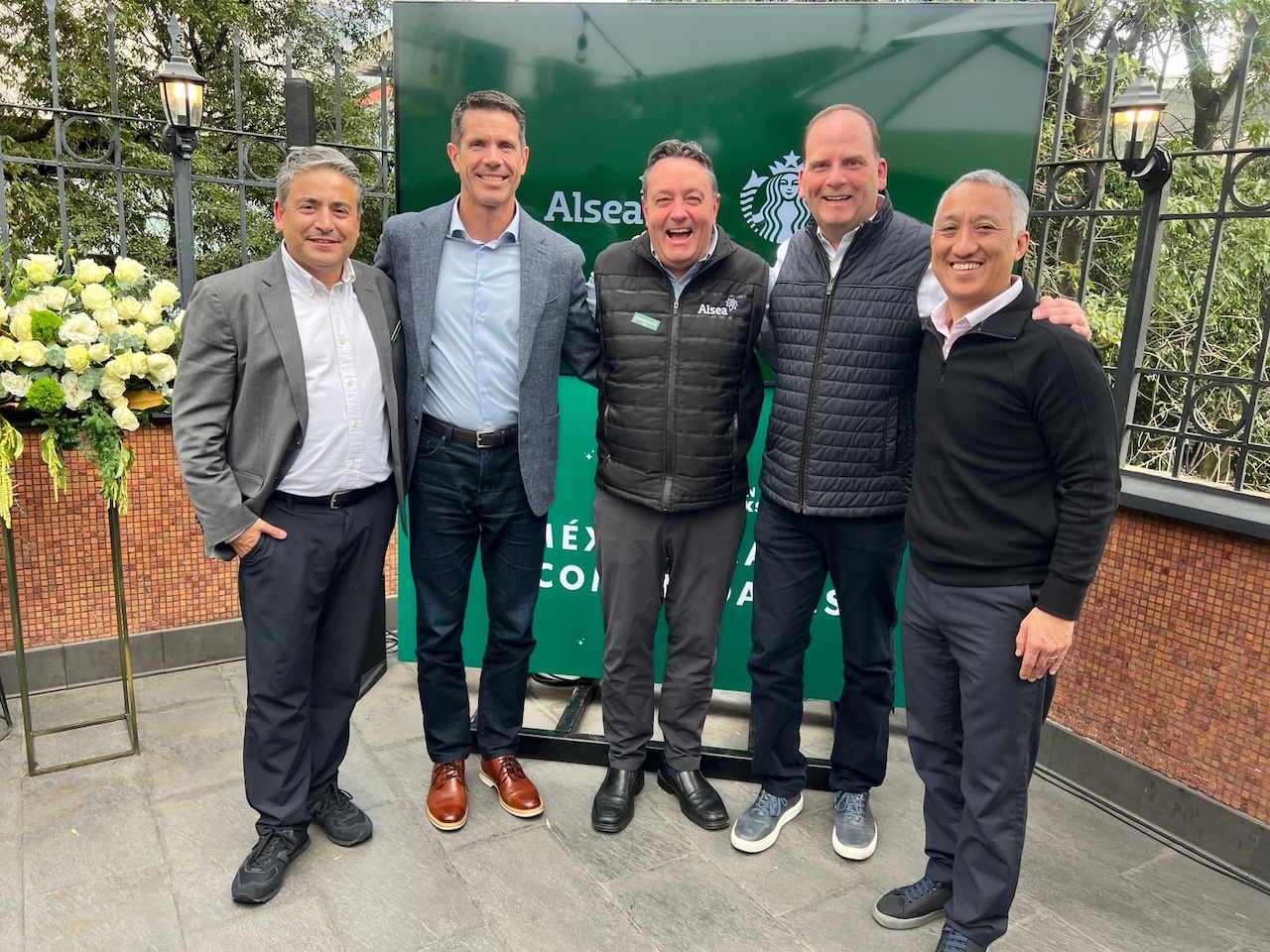
Starbucks Mexico commits to social investment and community transformation through partnerships, inclusion programs, and rural empowerment initiatives, as detailed by leaders Brady Brewer and Christian Gurría.
With the intention of combating the social divide, Starbucks Mexico has assumed the role of becoming an agent of change. Through social investments, community programs, alliances with foundations, and strategies to empower its partners (employees), the company—globally led by Brady Brewer, CEO of Starbucks International and President of The Starbucks Foundation, and operated in Mexico by Alsea—positions itself as a business model committed to economic growth coupled with humanity. In this regard, Brewer and Christian Gurría, CEO of
provided information to the press at an event held this Wednesday in Mexico City. During the gathering, in which Líder Empresarial participated, they shared the vision, motivations, and impact of the social strategy Starbucks is promoting in Mexico, which will be strengthened in 2026 with new investments and programs aimed at transforming entire communities.
The Humanist Philosophy Guiding Starbucks in Mexico
Brady Brewer does not hesitate when asked why he has remained with the company for nearly 25 years. His answer reflects the brand’s essence: “I came to Starbucks for the mission, and I have stayed here for the values… because it is a company where we believe in the idea of performance through the lens of humanity.” For Brewer, Starbucks is much more than economic growth. It is proof that a business can be successful while creating deep human connections: “We want to grow, to be a successful, well-managed, high-performing company… but through the lens of humanity, it means we care about the people who work at Starbucks and the community around our stores.” The brand serves 100 million customers monthly worldwide, and each cup, Brewer states, is an opportunity to uplift someone’s day: “If we treat someone with respect and a sense of belonging, we can uplift 100 million people a month. And the world needs it.” This conviction translates into programs for inclusion, community support, sustainable food practices, and youth empowerment; initiatives that do not originate in Seattle, Brewer clarifies, but rather from active listening with Alsea and Mexican partners: “We don’t decide in Seattle what to do in Mexico. We speak with Alsea, with the store partners, and we ask: what is most important for Mexico? It’s their choice; we provide support.”
Social Investment: Starbucks Mexico to Allocate Resources to the World Food Program
One of the strongest commitments for 2025 is Starbucks Mexico’s collaboration with the World Food Program (WFP), supported by The Starbucks Foundation and the Alsea Foundation. Christian Gurría announced that, from December 8 to 14, a percentage of sales in the country will be donated to this global cause: “Between December 8 and 14, a percentage of sales will be donated to the World Food Program… We want to continue supporting these causes in collaboration with the United Nations.” This initiative is part of the brand’s commitment to access to adequate nutrition, especially in vulnerable communities: “As a food and beverage company, offering the community the opportunity for sustainable nutritional well-being is fundamental,” added Brewer.
Community at the Core: Projects Originating from Stores
For Alsea, the brand’s operator in Mexico since 2002, Starbucks has been an inspiration that transcended coffee to permeate the group’s corporate culture across the 13 countries where it operates. Gurría recalls that the initial community efforts emerged organically within the stores: “Some partners wanted to help children with cancer… others, street dogs… others, senior citizens. Each store did something different.” However, over time, this spirit became structured to focus efforts on one of the country’s most urgent needs: adequate early childhood nutrition. “If we don’t provide children with proper nutrition at an early age, their brains won’t develop. Education opens doors for them, but nutrition opens the door to education.” Since then, Starbucks and Alsea have promoted child nutrition initiatives, food banks, and food support programs in various regions.
Stores with Purpose: Workplace Inclusion for Senior Citizens and People with Disabilities
One of the most emblematic stories of Starbucks Mexico’s social commitment is the opening of stores primarily operated by senior citizens. According to Gurría, many initially thought it was an impossible idea: “They told us we were crazy… We had to adapt the store, lower spaces, remove uneven surfaces… But we achieved it, and it has been replicated.” In addition, this includes the inclusion of people with disabilities, including deaf partners who serve entirely in sign language. Brewer shared his experience at a store 100% operated by deaf individuals in India: “If it weren’t for Starbucks, I would probably be working in the back of a hotel. But Starbucks doesn’t hide me; it puts me at the forefront.” That model has also arrived in Mexico and continues to expand.
Rural Empowerment: Women Coffee Growers in Puebla
The commitment also extends to the origin of coffee. Gurría shared a recent experience of taking French partners from Alsea to the Sierra de Puebla, where Starbucks collaborates with a community of women producers: “100% of the coffee there is cultivated, planted, processed, and harvested by women.” In addition to purchasing coffee, Starbucks and Alsea donated a wet mill so that the producers can process their own coffee and improve their income: “The pride with which they welcomed us… that is priceless.” The power of social impact is also reflected in consumers. Gurría recounted the story of a customer in Puebla who, years ago, was a strong critic of the brand: “He was one of Starbucks’ biggest detractors… Now he comes daily, sometimes twice a day.” After visiting a farm where Starbucks purchased coffee, he changed his perception. For Gurría, that story summarizes why brands should communicate more about their social efforts: “We do what’s right beyond marketing… but these stories generate more resources to continue helping.”
You might also be interested in:
The entry
first appeared in Líder Empresarial.
More Articles
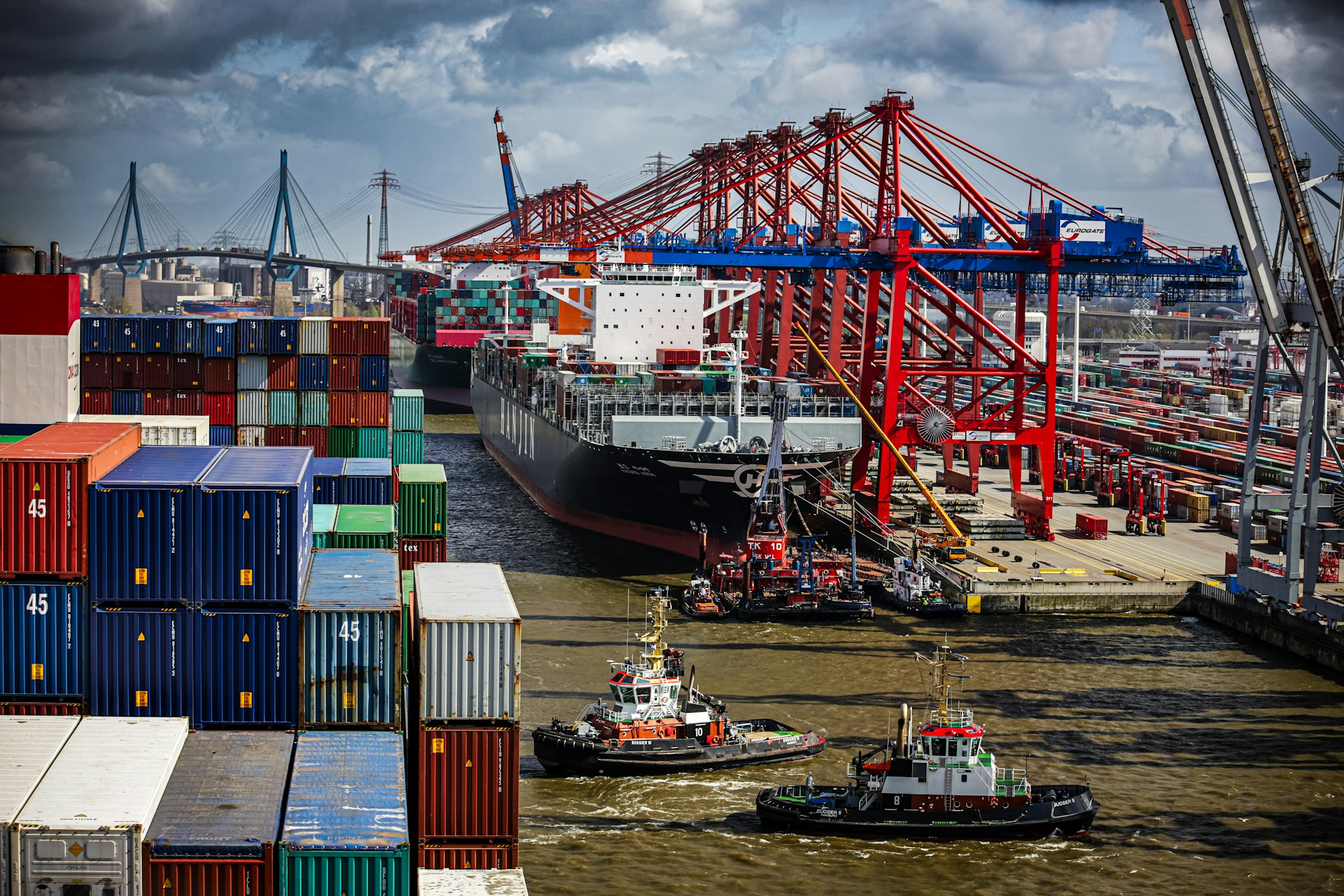
Asian Imports to Mexico Decline in 2026: Economic Impact on National Economy?
Jul 22, 2026
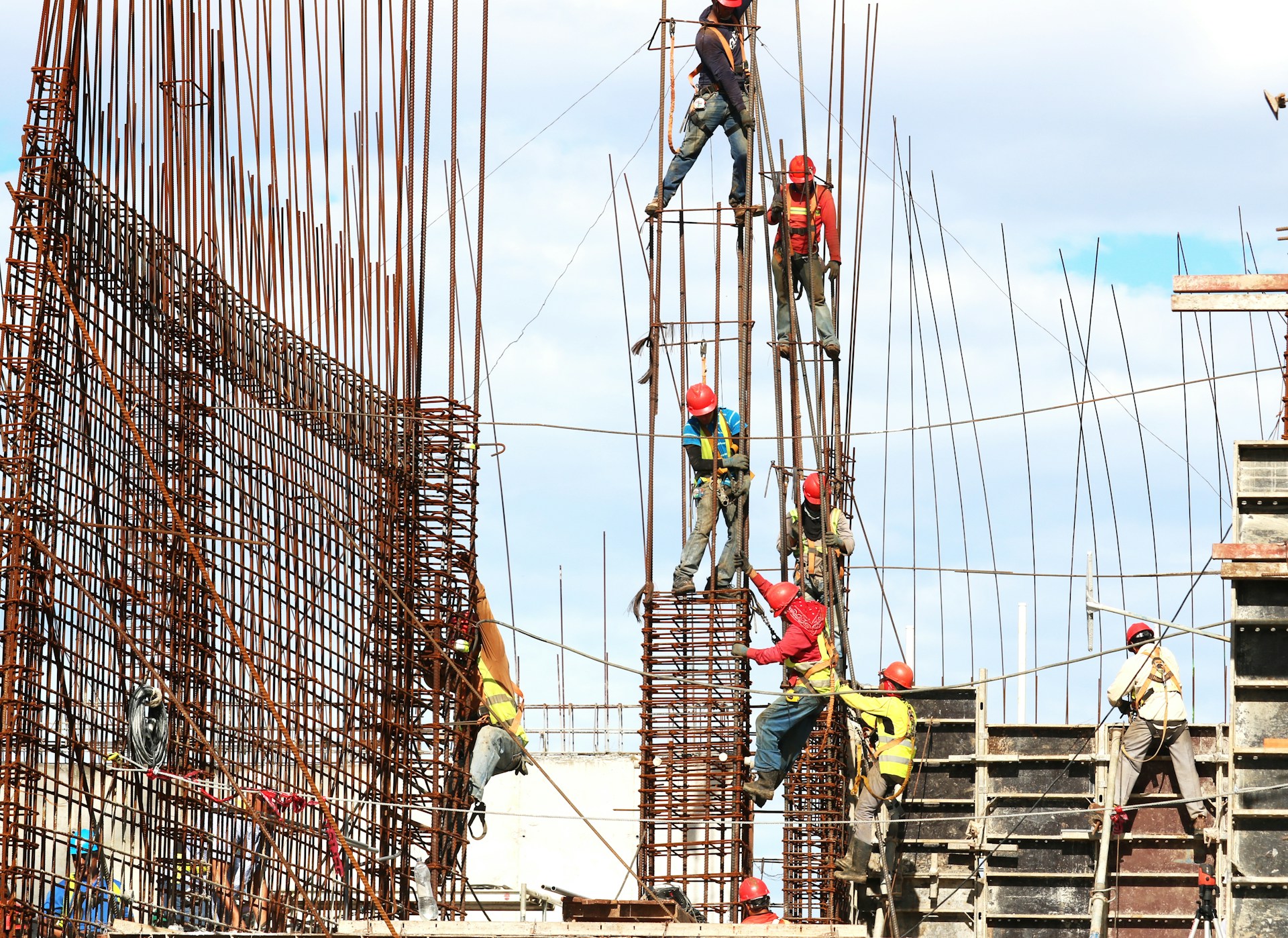
Aguascalientes Construction Firms See Nearly 20% Production Increase, INEGI Reports
Jul 24, 2026
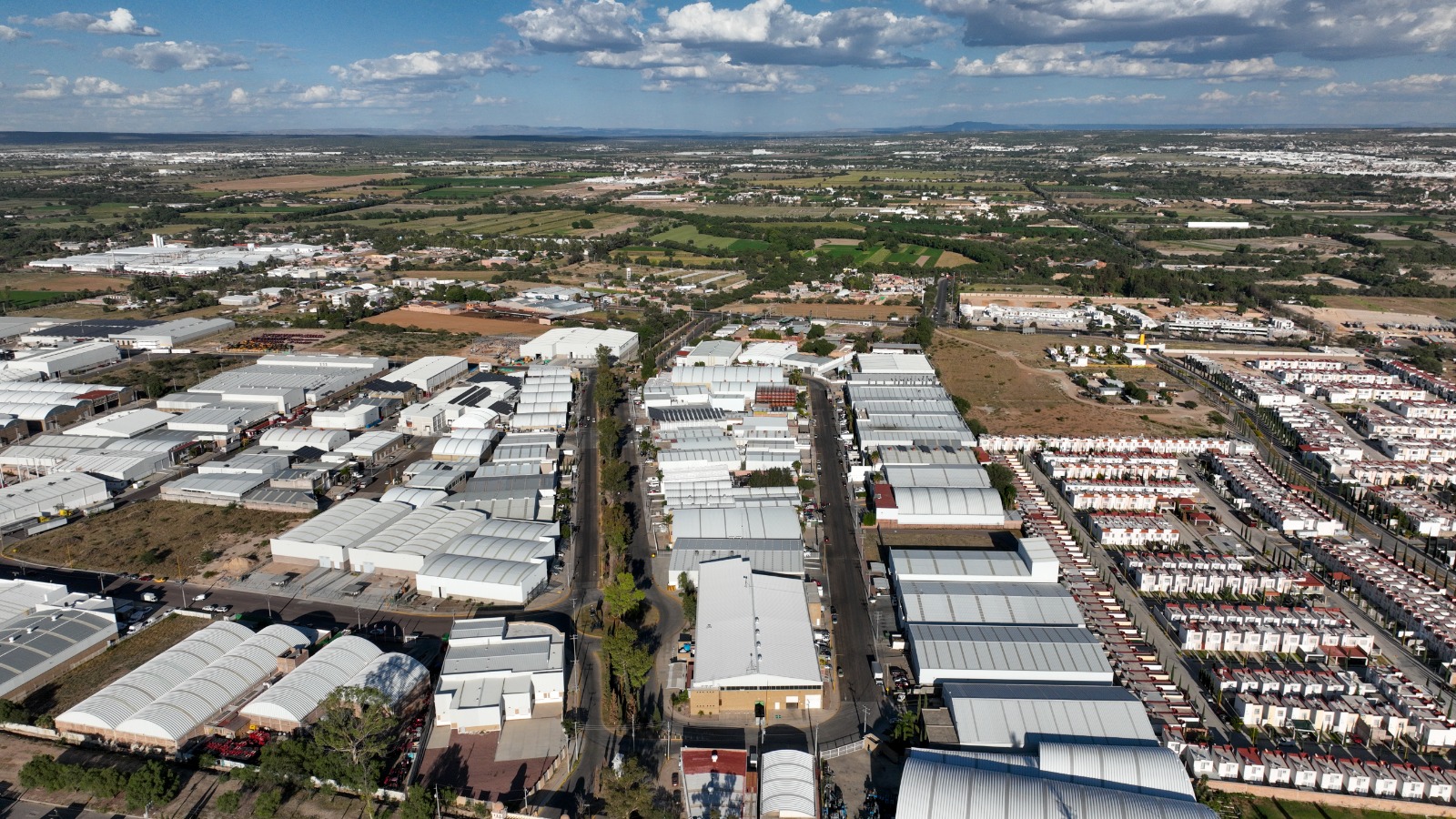
Aguascalientes Sees 211% Surge in Foreign Direct Investment for Q1 2026
Jul 14, 2026
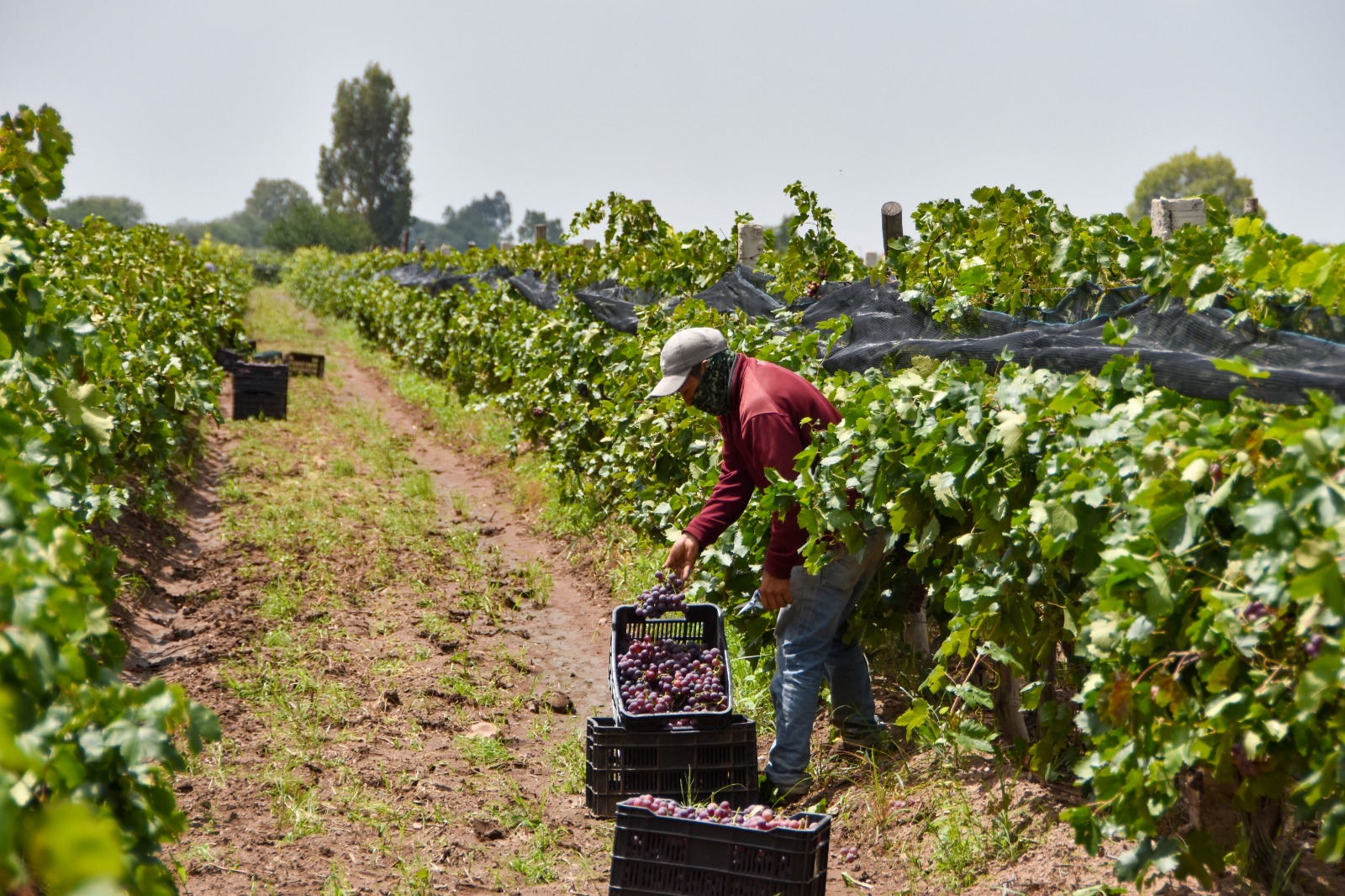
Aguascalientes Ranks Fifth in Grape Production in Mexico, Confirms Viticulture Council
Jul 27, 2026
Brazil Tariffs: Mexico's New Gateway to the United States?
Jul 16, 2026
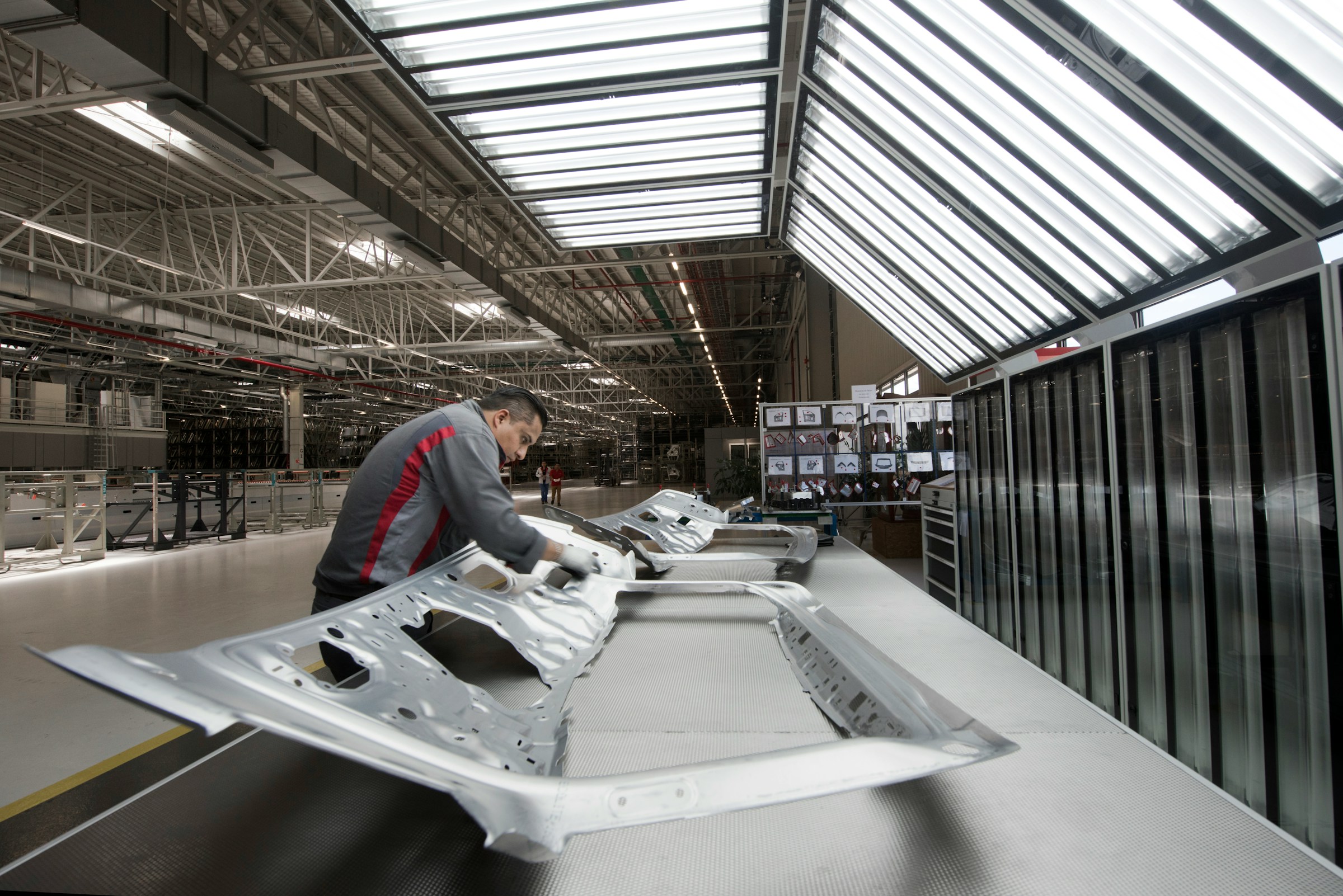
Automakers Shift Strategy; Suppliers Must Adapt: SLP Automotive Cluster
Jul 20, 2026