
Trump Calls USMCA Irrelevant: Effects and Impact
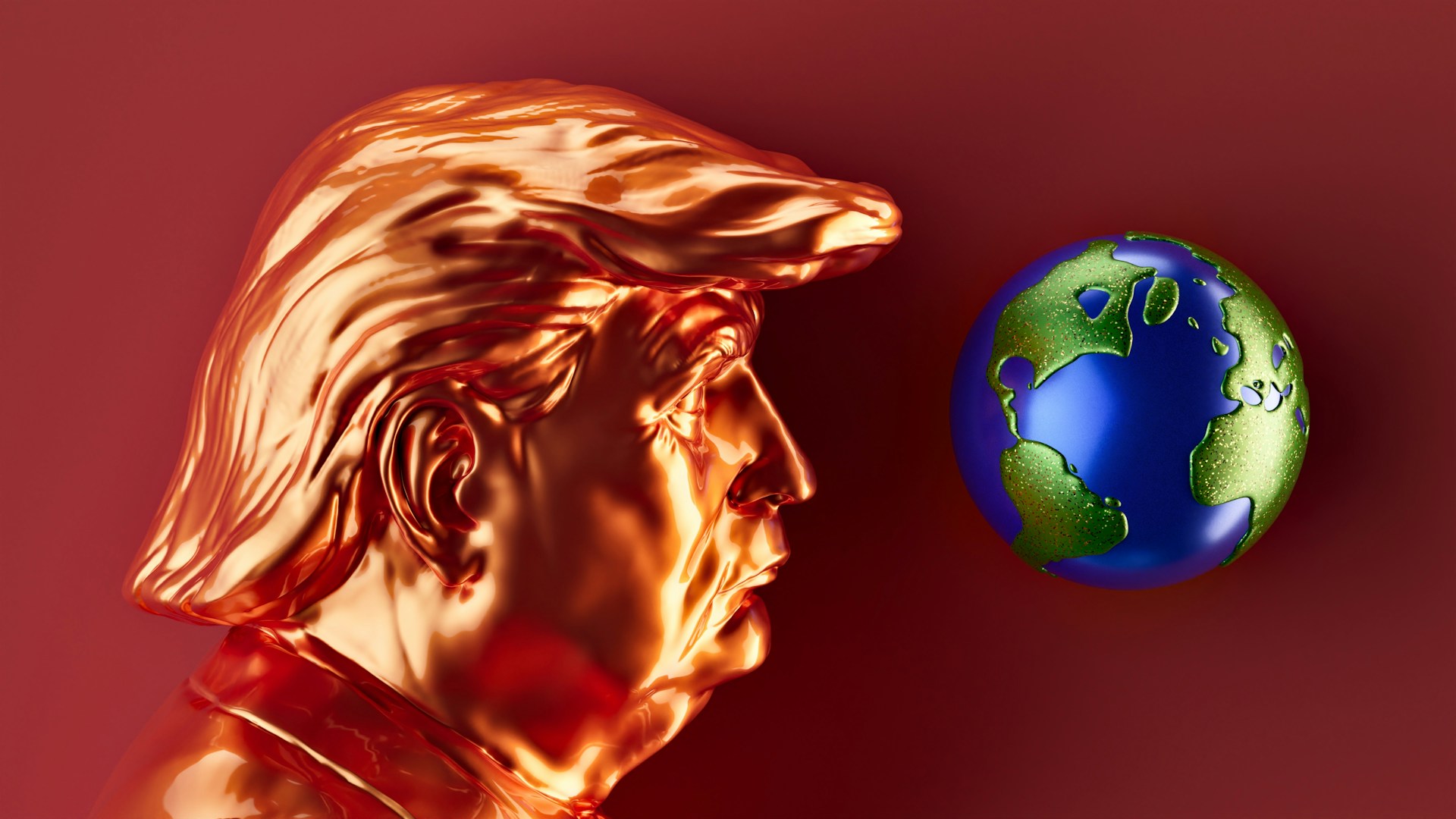
Donald Trump dismisses the USMCA trade agreement as irrelevant, raising concerns for the automotive industry and future trade relations amid geopolitical tensions.
During a strategic tour of a Ford plant in Michigan, President Donald Trump downplayed the current trade agreement. The President told reporters that the USMCA is irrelevant to the economic interests of the United States. These statements emerge at a critical time for the industry, just as automakers are defining their long-term investment plans.
Ford CEO Jim Farley has previously expressed the pressure facing the sector. According to Farley, tariff advantages give competitors like Toyota a cost advantage of up to $10,000 per vehicle. Ford and other manufacturers have urged the maintenance of competitive conditions for production in North Americahttps://www.liderempresarial.com/tension-armamentista-con-eua-cuales-son-las-consecuencias-para-los-consumidores/a. However, rhetoric from the White House suggests a hardening of trade policy. Trump emphasized that his priority is total domestic manufacturing. “The problem is we don’t need their product. We don’t need cars made in Canada. We don’t need cars made in Mexico. We want to make them here,” the president stated during his visit to Dearborn.
Is North American Trade Truly Dispensable?
Despite labeling the pact as irrelevant, industry data reveals a different reality. Automotive supply chains are deeply integrated among the three countries. Severing these ties could disrupt production and raise
The report presented by Jamieson Greer, trade representative, to Congress highlights the private sector’s stance. According to the document, nearly 150 business witnesses expressed support for preserving market access. Most agricultural and manufacturing associations emphasized the importance of maintaining the treaty’s key benefits. The U.S. President insists that the agreement disproportionately benefits its partners. “It has no real advantage, it’s irrelevant. Canada would love it. Canada wants it. They need it,” Trump stated.
The Future of the Joint Review in 2026
The current uncertainty complicates the outlook for the treaty’s mandatory review. The USMCA includes a review clause scheduled for July 1, 2026. Possible scenarios include: -Successful Renewal: If all three countries agree, the agreement is extended for another 16 years. -Annual Reviews: If no consensus is reached, reviews will be conducted annually until an agreement is achieved or until its expiration in 2036. -Bilateral Agreements: There is the possibility of fragmenting the pact into individual country-specific treaties.
Experts consulted by Bloomberg doubt that the United States will abruptly break the agreement. The joint organization of the 2026 FIFA World Cup requires close cooperation among the nations. Nevertheless, the stance that the treaty is irrelevant functions as an aggressive negotiating strategy.
Geopolitical Tensions and Regional Economic Repercussions
The outlook becomes more complicated when considering factors external to the automotive industry. The recent
and geopolitical conflicts in Latin America add volatility to the equation. Román Moreno, an economist at UNAM, explained the financial consequences of this instability for Líder Empresarial.
According to the specialist, the threat of military actions or sanctions taints the USMCA negotiation table. This increases the probability of scenarios with stricter rules of origin. “If the USMCA review is accompanied by tensions, supply chains may relocate or demand greater national content with increasing costs,” Moreno stated.
The analyst warns that companies internalize these political risks. This causes plant location decisions to be postponed or to require higher insurance premiums. Although the pass-through effect (transfer of costs to inflation) is smaller than in past decades, it is not negligible. Costs could be reflected in the final price of basic goods and logistics services.
This situation forces investors to closely monitor not only macroeconomic indicators but also the political tone from Washington.
More Articles

Financial Markets Today: Oil Rises and Mexican Peso Faces Pressure Due to USMCA
Jul 20, 2026

DIVEX B2B 2026: León to Host Business Gathering Featuring Over 600 Scheduled Meetings
Jul 29, 2026
Aguascalientes Sees 211% Surge in Foreign Direct Investment for Q1 2026
Jul 14, 2026
Aguascalientes Construction Firms See Nearly 20% Production Increase, INEGI Reports
Jul 24, 2026

CANACOPE Querétaro Warns of Informal Sales of World Cup Products
Jul 7, 2026
Mexico-US Trade Deficit Reaches $197 Billion: Is Trump Preparing New Tariffs?
Jul 16, 2026