
Middle East Conflict Halts Maritime Routes: How Does it Affect Mexico's Logistics?
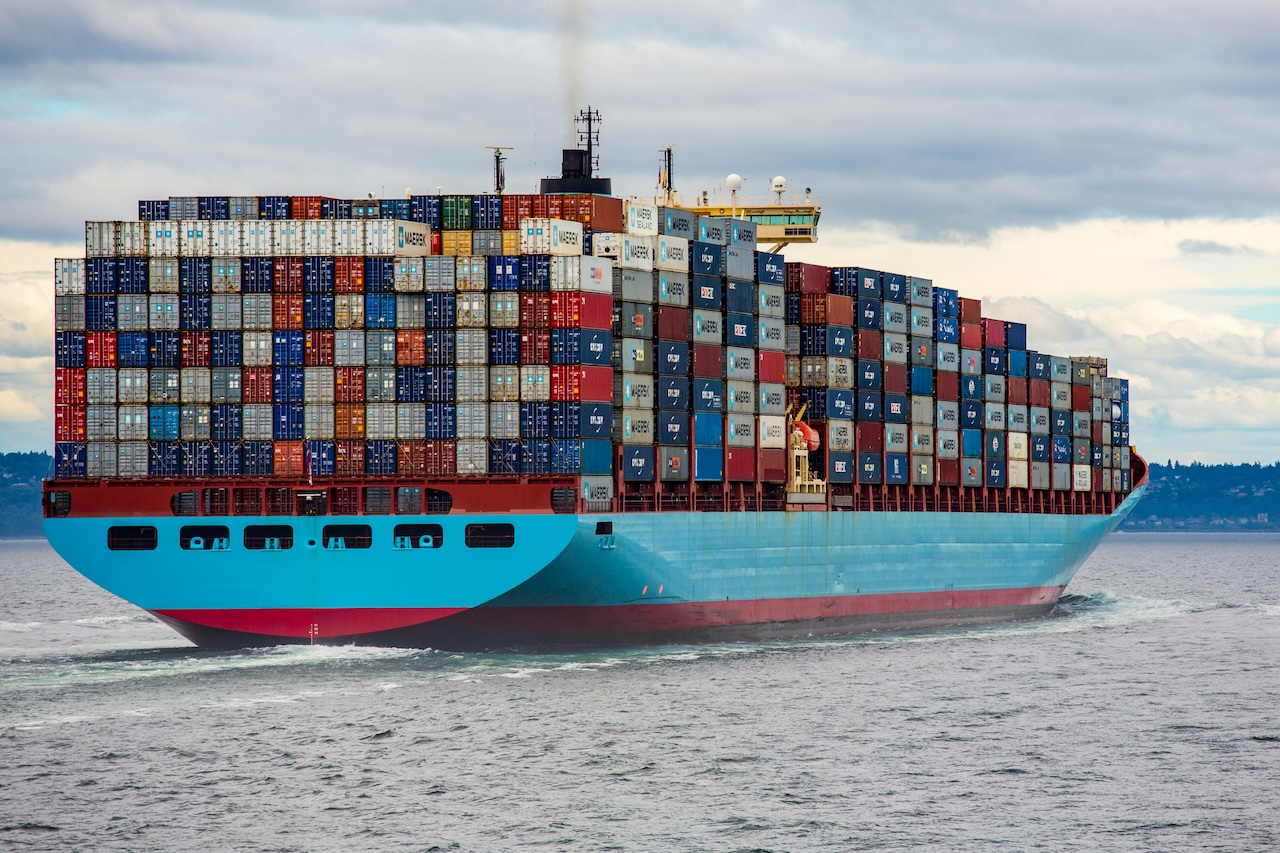
The escalating Middle East conflict is disrupting global shipping, impacting energy flows and supply chains, leading to higher costs and logistical delays for Mexico.
The escalation of the conflict between Iran and the United States has ceased to be a latent threat and has become a real and measurable disruptive factor in global trade. Strategic maritime routes have begun to be paralyzed, energy flows have been interrupted, and international supply chains face a new episode of operational stress. For economies highly integrated into foreign trade, the impact translates into higher costs, logistical delays, and
inflationary pressures.
At the heart of this crisis is the Strait of Hormuz, through which nearly 20% of the world’s consumed oil passes, in addition to significant volumes of liquefied natural gas. Iran’s warning about a lack of security conditions, coupled with direct attacks on vessels, triggered an immediate reaction from the shipping and energy industries.
The Strait of Hormuz: The Bottleneck Shaking Global Trade
The disruption of the Strait of Hormuz has immediate systemic effects. In recent days, maritime insecurity has ceased to be a hypothesis and has become an operational impediment, with vessels attacked, dozens of ships detained, and a drastic reduction in tanker traffic, with declines close to 70%.
The direct consequence has been the suspension of crude and gas shipments by major energy operators, as well as the withdrawal of tanker vessels that opted to anchor outside the risk zone. Markets reacted immediately: Brent crude registered significant increases, and energy derivatives, such as diesel and natural gas, began to reflect upward pressures, anticipating global inflationary impacts.
For Mexico, which imports key energy inputs and relies on international logistics chains for its manufacturing sector, this energy shock translates into higher production and transportation costs.
Global Shipping Companies Halt Operations and Redraw the Maritime Map
The conflict triggered a defensive response from the world’s leading shipping companies. Companies such as Maersk, MSC, and Hapag-Lloyd suspended transit through the Strait of Hormuz or adjusted their itineraries, warning of structural delays in services connecting Asia, the Middle East, Europe, and America.
Similar moves by Asian and Japanese shipping lines joined these decisions, opting for massive diversions due to transit prohibitions and increased war risk. In parallel, traditional routes began to be redirected around the Cape of Good Hope, an alternative that implies additional weeks of navigation, higher fuel consumption, and slower fleet rotation.
This scenario revives dynamics already known during the pandemic and the Red Sea crisis:
- Reduced container availability
- Increase in freight rates
- Saturation of alternative ports
- Greater volatility in delivery times
Beyond direct attacks, the factor that is de facto paralyzing maritime trade is insurance risk. Several international insurers began to deny coverage for routes considered war zones, which prevents operations even when physical transit is not formally closed.
In addition to this, there are military warnings, vessel interceptions, and the impossibility of guaranteeing the safety of crews and cargo. In practical terms, global trade faces an operational blockade affecting both containerized cargo and energy.
Port Congestion and Ripple Effects
The forced reconfiguration of routes is generating secondary bottlenecks. Alternative ports face increasing risks of congestion due to the accumulation of diverted vessels and the massive, unscheduled arrival of containers.
Strategic facilities in the Persian Gulf have temporarily suspended operations, affecting the regional redistribution of goods and energy cargo. The impact extends to industrial inventories, production lines, and global logistics costs, especially in energy-intensive and maritime transport sectors.
How Does This Logistics Crisis Impact Mexico?
Mexico is not an isolated player on this board. Its integration into global trade makes it particularly susceptible to external disruptions. In past conflicts in the Middle East, the Mexican Institute of Finance Executives (IMEF) warned that a prolonged scenario of instability in the Middle East could generate significant disruption in the supply chains on which a large part of the region’s imports and exports depend.
Key impacts for Mexican logistics include:
- Increase in operating costs
- More expensive maritime freight
- Rise in fuel prices
- Increasing port tariffs
- Delays in strategic imports
Mexico depends on the import of petrochemicals, fertilizers, and industrial inputs originating—directly or indirectly—from regions linked to the Persian Gulf.
- Greater pressure on inventories and planning
Prolonged diversions make it difficult to forecast delivery times and increase the risk of stockouts.
Key Logistics Risks and Mitigation Actions for Mexican Companies
- Instability in strategic maritime routes: The possible total closure of Hormuz would immediately raise transport and fuel costs.
- Operational risks in international air routes: The closure of airspace over Iran and Iraq affects the shortest routes between Europe, Asia, and America, reducing the supply of cargo flights.
- Congestion in key port hubs: The suspension or redirection of services in ports like Jebel Ali and Haifa threatens to generate massive congestion in Asia.
- Regulatory changes and increased customs scrutiny: The intensification of the conflict drives stricter controls on operations originating from risk zones.
You can also read:
The post
More Articles

NTechnology Innovates in Artificial Intelligence Use with Students
Feb 12, 2026

Huawei to Boost Training at the University of Guanajuato
Feb 12, 2026

Which Banks Will Not Open Today, February 23, in Mexico? Institutions Affected by Violence
Feb 23, 2026

US and Canada Issue Travel Warnings for Mexico: Potential Impact on International Tourism and Foreign Exchange Revenue
Feb 22, 2026

FIFA Fan Fest 2026 in Guadalajara: Location and Activities
Feb 9, 2026

Guanajuato: The Map of Giants Sustaining Employment in the State
Feb 25, 2026