
Trump Raises Tariffs on Canadian Autos and Steel: Implications for Mexico and USMCA
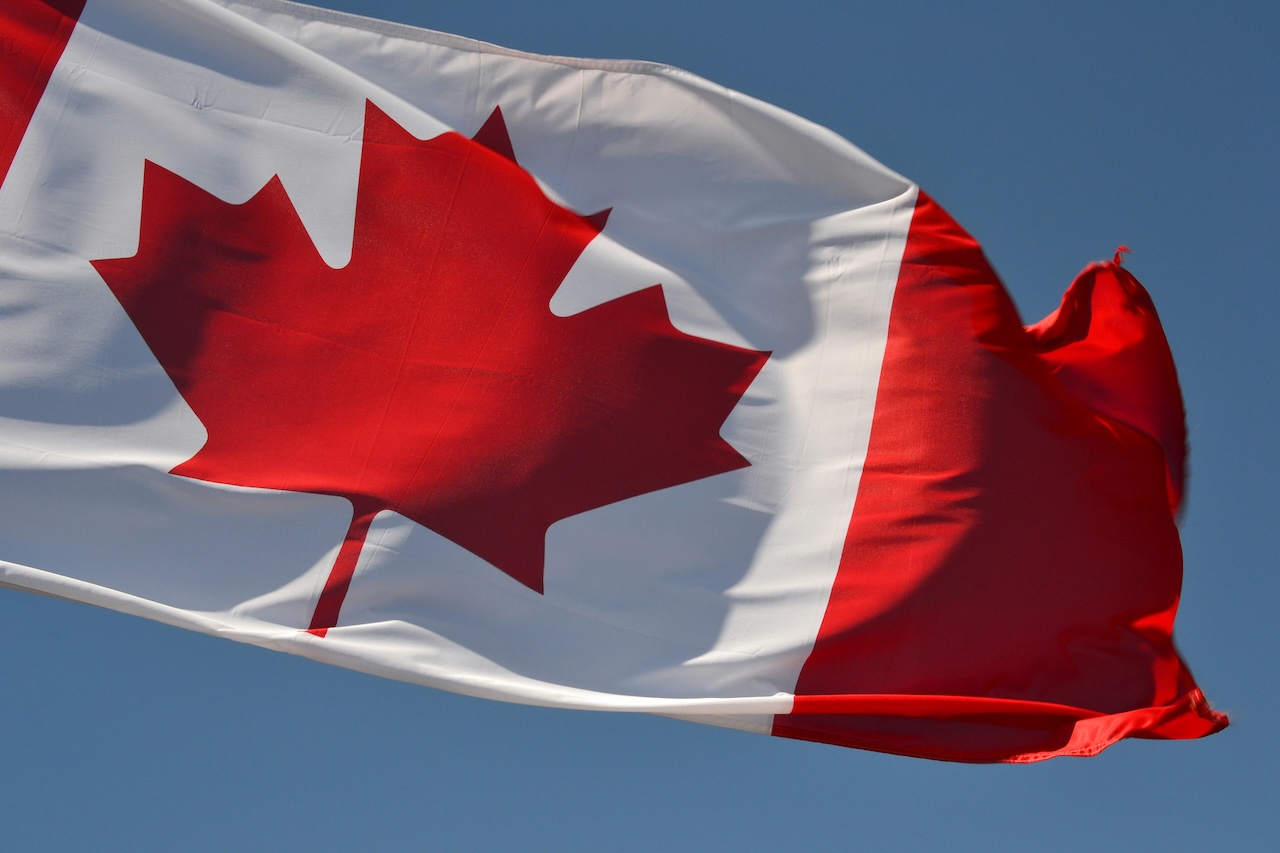
The U.S. imposes new tariffs on Canadian vehicles and steel, impacting regional supply chains and ongoing USMCA negotiations.
Trump Raises Tariffs on Canadian Autos and Steel: Implications for Mexico and USMCA
President Donald Trump announced on Monday that, effective January 1, 2027, automobiles, trucks, auto parts, and steel originating from Canada will face tariffs of up to 50%. This measure intensifies the trade war between the two countries, occurring while Mexico and the United States advance in the review of the USMCA.
The announcement comes just days after negotiations between Washington and Ottawa failed. The U.S. government had already begun applying a 50% tariff on approximately $20 billion worth of Canadian products, while Prime Minister Mark Carney anticipated equivalent retaliatory measures starting September 8.
For Mexico, this episode represents more than just a bilateral conflict between its two trading partners. The Mexican automotive, steel, and auto parts industries are closely linked to the United States and Canada through regional supply chains. Therefore, any alteration in costs, rules of origin, or investment flows could ultimately affect plants, suppliers, and jobs located within national territory.
Furthermore, the USMCA is undergoing its first joint review, while Mexico and the United States are engaged in bilateral discussions on automobiles, steel, aluminum, rules of origin, economic security, and supply chains. The third round was held in July in Mexico City, and both governments agreed to continue negotiations in September.
What Did Trump Announce Regarding Tariffs on Canada, and Why Does It Matter to Mexico?
Donald Trump announced via his Truth Social platform that tariffs on all automobiles, trucks, vans, auto parts, and steel from Canada will be raised to 50% starting January 1, 2027. The president also indicated that vehicles manufactured in the United States would be exempt, reinforcing his strategy to incentivize domestic production.
This measure represents a new escalation after Washington and Ottawa failed to reach a trade agreement. The United States had already invoked Section 338 of the Tariff Act of 1930 to impose additional duties on certain Canadian products, arguing that Ottawa’s policies discriminated against U.S. trade.
Canada, for its part, is preparing an equivalent response. Mark Carney announced that his government will implement dollar-for-dollar retaliatory measures and is considering strategic sectors, including some linked to energy and critical minerals.
In Mexico, the primary focus is on the effect this dispute may have on North American production chains.
The main implications for Mexico are:
- Increased Pressure on the Automotive Industry: Mexico, the United States, and Canada do not produce vehicles in isolation. A single unit can incorporate steel, auto parts, electronic components, and other inputs from various points in the region. A 50% tariff can alter costs and sourcing decisions.
- Risk for Mexican Suppliers: Mexican companies that sell auto parts or components to U.S. or Canadian plants could face changes in demand if automakers modify their supply chains to reduce exposure to Canadian products.
- Greater Attractiveness for Mexico as a Production Platform: Simultaneously, the crisis may present an opportunity to substitute certain inputs sourced from Canada. U.S. companies might seek suppliers within Mexico to reduce costs and maintain greater regional integration.
- Pressure on the Steel Sector: Steel is a transversal input for automobiles, machinery, construction, and manufacturing. An alteration in trade between the U.S. and Canada can affect steel prices and availability across North America.
- Increased Uncertainty for New Investments: Companies considering establishing a plant in Mexico need to understand not only labor or logistics costs but also the tariff treatment their products will receive upon entering the United States.
- Greater Pressure During USMCA Review: Washington has already prioritized rules of origin, steel, aluminum, and automobiles in its negotiations with Mexico.
Mexico Holds a Strategic Position Amidst the USMCA
The conflict between the United States and Canada arrives at a particularly sensitive time for Mexico. The first joint review of the USMCA was conducted on July 1, 2026, but the United States decided not to renew the agreement in its current form. This does not mean the treaty has disappeared; the review process continues, and negotiations remain open.
In fact, Mexico and the United States have already held three bilateral rounds during 2026. Among the issues addressed are precisely the sectors now under renewed pressure: automobiles, steel, aluminum, and regional supply chains.
Following the third round, the Ministry of Economy stated that Mexico maintains an tariff advantage over other trading partners, as 85% of Mexican exports retain zero tariffs to the United States. It also highlighted progress in steel, aluminum, strategic sectors, and the strengthening of value chains.
This margin could become one of Mexico’s primary assets in the face of the new trade dispute.
What Can Mexico Gain from the Canada-U.S. Crisis?
- Attract investments seeking to produce within North America.
- Substitute Canadian suppliers in certain industrial chains.
- Strengthen Mexican supply of auto parts and steel.
- Increase the integration of regional production chains.
- Leverage its geographic and logistical position relative to the U.S. market.
- Utilize the USMCA as an argument to preserve preferential conditions.
However, this opportunity also has its limits. If the Trump administration decides to broadly tighten tariff treatment within the USMCA, Mexico could transition from being an indirect beneficiary of the dispute to one of its affected parties.
Therefore, the objective for Mexican companies will not only be to attract operations moving out of Canada. They must also prepare for a scenario where rules of origin, regional content, and U.S. criteria for granting preferences become increasingly stringent.
USMCA: Trade War Tests North American Integration
One of the greatest risks is that Washington’s measures could weaken the principle of regional integration that gave rise to the USMCA. The logic of the agreement is for Mexico, the United States, and Canada to function as an integrated production platform. The automotive sector is likely the best example, as components and raw materials can cross borders multiple times before a vehicle reaches the final consumer.
Imposing high tariffs on one of the members can generate effects that do not stay within the penalized country. An increase in the cost of Canadian steel can raise costs for U.S. manufacturers; a drop in Canadian vehicle production can affect Mexican suppliers; and a reorganization of plants can alter logistics routes and investment decisions.
Meanwhile, the USTR has acknowledged that one of the objectives of the USMCA review is to strengthen North American supply chains and increase regional production. Mexico and the United States have also agreed on the need to bolster regional manufacturing and reduce dependence on external suppliers.
The problem is that U.S. tariff policy may move in the opposite direction.
Four Risks Mexico Must Monitor
- Breakdown of Regional Integration: If tariffs become a permanent tool, the shared production model loses its appeal. Companies might begin to favor plants within the United States to avoid duties, even if it entails higher costs.
- Investment Diversion: Uncertainty can lead automakers and large suppliers to reconsider projects. The United States could attempt to attract investments by promising zero tariffs for products manufactured within its territory.
- Mirror Measures: Canada’s response could trigger further retaliation. If Ottawa expands its measures to energy, minerals, or other strategic sectors, the impact could reach prices, logistics, and input availability across the region.
- Increased Pressure on Mexico: Washington could use the Canadian dispute as a benchmark to toughen its stance during the USMCA review. This precedent heightens the need for Mexico to preserve its preferential access to the U.S. market.
You Might Also Be Interested In:
The article Trump raises tariffs on Canadian autos and steel: implications for Mexico and USMCA appears first on Líder Empresarial.
More Articles

FIBRA Investments Open Opportunities for Querétaro's Industrial Market
Aug 13, 2026

The Evolution of the Point of Sale: From Cash Register to Intelligent Business Hub
Aug 14, 2026

Supply Chain Security: How Can Companies Prepare for Emerging Risks?
Aug 24, 2026

Mexico's GDP Grows 1.4% in the Second Quarter of 2026
Aug 24, 2026

Sheinbaum and Lula Discuss Collaboration Between Pemex and Petrobras
Aug 14, 2026

Who Could Be Left Incommunicado This Weekend If They Don't Register Their Phone Line?
Aug 14, 2026