
US Detains Maduro: What's Next for Venezuela?
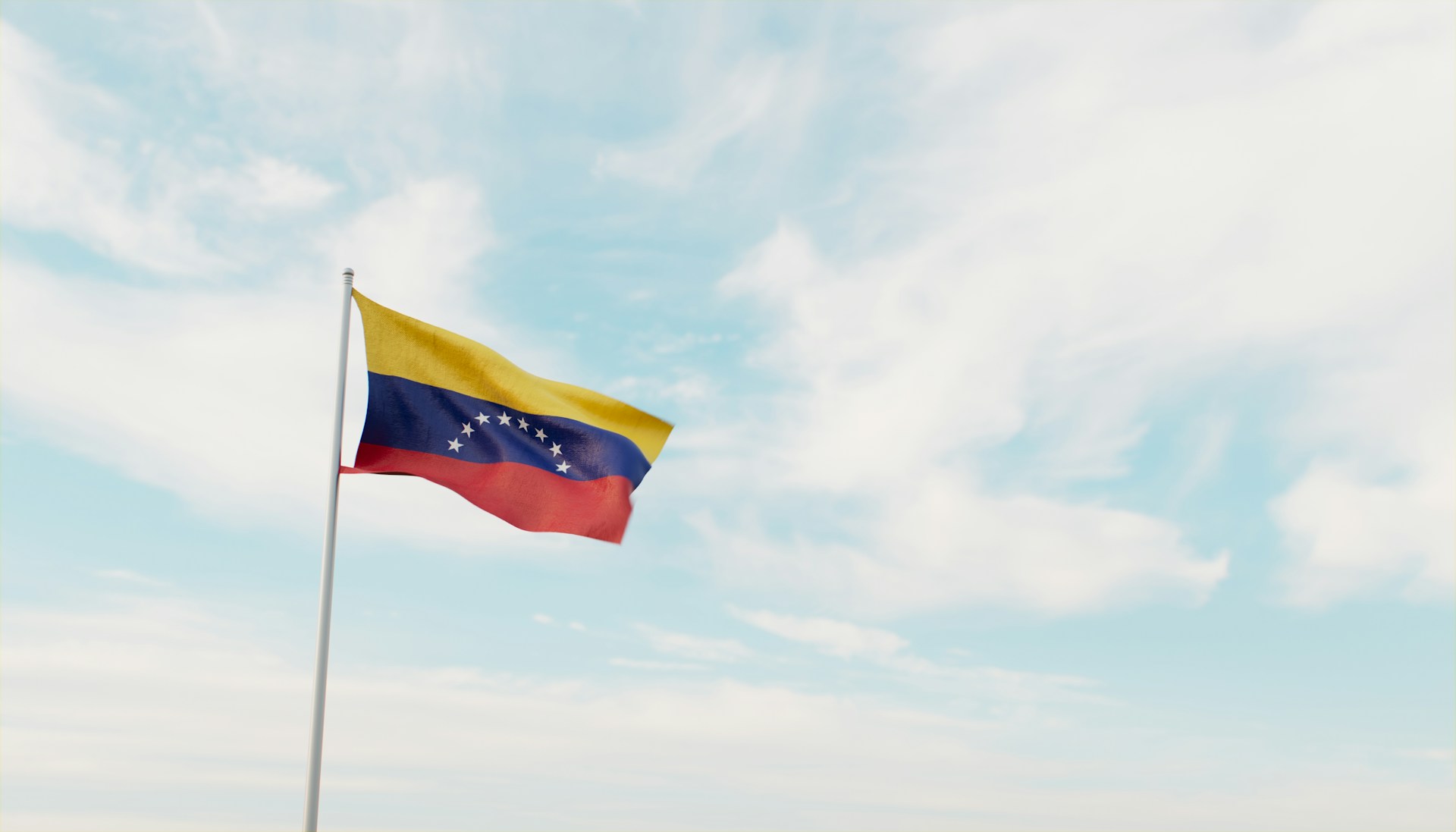
Washington announces the detention of Venezuelan President Maduro, triggering a national emergency and raising questions about power succession and the country's future.
An unexpected turn of events has shaken Latin America’s political landscape following Washington’s announcement regarding the detention of the Venezuelan president. The operation, confirmed by the US President himself, places
at one of the most critical junctures in its recent history, with immediate political, legal, and geostrategic implications. The capture follows years of formal accusations for drug trafficking, terrorism, and human rights violations, thereby reconfiguring the internal balance of Chavismo and raising questions about power succession. Meanwhile, the South American nation faces a state of national emergency, institutional uncertainty, and international pressure, in a context where decisions made in the coming weeks will be decisive.
US Confirms Capture of Nicolás Maduro
U.S. President Donald Trump announced the capture of Nicolás Maduro and Cilia Flores following coordinated attacks in Caracas and other regions. Via Truth Social, Trump affirmed that the operation was successfully executed in coordination with U.S. law enforcement agencies. The White House indicated that Maduro had been transferred out of Venezuela and that further details would be provided at a conference in Mar-a-Lago.
Criminal Charges and Judicial Process in the United States
Attorney General Pam Bondi reported that Maduro faces charges in the Southern District of New York. The accusations include conspiracy to narco-terrorism, cocaine importation, possession of automatic weapons, and destructive devices. Since 2020, the U.S. government has identified him as the leader of the ‘Cartel de los Soles’ (Cartel of the Suns), an alleged criminal network linked to drug trafficking.
Venezuelan Government Reaction and State of Emergency
Vice President Delcy Rodríguez stated that the president’s whereabouts are unknown and demanded immediate proof of life. The government declared a national emergency after a night of explosions and military operations in several regions of the country. To date, no diplomatic negotiations or conditional release have been officially confirmed.
What the Venezuelan Constitution States
Article 233 of the Constitution stipulates that in the event of an absolute absence of the president during the first four years, power devolves to the vice-presidency. In such a scenario, Delcy Rodríguez would assume command while elections are called within a maximum period of 30 days. However, the actual application of this legal framework depends on the effective control of institutions.
The Internal Dispute within Chavismo
Maduro’s absence initiates a redistribution of power within Chavismo. Key figures such as Diosdado Cabello and Defense Minister Vladimir Padrino retain strong influence over the Armed Forces. To date, neither has shown public signs of negotiating a political transition.
The Opposition Celebrates, but Faces Limitations
The opposition, led by María Corina Machado and Edmundo González Urrutia, has endorsed the maximum pressure strategy. Their objective remains to uphold the electoral results of July 28, 2024. Without military or institutional control, their room for maneuver remains limited.
Regime Change or Systemic Continuity?
Maduro’s departure does not guarantee structural change in Venezuela. A significant portion of the Chavista apparatus faces accusations similar to those against the detained president. Without a negotiated transition, the country could enter a prolonged phase of political and economic instability. The detention of Nicolás Maduro represents an unprecedented event but does not resolve the Venezuelan crisis. The outcome will depend on Chavismo’s internal balance, international pressure, and the opposition’s actual capacity. This article
first appeared on Líder Empresarial.
More Articles

How Nuevo León Strengthens Its Security Strategy in 2026
Mar 19, 2026
The Cost of Global Conflict for Mexico: High Energy Prices, Inflation, and Business Pressure
Mar 30, 2026
Which Mexican Company Produces Steel with the Lowest Emissions in North America?
Mar 26, 2026

Reduced Working Hours in Mexico: Risks, Costs, and What Businesses Must Monitor
Mar 20, 2026

The Trophy Tour Arrives in Monterrey: The 2026 World Cup Trophy Exhibited at BBVA Stadium
Mar 15, 2026

Beyond Pretense: Women in Industry (Part II)
Mar 18, 2026