
What is Lyophilization and Why is it Boosting Exports in Guanajuato?
Guanajuato is leveraging lyophilization, also known as freeze-drying, to transform its agro-food industry and significantly boost exports to global markets, especially in Asia.
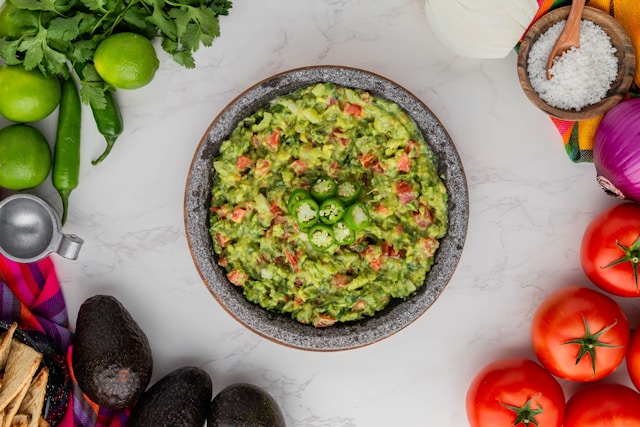
Guanajuato is bringing Mexican flavor to Asia through an innovation that is transforming its agro-food industry: lyophilization, a technology that extracts up to 97% of water from food without altering its taste, texture, or nutritional value. Luis Rojas, director of the Coordinator for Foreign Trade Promotion (COFOCE), confirmed that an agro-food company in San Miguel de Allende is pioneering the application of this process to export mole and guacamole to Japan, a market highly demanding of safety and quality standards. Learn all the details.
The Technology that Preserves Flavor, Reduces Costs, and Opens Markets
The lyophilization process —used by NASA for astronaut food and adopted by the global gourmet industry— allows dishes to reach Japan in a dehydrated format. Once at the destination, consumers only add water to reconstitute the original product with its authentic flavor, aroma, and intact nutritional properties.
According to COFOCE, this technology offers strategic advantages:
- Eliminates the need for a cold chain, reducing costs by up to 40% depending on volume.
- Extends product shelf life from weeks to over a year.
- Reduces shipping weight by 70% to 90%, thereby decreasing logistics costs.
- Retains up to 95% of nutrients, significantly higher than traditional dehydration processes.
These characteristics have enabled Guanajuato to solidify its position as a benchmark in high-value processed food exports.
Portfolio Growth: Guanajuato Fruits Reach the World
In addition to prepared dishes, the state has initiated the export of local fruits using this process. Luis Rojas confirmed:
- The first export of pomegranate under this model.
- The commencement of pitaya exports, a fruit in high demand in Asia due to its healthy profile.
Guanajuato’s agro-food sector continues to gain ground. According to COFOCE:
- The food sector is only two percentage points shy of the automotive sector in its contribution to the state’s GDP.
- Guanajuato exported over $3.2 billion in agro-food products in the last year.
- The state ships food products to over 70 countries, including Japan, the United States, Canada, the United Arab Emirates, and South Korea.
Boosting SMEs: Certification, Digitalization, and Financing
For more companies to capitalize on this growth, Rojas emphasized the need to support
in three key areas:
- International certification, essential for meeting sanitary standards.
- Logistics support and customs advisory to facilitate exports.
- Digitalization, which enables market expansion and product positioning on global platforms.
“The food sector is ready to compete globally. With innovation like lyophilization and appropriate support, Guanajuato can match and even surpass the automotive sector”, affirmed the head of COFOCE.
The entry
first appeared on Líder Empresarial.
More Articles
Querétaro's Agri-Exports Face New Trade Barriers
Aug 31, 2026

Grupo Galería Accelerates Dunkin' Expansion in Monterrey: Antonio Barceló
Sep 10, 2026

Financial Markets Today, August 17: Dollar, Fed, and Oil Define the Day
Aug 17, 2026

2027 Economic Package: Coparmex Jalisco's Proposal to Drive State Growth
Sep 8, 2026

Is the Strong Peso Creating a Financial Gap in Guanajuato?
Sep 2, 2026

Sheinbaum Submits Digital Payments Reform to Chamber of Deputies: What is it About?
Sep 9, 2026