
Will Trump Eliminate Tariffs on Mexico and Canada? U.S. Business Leaders' Call
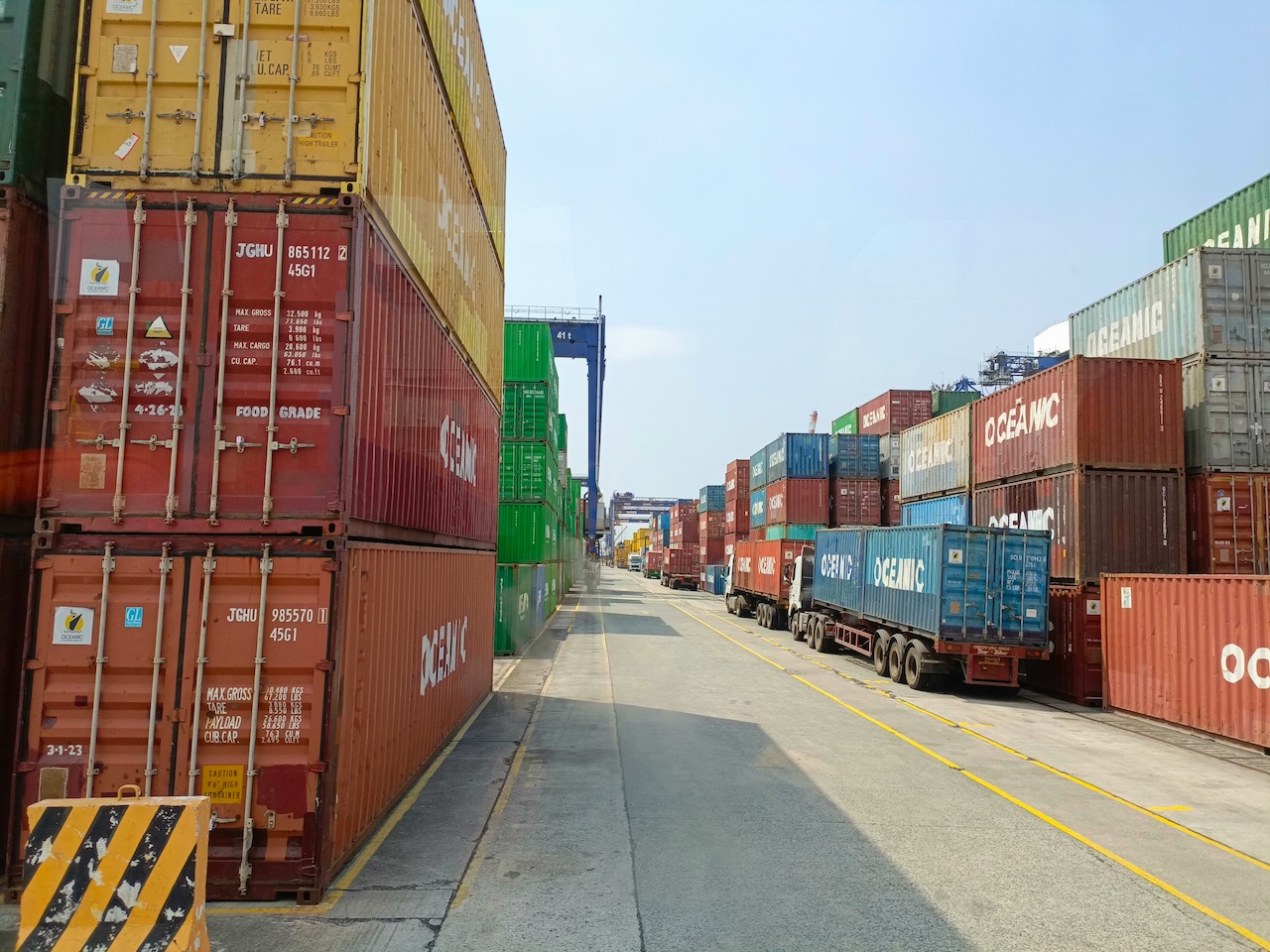
U.S. CEOs call for tariff elimination on Mexico and Canada, citing USMCA violations. Section 232 and IEEPA tariffs harm economy and security.
Chief executive officers from leading U.S. companies have urged the White House to eliminate the tariffs currently impacting trade with Mexico and Canada. This request, supported by the Business Roundtable (BRT)—one of the most influential business organizations in the United States—seeks to restore the free flow of goods under the framework of the United States-Mexico-Canada Agreement (USMCA), at a time when trade tensions are escalating again during the
The CEOs signing the petition represent companies that generate one in four jobs in the U.S. and contribute almost one-quarter of the U.S. GDP. The BRT argues that tariffs imposed under Section 232 and the International Emergency Economic Powers Act (IEEPA) are not only unjustified but also counterproductive to the U.S. economy and national security.
“Tariffs on USMCA-compliant products are counterproductive to U.S. economic and national security interests,” states the letter sent to the Office of the U.S. Trade Representative (USTR).
Under Section 232, the United States imposes tariffs of up to 50% on steel, aluminum, and copper, while tariffs under the IEEPA apply rates of 25% and 35% on products originating from Mexico and Canada that, according to Washington, do not meet USMCA conditions or do not sufficiently cooperate on issues of migration and combating fentanyl.
Since March 2025, when these levies were implemented, bilateral trade among the three countries has decreased by 7.3%, with harsher effects on U.S. exporters: exports fell by 8.9% and imports by 6.1%.
“Restoring full access to USMCA preferential trade will increase intra-North American trade, strengthen supply chains with trusted partners, and promote U.S. economic security interests,” the BRT notes.
The organization’s document emphasizes that the USMCA’s tariff-free structure must remain a pillar of North American trade, with exemptions from merchandise processing fees and no additional burdens under laws like Section 232.
The executives contend that maintaining preferential trade among the three USMCA partners is essential for regional competitiveness. Since the treaty’s entry into force in July 2020, North American goods and services exchange has grown by 37%, driven by key industrial sectors such as automotive, metallurgical, and technological.
In their petition, the CEOs emphasize the importance of USMCA institutions, such as the Competitiveness Committee, the Committee on Trade in Goods, the Committee on Trade Facilitation, and the Committee on Technical Barriers to Trade, which enable the resolution of disputes and the coordinated improvement of trade rules.
“These institutions provide the United States with the advantage of ensuring that any new concerns are properly prioritized,” explain BRT leaders.
Furthermore, they highlight that both Mexico and Canada have demonstrated a firm commitment to fair trade policies, adjusting their own measures in alignment with Washington. Canada, for instance, imposed 100% tariffs on electric vehicles imported from countries outside the USMCA, while Mexico suspended exemptions and proposed tariffs of 10% to 50% for steel, aluminum, automobile, plastics, and furniture products originating from nations without free trade agreements.
“Through these coordinated efforts, the U.S. industrial base can be strengthened alongside that of its USMCA partners,” the letter states.
While CEOs demand the elimination of tariffs, the Trump administration is moving in the opposite direction. On November 1, 2025, 25% tariffs on imported medium and heavy-duty trucks into the United States came into effect, a measure that directly impacts Mexico, the primary producer of these types of vehicles for the U.S. market.
According to data from the U.S. Department of Commerce, between January and July 2025, total imports of trucks, buses, and special vehicles reached $32.41 billion, of which $25.86 billion (nearly 80%) originated from Mexico.
This decision redefines production and logistics costs and impacts Mexican plants of Ford, General Motors, and Stellantis, which assemble a significant portion of the medium-duty vehicles supplying the U.S. market.
In contrast, the heavy-duty truck segment is produced almost entirely within the United States, with companies such as Daimler Truck North America, International, Paccar, and Volvo, meaning the impact is concentrated on the Mexican industry.
President Claudia Sheinbaum Pardo addressed the issue during a conference at the National Palace on October 31, emphasizing that her administration maintains close communication with the affected automotive companies.
“I have spoken personally with global and Mexican CEOs in the automotive sector. Some companies that closed did so due to prior decisions, not due to tariffs,” the president explained.
Sheinbaum highlighted that Mexico has strengthened coordination with U.S. and European companies to maintain productive stability, while reaffirming its commitment to USMCA compliance.
The Mexican government is also evaluating diplomatic and technical mechanisms to mitigate the impact of the new tariffs, including formal consultations within the framework of the trade agreement.
More Articles

98.4% of Employers and Entrepreneurs Would Rehire UAA Graduates, According to Study
Jul 29, 2026

Kia Mexico Earns Gold in Initial Quality with Nuevo León Plant
Jul 6, 2026

KIA to Invest $649 Million in Mexico for Electric Vehicle Production: The Winning State
Jul 29, 2026

Biofabrication 2026 Arrives in Monterrey: What Impact Will It Have on Latin American Science?
Jul 29, 2026

IMMEX 4.0: What Changes is the Private Sector Proposing for Mexican Manufacturing?
Jul 7, 2026
Nearshoring Without New Plants: How Existing Factories in Querétaro Are Growing
Jul 11, 2026