
Deputies Approve Reform to Expand ASF's Scope: What Changes?

A legislative reform strengthens Mexico's Superior Audit Office (ASF) with new investigative powers, defined deadlines, and technology to combat corruption and improve public fund oversight.
The Chamber of Deputies unanimously approved a reform to strengthen the Superior Audit Office of the Federation (ASF), aiming to expand its investigative powers over the use of public funds. With 390 votes in favor, zero against, and zero abstentions, the plenary endorsed modifications to the Federal Law on Fiscalization and Accountability and the General Law on Governmental Accounting. The bill now moves to the Senate of the Republic to continue its constitutional process.
The reform represents a structural change in the Mexican audit and oversight model, which has only existed for 26 years and undergone only three previous modifications, as highlighted by Deputy Elena Edith Segura Trejo of Morena. The legislator emphasized that “monitoring public funds is a power of this chamber,” and the ASF is the technical body that assists in this task.
New Investigative Powers
The core of the reform lies in the strengthening of article 66 bis, which grants the ASF the ability to investigate serious administrative offenses at any time, either ex officio or through citizen complaints. Deputy Irais Virginia Reyes de la Torre of Movimiento Ciudadano explained that previously, “by the time a case comes to light, the Superior Audit Office of the Federation has already completed its review of the public accounts,” and the administrative process would stall.
Now, the legislator commented, “a case arising from a journalistic investigation or reported by a citizen no longer has excuses for not being investigated and punished with the full rigor of the law.” Furthermore, article 40 will allow the ASF to directly present sanctions for serious offenses before the court.
Defined Deadlines and an End to Impunity
One of the historical problems addressed by the reform is delays in processes. Deputy Javier Octavio Herrera Borunda of the Green Party noted that “many matters prescribed because, with the delays, by the time they reached the courts, those who were negligent could shield themselves.”
The reform establishes a non-extendable period of 90 working days for the ASF to issue technical opinions and send them for investigation, in addition to 120 working days to issue a ruling after the complete process. Deputy Segura Trejo stressed that “the ASF will no longer be able to leave observations undefined. It must now resolve them, indicate that they were not resolved, or archive them within a period not exceeding 90 days.”
Technology and Sanctions
The reform introduces fines for public servants, contractors, or suppliers who fail to provide necessary information for efficient audits. Deputy Ricardo Sóstenes Mejía Berdeja of the Labor Party highlighted that “fines for partial non-compliance or omissions, not just at the end,” can be established.
In an innovative aspect, a registry of information and data related to federal funds will be created. Deputy Herrera Borunda explained that “with the use of big data and algorithms, we no longer have to act discretionally. We can observe the entirety of federal funds.”
Deputy Claudia Rivera Vivanco of Morena emphasized that the integration of new technologies “creates an unbreakable barrier against discretion,” promoting “an agile, digital, and technologically integrated audit.”
The reform contemplates the transition towards specialized audits by type of expenditure. Additionally, it establishes clear rules for agreements with state audit offices, allowing them to participate in oversight “without ever ceding the exclusive authority, leadership, and command that the Superior Audit Office holds for monitoring federal spending.” This will allow for greater territorial coverage to “reach those communities where Mexican taxpayer money arrives.”
Multi-Party Consensus
The reform was the result of collaborative work among all political forces represented in the Chamber. Legislators agreed that the bill modernizes the oversight system by incorporating technology, establishing shorter deadlines, and strengthening the ASF’s investigative capabilities.
Deputy Éctor Jaime Ramírez Barba of the PAN valued the agreement-building process, noting that when it comes to protecting public money, dialogue represents the most civilized path for legislating. From the PRI, Carlos Eduardo Gutiérrez Mancilla supported institutional strengthening, although he called for special attention to the practical implementation of the changes and the training of personnel who will operate the new tools.
A critical but constructive vision came from Deputy Mejía Berdeja of the PT, who acknowledged that historically the ASF has been perceived as an organization without teeth to truly combat corruption. The objective of this reform, the legislator explained, is to transform it into an effective institution that sanctions without distinction those who harm public assets.
With these modifications, the Chamber of Deputies lays the groundwork for more effective, timely, and participatory oversight, eliminating areas of opacity and ensuring that the national heritage exclusively serves the Mexican people.
You may also read:
The post
first appeared on Líder Empresarial.
More Articles
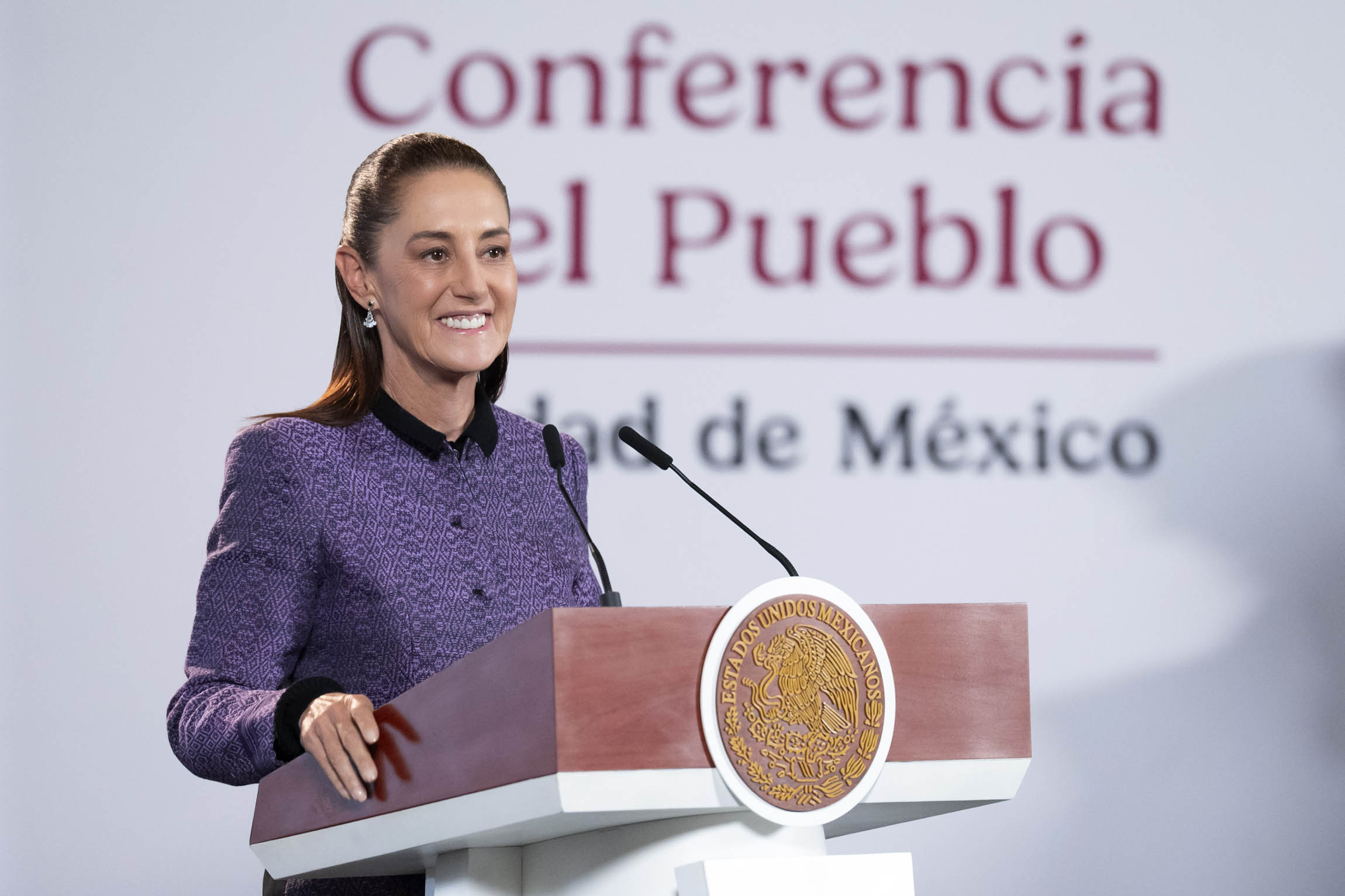
Two Years into Sheinbaum's Administration: What Labor Reforms Have Been Approved?
Oct 1, 2026

San Luis Potosí Households Report Nearly 100,000 Pesos in Quarterly Income: INEGI
Sep 28, 2026

Data Centers Drive New Cooling Technology in Mexico
Sep 23, 2026
Most In-Demand Medical Specialties in Querétaro
Sep 22, 2026

Medical Tourism in Jalisco: Potential and Key Hubs Identified
Sep 21, 2026

Can Guanajuato Convert Medical Tourism into a New High-Value Industry?
Sep 21, 2026