
Does Market Volatility Affect Today's Dollar Price? Here's How It Trades
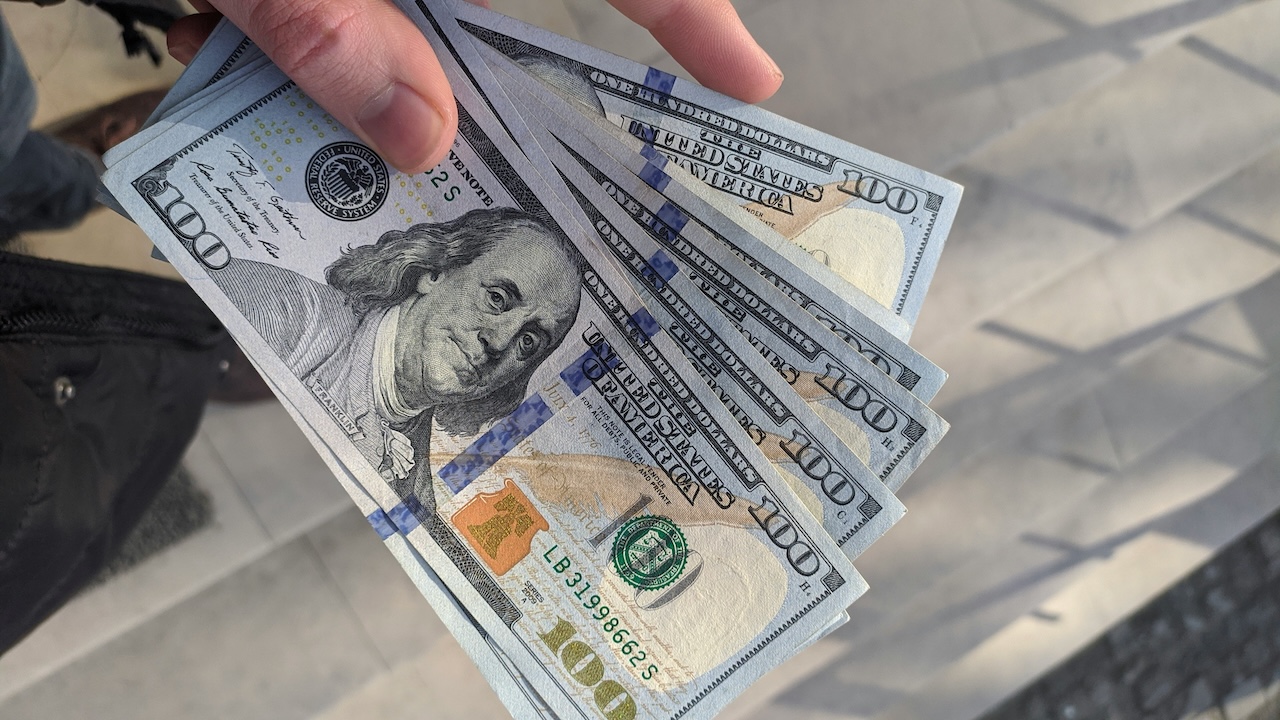
Despite global uncertainty, the Mexican peso remains stable against the dollar. Explore the factors influencing its resilience.
Today, the price of the dollar in Mexico remains relatively stable, even amidst an international environment marked by uncertainty, geopolitical tensions, and mixed economic signals from the United States. Despite global volatility, the exchange rate demonstrates resilience, prompting a discussion about which factors are truly influencing the Mexican currency.
According to the Bank of Mexico, the exchange rate stands at 17.7780 pesos per dollar, a figure that shows limited movement compared to previous days. This behavior is particularly relevant given the current international context, where markets have experienced episodes of high volatility stemming from geopolitical conflicts and high-impact political decisions.
It should be noted that the exchange rate can fluctuate throughout the day depending on market activity. Likewise, external and internal factors directly influence its quotation. Furthermore, the official figure represents an average determined by the central bank.
Meanwhile, the Bank of Mexico itself establishes that the equivalences of the peso against other currencies are calculated based on the quotation of the U.S. dollar in international markets at the time of transactions.
Global Volatility: War, Oil, and Political Tensions
One of the most significant factors affecting market behavior is the conflict in the Middle East, particularly the war between Iran and international forces, which has now escalated for four weeks. Global attention is focused on strategic points such as the Strait of Hormuz,
a key route through which approximately 20% of the world’s oil transits. Any interruption in this area has the potential to alter energy prices and, consequently, global financial markets.
In recent hours, new missile attacks and bombings have been reported. There are also warnings of potential additional retaliations, thus increasing uncertainty about energy supply. Adding to this scenario are the statements by U.S. President Donald Trump, who has generated mixed reactions in the markets after asserting that there is “significant progress” in negotiations with Iran.
However, the Iranian government has denied these claims, accusing the U.S. leader of attempting to influence markets through strategic declarations.
Oil and Markets: The Immediate Effect on the Dollar’s Price
The price of oil is another key element in this equation. After a drop of over 10% triggered by political announcements, Brent crude has regained strength. Currently, Brent has once again surpassed $100 per barrel, reflecting the uncertainty dominating the energy market.
This behavior has direct implications:
- Increases global inflationary pressure.
- Generates volatility in emerging currencies.
- Impacts short-term economic expectations.
However, despite this environment, the Mexican peso has managed to remain stable against the dollar, suggesting that other factors are cushioning the impact.
Why Is the Mexican Peso Resilient?
The stability of the peso against the dollar in an adverse context is not a coincidence. Several elements explain this resilience:
- Sound monetary policy: Mexico has maintained attractive interest rates for investors.
- Investment flows: Confidence in emerging markets like Mexico remains strong.
- Trade relationship with the United States: Economic integration helps stabilize the currency.
Furthermore, the exchange rate’s behavior often responds not only to international events but also to future expectations. In this regard, investors are constantly evaluating the trajectory of the Middle East conflict and U.S. political decisions.
Today’s Dollar Price in Mexico Against Other Currencies
Beyond the dollar, the Mexican peso also maintains benchmarks against other international currencies. According to recent data from the Bank of Mexico, these are some of the equivalences:
- U.S. Dollar: 17.7780 pesos
- Euro: 20.5451 pesos
- Japanese Yen: 0.1119 pesos
- British Pound: 23.7381 pesos
- Chinese Yuan: 2.5764 pesos
Factors That Could Move the Dollar Price in the Coming Hours
Although the exchange rate remains stable for now, multiple variables could generate movements throughout the day:
- Evolution of the conflict in Iran: any escalation could immediately impact markets.
- Political decisions in the United States: statements or actions by the U.S. government directly influence the market.
- Oil behavior: as a key commodity, its price affects global risk perception.
- Economic data: indicators such as inflation, employment, or growth can modify expectations.
- Investor reactions: markets respond in real-time to news and rumors.
In this sense, the price of the dollar should not be understood as a static figure but as a dynamic reflection of multiple economic and political forces.
You may also read:
The post
first appeared on Líder Empresarial.
More Articles

Scholarships at Tec de Monterrey San Luis Potosí Up to 85%: SEGE Signs Agreement
Mar 18, 2026

Instances Where the World Cup Was Affected by Political and Security Conflicts
Feb 22, 2026

Global Stock Markets Open on March 17: Oil and Volatility Set the Pace
Mar 17, 2026

Governors' Reactions Following Federal Operation in Jalisco; Security Reinforced and Activities Suspended in Several States
Feb 22, 2026

Crude Oil Prices Rise Amid Military Conflicts Involving Iran: How This Impacts Mexico
Mar 2, 2026

Is There Equality in Mexico?
Mar 2, 2026