
Economic Losses from Cargo Theft Against Carriers in Mexico
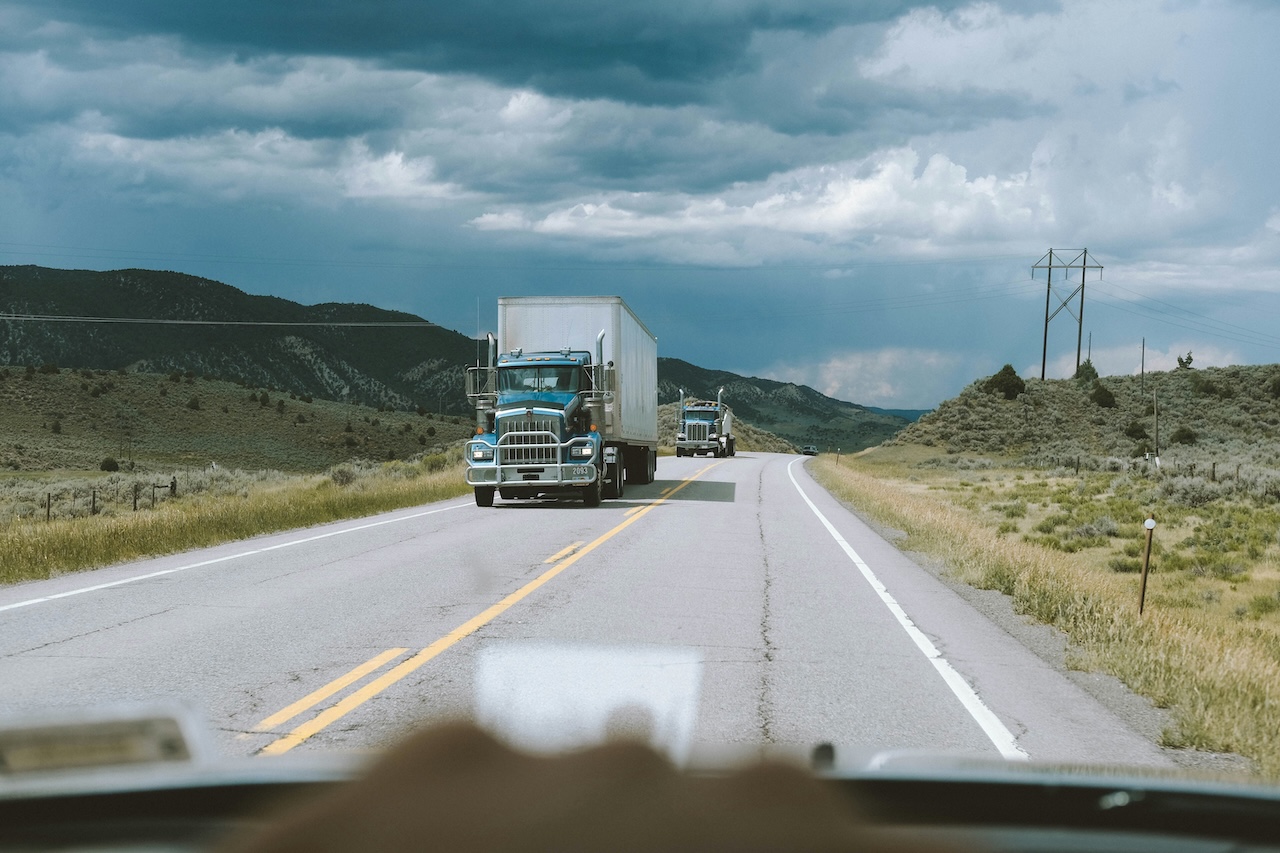
Protests erupt over billions in losses and violence from cargo theft in Mexico. A look at the economic impact, key statistics, high-risk routes, and demands for enhanced security.
This Monday, November 24, the National Association of Carriers (ANTAC), accompanied by rural organizations, called for a national mega-blockade to denounce cargo theft against carriers in Mexico. The protest arises as an organized response to a reality that, in addition to endangering lives, is draining billions of pesos from the national productive apparatus. David Estévez Gamboa, president of ANTAC, detailed in a statement that one of the central demands is the implementation of effective actions to curb the crime. It is not just about asset losses, as operators face extreme violence, express kidnappings, and new forms of extortion that have turned
entire routes into high-risk corridors.
The Economic Impact of Cargo Theft in Mexico
The Confederation of Industrial Chambers (Concamin) reported that cargo truck theft results in daily losses of at least 15 million pesos per industrial sector, a figure that could exceed 7 billion pesos by the end of a year. Alejandro Malagón Barragán, leader of Concamin, explained during Expo ANAM 2025 that although thefts decreased by 20% in the last year—dropping from 20 million to 15 million pesos daily—the magnitude of the problem continues to affect entire industries that depend on road supply to operate. The decline, he clarified, is not sufficient to reverse the economic damage: -The crime remains widespread nationwide. -96% of thefts are committed with violence. -Criminal groups have diversified their operational methods. However, while efforts are being coordinated, the financial cost persists, particularly affecting sectors such as food, beverages, construction products, and miscellaneous merchandise.
How Many Cargo Thefts Occur in Mexico?
For its part, figures from the Executive Secretariat of the National Public Security System (SESNSP) confirm that between January and October 2025, 5,204 cargo thefts were registered, of which 81.8% involved violence.
Evolution of Cargo Thefts (2019–2024)
-2019: 11,662 cases -2020: 9,527 cases -2021: 8,760 cases -2022: 8,836 cases -2023: 9,179 cases -2024: 7,978 cases
States with the Highest Cargo Theft in Mexico
According to Overhaul, a firm specializing in logistics risk management, 54% of cargo thefts in the second quarter of 2025 occurred in the central region of the country, especially in: -Puebla -State of Mexico SESNSP data from January to October 2025 aligns with this trend: -State of Mexico: 2,576 thefts (49.5%) -Puebla: 1,368 thefts (26.28%) -San Luis Potosí: 335 -Michoacán: 323 -Nuevo León: 123 -Jalisco: 79 It should be noted that 55% of the thefts occurred between 6 PM and 6 AM. Meanwhile, the most frequently stolen goods were: -Food and beverages (33%) -Construction materials (10%) -Miscellaneous merchandise (7%)
The Mexico–Puebla Highway: A Route of Terror for Operators and Businesses
On the other hand, the Mexico–Puebla highway has for years been identified as a strategic route, as well as one of the most dangerous for carriers. Carriers and organizations like AMOTAC denounce that in sections such as Tecamachalco–Tepeaca, criminal groups operate virtually without intervention from authorities. The criminal dynamic in the area includes: -Armed assaults -Ambushes -Express kidnappings -Phone confiscation and direct extortion of family members -Collection of “right-of-way” fees The fee, operators explain, can be around 3,000 pesos per 30-ton truck. However, paying it is no guarantee of safety, as another group might intercept the operator a few kilometers further down the road.
Modalities of Assault that Have Increased in Recent Months
Puebla operators have documented new robbery mechanics that have increased the level of violence: -Phone confiscation and family extortion: Criminals detain the operator and demand ransom directly from their family members. -Express kidnapping: The operator is deprived of liberty while the merchandise is stolen. -Night ambushes: Coordinated by multiple vehicles and executed in minutes. -False blockades: Set up by criminal groups to force operators to stop. -Collection of “right-of-way” fees: Mandatory payment to continue the journey. The combination of these practices has caused many carriers to avoid traveling this route, or to decide to do so only in
Sector Demands: Real Security and a National Approach
Carrier organizations demand: -Urgent federal attention to the most dangerous corridors -Permanent, not temporary, operations -Direct combat against gangs specializing in cargo theft -Investment in safe rest stop infrastructure -Effective coordination between states -Attention to victims and reparation for damages
You can also read:
The post
first appeared in Líder Empresarial.
More Articles

Electric Vehicles or Specialized Supply Chain? Nuevo León Accelerates on Both Fronts
Jul 6, 2026

Mexico's Most Influential CEOs in 2026: Horse Consulting Report
Jul 9, 2026
Sales Summit 2026: From Unknown to Chosen
Jul 8, 2026
Aguascalientes Ranks Fifth in Grape Production in Mexico, Confirms Viticulture Council
Jul 27, 2026

From Digital AI to Physical AI: Humanoids
Jul 10, 2026

Japanese Companies in Mexico: Why the Country Remains Strategic for Investment
Jul 14, 2026