
Mexico's Electoral Reform Gets a Date: Sheinbaum's Statement
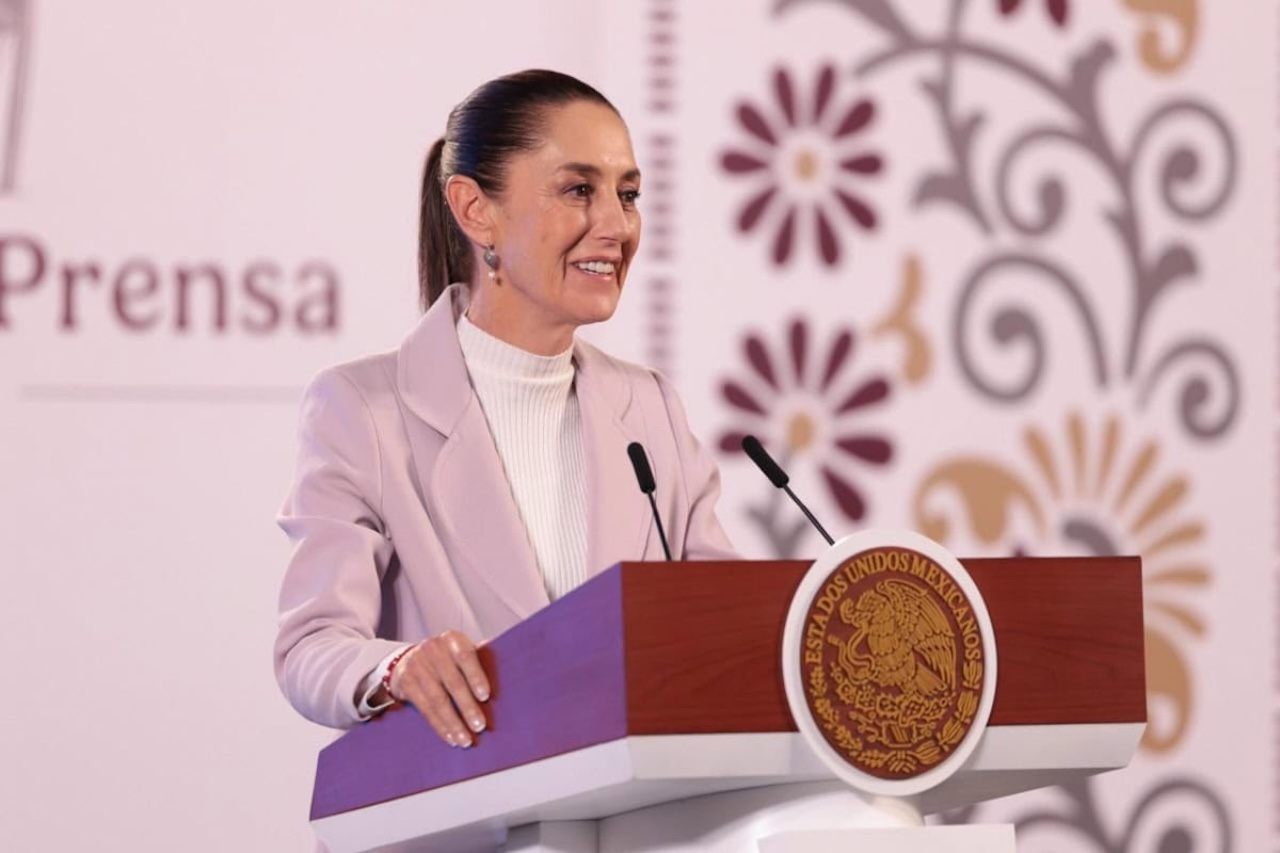
President Sheinbaum announced the electoral reform initiative will be submitted to Congress in February, following agreements with allied parties and dialogues with key stakeholders.
The electoral reform promoted by President Claudia Sheinbaum Pardo is beginning to take shape. After weeks of uncertainty, internal tensions, and discreet negotiations with allied parties, the federal Executive confirmed that the initiative will be sent to the Congress of the Union during February, with high probabilities of this occurring as early as next week. The announcement was made during the morning press conference this Tuesday, February 3, 2026, where the president specified that the project is in its final drafting stage and will be formally presented to the Legislative Power in the coming days. Although specific details of the content were not revealed, Sheinbaum emphasized that it is a reform built through dialogue and, she assured, responds to a citizen mandate.
February: The Key Month for Electoral Reform
Sheinbaum was emphatic in stating that the timeline is already defined. Although her objective is to finalize the document in the short term, she made it clear that the only certainty is that the initiative will reach Congress in February.
“My goal is to have it ready by next week, but what is certain is that it will be in February. Let’s put it this way: it will be sent to Congress in February,” she affirmed. This announcement puts an end to speculation generated since January, when the reform was expected to be presented but was stalled by disagreements within the ruling coalition itself. The delay demonstrated that, beyond public support, electoral reform has been one of the most sensitive issues for Morena and its allies.
Presidential Commission and Dialogue with the INE
For its part, the electoral reform project has been drafted by a presidential commission headed by Pablo Gómez, a key figure within the institutional apparatus with experience in auditing and accountability matters. According to Sheinbaum, this commission has held dialogues with various actors in the political-electoral system, including the National Electoral Institute (INE), which seeks to provide technical and political legitimacy to the initiative before its formal presentation. Among the elements that have characterized the commission’s work are:
- Working groups with representatives from Morena, PT, and PVEM.
- Dialogue with electoral authorities.
- Review of party financing schemes.
- Analysis of the legislative representation model. Although the president avoided detailing the specific changes proposed by the reform, she reiterated that it does not seek a reconfiguration that excludes political minorities or breaks with parliamentary plurality. “We do not intend that those who obtain a certain percentage of votes should not have representation,” she had previously indicated, in response to concerns expressed by the PVEM.
Legislative Path for Electoral Reform: Congress Determines the Timeline
Once the initiative is submitted, the responsibility for the process will fall to the Legislative Power. The president made this clear when questioned about the approval process. “Congress itself will have to define it. Our objective is to send it, and they will then determine the timelines for its approval,” she stated. This stance aims to draw a clear line between the Executive and Legislative branches, in a context where any constitutional reform requires not only a qualified majority but also political cohesion within the ruling coalition. Indeed, on January 22, the Morena coordinator in the Chamber of Deputies, Ricardo Monreal, publicly acknowledged that the reform could only advance if unity with the PT and PVEM is maintained. Among the points that Congress could discuss or modify are:
- Adjustments to party financing.
- Electoral oversight mechanisms.
- Changes in the composition of Congress.
- Additional regulations on the use of campaign resources. Monreal anticipated that the Legislative branch will not be limited to approving the text sent by the Executive but may introduce additional changes during the review process.
Electoral Shield Against Illicit Money
Meanwhile, one of the issues the president did address during her conference was related to the entry of organized crime funds into electoral campaigns, a recurring concern in public debate. Sheinbaum confirmed that the initiative includes mechanisms to strengthen oversight and control over the use of resources, beyond an eventual reduction in public financing. “Yes, it means more oversight, and also how resources are used, not just the reduction, but how resources are used, which is also important,” she explained. When questioned whether a smaller amount of public money could incentivize the entry of illicit funds, the president rejected that possibility and defended the need to strengthen surveillance mechanisms. The focus, she said, is not limited to how much money parties receive, but how it is spent and under what controls.
You can also read:
The entry
More Articles
Artificial Intelligence "Is Here to Stay" and Opens Historical Opportunity for Aguascalientes: Capgemini
Feb 19, 2026

Querétaro's Automotive Industry Concentrated Exports in 2025
Feb 20, 2026

Apple Unveils iPhone 17e: Features and Pricing in Mexico
Mar 2, 2026

Global Stock Markets Open on March 17: Oil and Volatility Set the Pace
Mar 17, 2026

Top Business News: Wednesday, March 4, 2026
Mar 4, 2026

Nuevo León Leads Industrial Park Development in Mexico
Feb 24, 2026