
Mexico's Real Estate Industry: A Market Undergoing Redesign
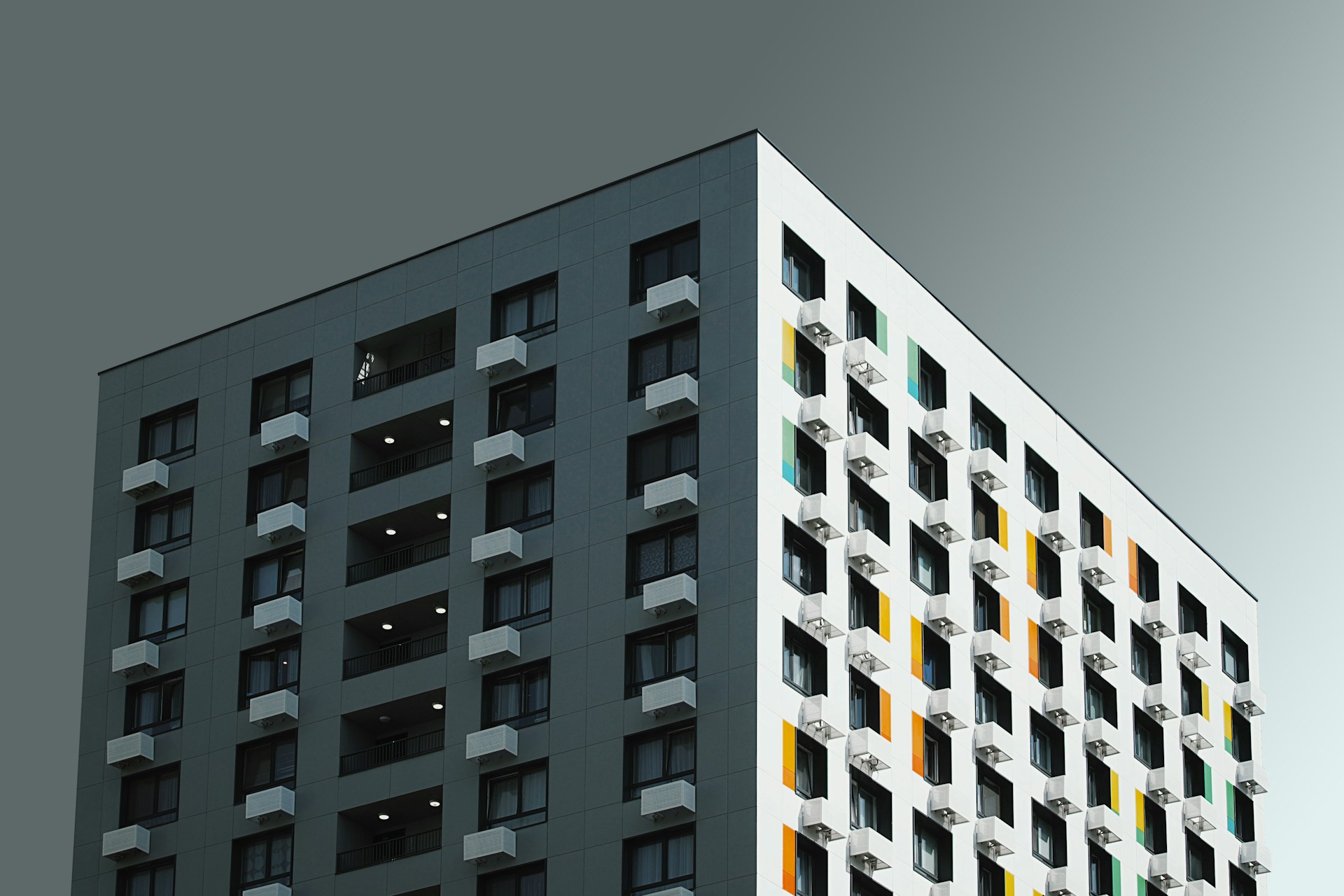
Mexico's real estate market transforms with 652B pesos projected investment in 2025. Focus shifts from square footage to urban integration, sustainability, nearshoring, and multifamily projects.
Mexico’s real estate industry is undergoing an unprecedented transformation. For decades, the sector’s growth was measured in square meters constructed or sold. Today, the criteria have shifted, as the focus is now on how projects adapt to urban life, family demand, and investors’ long-term vision.
According to Softec, in 2025, real estate investment in Mexico is projected to reach 652 billion pesos, a 15% increase compared to 2024. This figure indicates that capital is being concentrated in industrial projects, rental housing, and developments with sustainability certifications.
The nearshoring phenomenon is driving the industrial segment. According to EY Mexico, in 2024, the real estate market faced a pivotal scenario. On one hand, the relocation of companies generated significant demand for industrial spaces. On the other hand, factors such as rising interest rates, the volatility of the peso against the dollar, and global inflation added pressure.
Insecurity in some regions limits part of the investment, but the potential of nearshoring remains a key driver. The immediate challenge is to integrate sustainable practices into new industrial parks and logistics centers, responding to growing environmental awareness and the need to reduce ecological impact.
Tinsa Mexico by Accumin estimates that in 2025, the housing market will grow between 2.5% and 3%. This growth will be driven by institutional rental housing, known as “multifamily,” positioning itself as an alternative to the traditional market.
Among the challenges mentioned in Tinsa’s data is the reduction in the average housing size, which decreased from 90-110 square meters to less than 70 square meters within a decade. This is attributed to rising land prices and the necessity of maintaining a ticket price competitive.
Another challenge is sustainability. Less than 5% of active projects hold certifications such as Edge or LEED. However, green mortgages and preferential rates offer an opportunity for developers and investors.
Youth demand is also reshaping the market. Young families prefer compact, well-located properties with access to parks, gyms, and shopping centers. Size is sacrificed, but location gains value.
After the pandemic, the retail market began to stabilize. Today, shopping centers report a higher number of occupied premises and the arrival of new brands. The balance between online and physical commerce has found a point of convergence.
In the office sector, the transformation is more drastic. Many remained vacant after the surge in hybrid work. In 2024, Mexico City authorized the conversion of office buildings to residential use, with 298 units serving as an example of this new trend, according to data from the CDMX Government. Thus, the strategy seeks to repurpose underutilized spaces and address housing demand.
According to Deloitte, 72% of developers in Mexico plan to invest in sustainable projects over the next five years. This trend is no longer a luxury but a market requirement.
In Latin America, LEED-certified properties increased by 19% in 2023 and are expected to achieve cumulative growth of 25% by 2025. Technological advancements reinforce the trend; from more accessible solar panels to thermal insulation and water collection systems, green homes are more profitable and attractive for investors and users.
Housing in Mexico is also diversifying. According to Tinsa, the average area of apartments decreased from 90 to 70 square meters in less than ten years. This responds both to the need to maintain accessible prices and to urban land pressure.
Models such as coliving and short rentals are growing in cities like Monterrey and Mexico City, as well as in tourist destinations. These schemes cater to new generations who value flexibility more than ownership.
In social housing, local governments are promoting densification projects and public-private schemes, moving away from large peripheral developments and seeking greater urban integration.
The Mexican real estate industry is undergoing structural change. Square meters remain a relevant indicator, but they no longer define the sector’s direction. The essential focus now is how developments respond to cities, the consumption patterns of new generations, and the environmental challenge.
More Articles
The New Bajío Investment Landscape: Is Querétaro Still Competing?
Jul 9, 2026
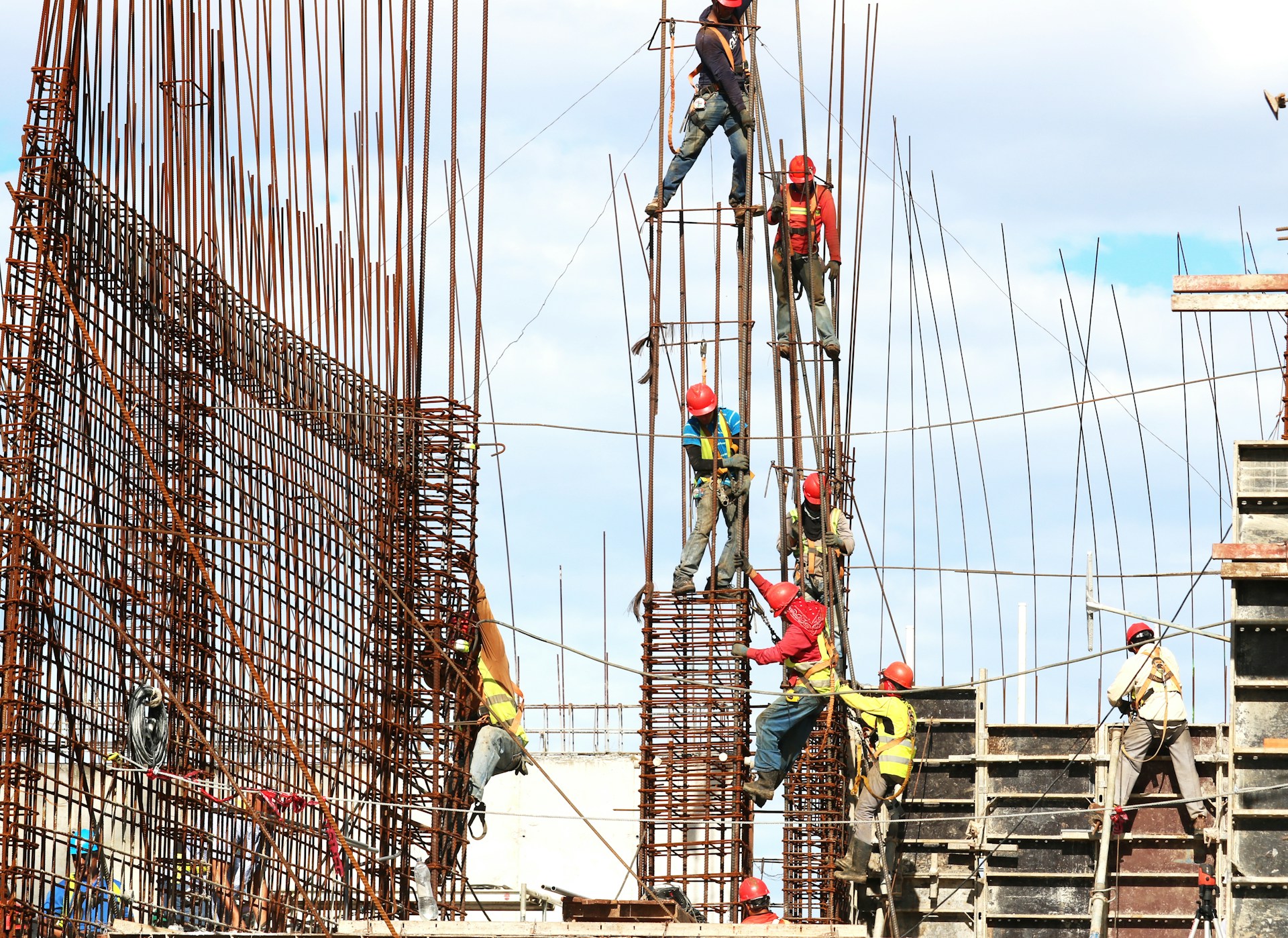
Aguascalientes Construction Firms See Nearly 20% Production Increase, INEGI Reports
Jul 24, 2026

Automakers Shift Strategy; Suppliers Must Adapt: SLP Automotive Cluster
Jul 20, 2026

Beer and Snacks Emerge as Winners of Mexico's Consumption "World Cup"
Jul 10, 2026

Where is the Capital to Grow a Business Today?
Jul 2, 2026
Mexico's Productivity Surges, Outpacing OECD Average According to New Report
Jul 7, 2026