
Nissan Earns Two Low-Carbon Seals for Reducing Emissions at its Aguascalientes Plants
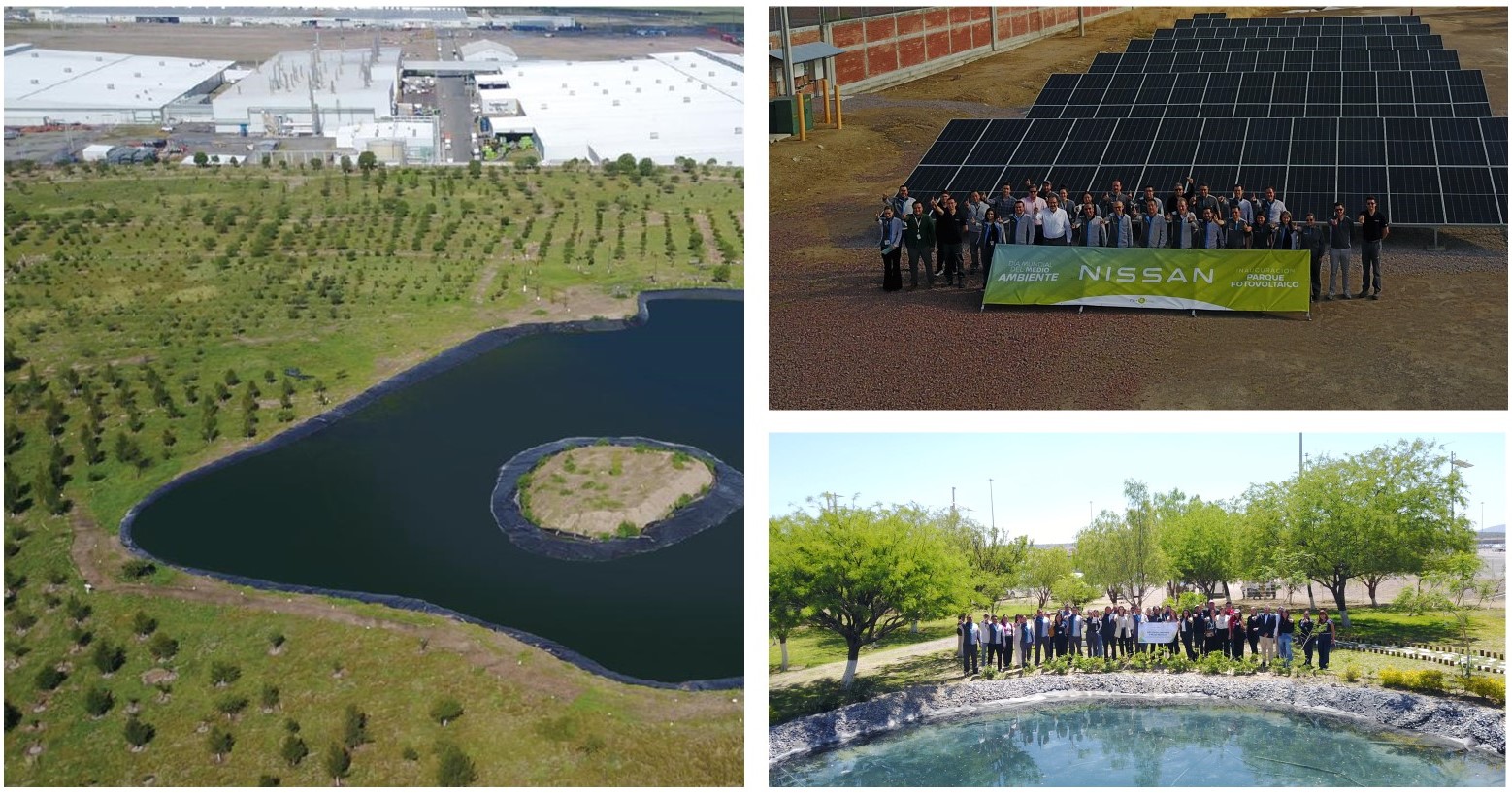
Nissan Mexicana received two low-carbon seals from the Aguascalientes government for its efforts in reducing direct and indirect emissions, boosting competitiveness.
The Government of the State of Aguascalientes awarded Nissan Mexicana two low-carbon seals in recognition of its strategies to mitigate direct and indirect emissions. This distinction validates actions such as the replacement of ozone-friendly refrigerant gases and the utilization of energy from CO₂-free sources, including the Laguna Verde power plant and the photovoltaic park installed at the Nissan Aguascalientes 2 plant. Currently, 95% of the electricity used in the company’s operations comes from clean sources, a figure that aligns its processes with the Nissan Green Program. According to company data, the use of sustainable energy has allowed
, avoiding the emission of over 900,000 tons of CO₂ into the atmosphere.
Innovation as a Driver of Climate Responsibility
During the seal award ceremony, Governor Tere Jiménez noted that climate responsibility has become a strategic investment that enhances companies’ global competitiveness: “Today, companies know how to produce, invest, and create jobs alongside the use of new energies and the reduction of emissions. Innovation is also reflected in climate responsibility,” stated the governor. For his part, Marco Ribera, Senior Manager of Environmental Strategy and Energy at Nissan Mexicana, reported that the company has achieved a 17.7% reduction in its indirect emissions and an 8.8% reduction in direct emissions. The executive emphasized that the commitment transcends technology: “Beyond technology and environmental programs, it is the employees who also promote these initiatives,” Ribera added. Finally, Sarahí Macías Alicea, Head of the Ministry of Sustainability, Environment, and Water, underscored that the transition towards low-carbon economies has moved beyond being a technical issue to consolidate as a strategic variant in the private sector. “Sustainability has ceased to be a technical issue and has become a strategic variant. While regulatory frameworks are being built, the private sector, civil society, and the scientific community are already acting,” she concluded.
You might be interested
The entry
first appeared in Líder Empresarial.
More Articles

Tec Campus Querétaro Achieves Gold Accreditation in Sustainability
Jul 27, 2026

E-commerce Captures 10.1% of Sales Value Following Hot Sale
Jul 27, 2026

Automotive Parts Industry Proposes Strategic Agenda to Strengthen USMCA and Automotive Competitiveness
Jul 2, 2026
The New Bajío Investment Landscape: Is Querétaro Still Competing?
Jul 9, 2026

IMMEX 4.0: What Changes is the Private Sector Proposing for Mexican Manufacturing?
Jul 7, 2026
Aguascalientes Ranks Fifth in Grape Production in Mexico, Confirms Viticulture Council
Jul 27, 2026