
Reactions Following the Approval of the 40-Hour Workweek Reform
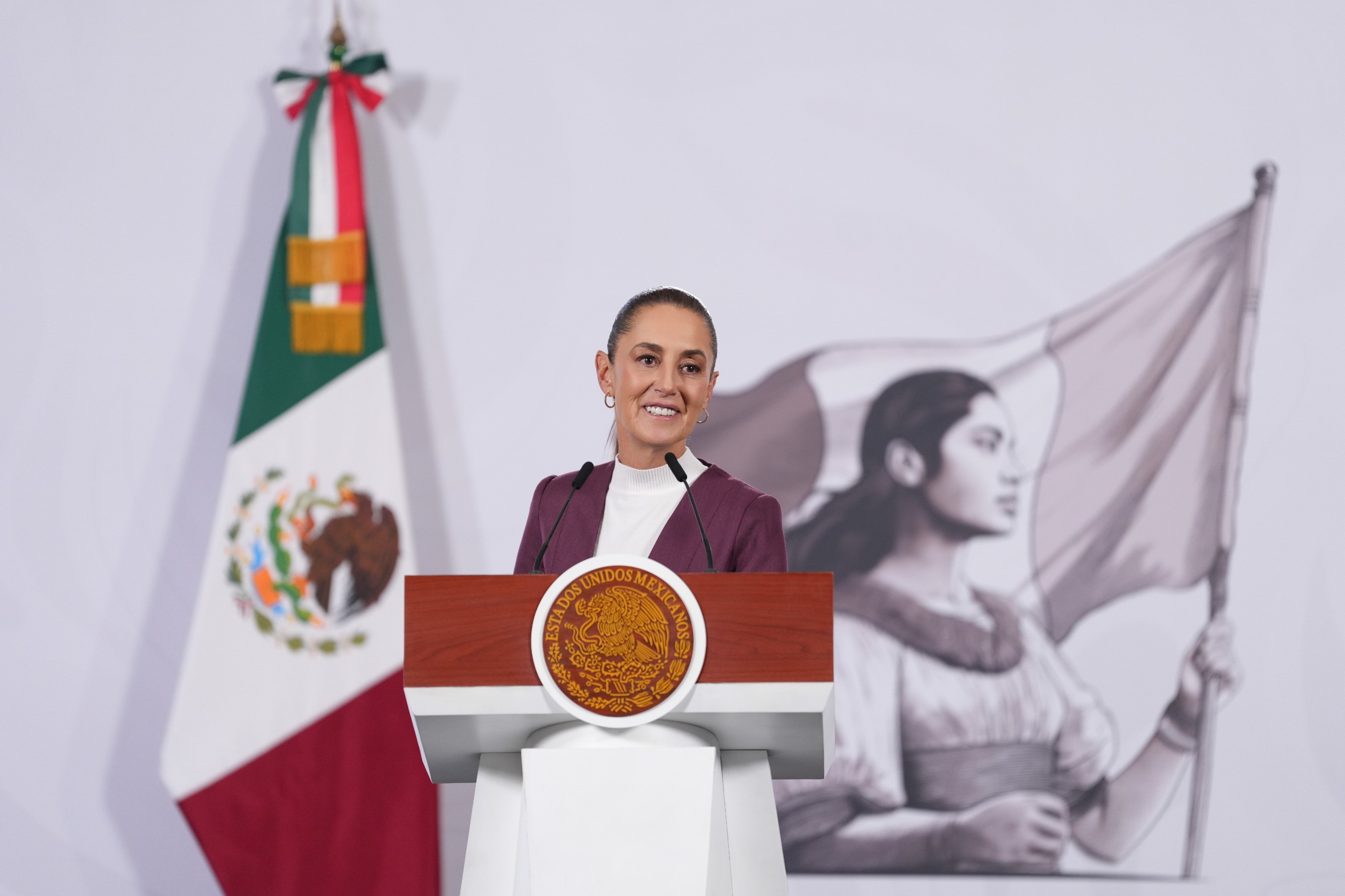
Mexico's Senate unanimously approves a progressive 40-hour workweek reform. Key reactions from government, business, and political sectors on its implementation and implications.
On the afternoon of February 11, 2026, the Senate of the Republic unanimously approved a reform to Article 123 of the Political Constitution of the United Mexican States to progressively reduce the workweek to 40 hours. The decree, which amends section A to establish that for every six days of work, employees will enjoy at least one day of rest with full salary, was remitted to the Chamber of Deputies to continue its legislative process.
During the morning press conference on February 12, President Claudia Sheinbaum Pardo emphasized that the approval was unanimous and the result of a tripartite consensus. The President detailed that the reduction will be gradual: two fewer hours in 2027, another two in 2028, and two more in 2029, reaching the target by early 2030.
“The historical demand of workers is the 40-hour week, and we are fulfilling it; income is guaranteed. It’s not a 40-hour week at the expense of salary,” stated the President.
For his part, the head of the Ministry of Labor and Social Welfare (STPS), Marath Bolaños, celebrated the progress on his social media, describing it as a step towards balancing work, family, and health:
“We continue forward with the Labor Spring in our country!” the secretary posted.
Business and Political Sector Comments Following the Approval of the 40-Hour Workweek Reform
From the
“It appears it would be applicable from January 1, 2027, and from then until 2030, a reduction of two hours per year, which allows companies to adapt,” commented the business leader.
Despite the unanimous vote, concerns were raised regarding the reform’s actual scope. Clemente Castañeda, coordinator of the Citizen Movement in the Senate, warned that the initiative is insufficient:
“The #OrangeCaucus supports the labor reform that reduces the workweek to 40 hours, but we warn that it falls short of workers’ demands because: it does not guarantee two days of rest, it cheapens overtime hours, and its real benefits will only arrive by 2030.”
In a more severe tone, the “I for the 40 hours” movement (Yo por las 40 horas) described the approval as a political simulation that fails to address the reality of the working class or women responsible for caregiving:
“The entire Senate has just approved this false 40-hour initiative, which only serves to legitimize labor exploitation. Everyone is losing, and as always, even more so the women who sustain this country with care and domestic work.”
Finally, the President of the Chamber of Deputies, Kenia López Rabadán, confirmed the receipt of the bill:
“I inform you that the bill regarding the Constitutional reform has already arrived at the Chamber of Deputies… it will be referred to the joint commissions of Constitutional Affairs and Labor, to continue with the respective legislative process.”
Related Content
The post
More Articles

Nissan Leads Light Vehicle Sales in Mexico; Production and Exports Decline
Mar 9, 2026

Mexico's Oil Barrel Production Accelerates in February: Pemex Reports
Mar 31, 2026

Dollar and Oil Prices Surge Due to Middle East Conflict: How it Impacts Jalisco
Mar 9, 2026
Mexico, United States, and Canada to Begin Negotiations for a Trilateral Agreement in the Franchise Sector
Mar 11, 2026

Does Market Volatility Affect Today's Dollar Price? Here's How It Trades
Mar 24, 2026

Global Stock Markets Open on March 17: Oil and Volatility Set the Pace
Mar 17, 2026