
Appreciation of the Peso Poses New Challenges for Exporters and Migrant Families in Guanajuato
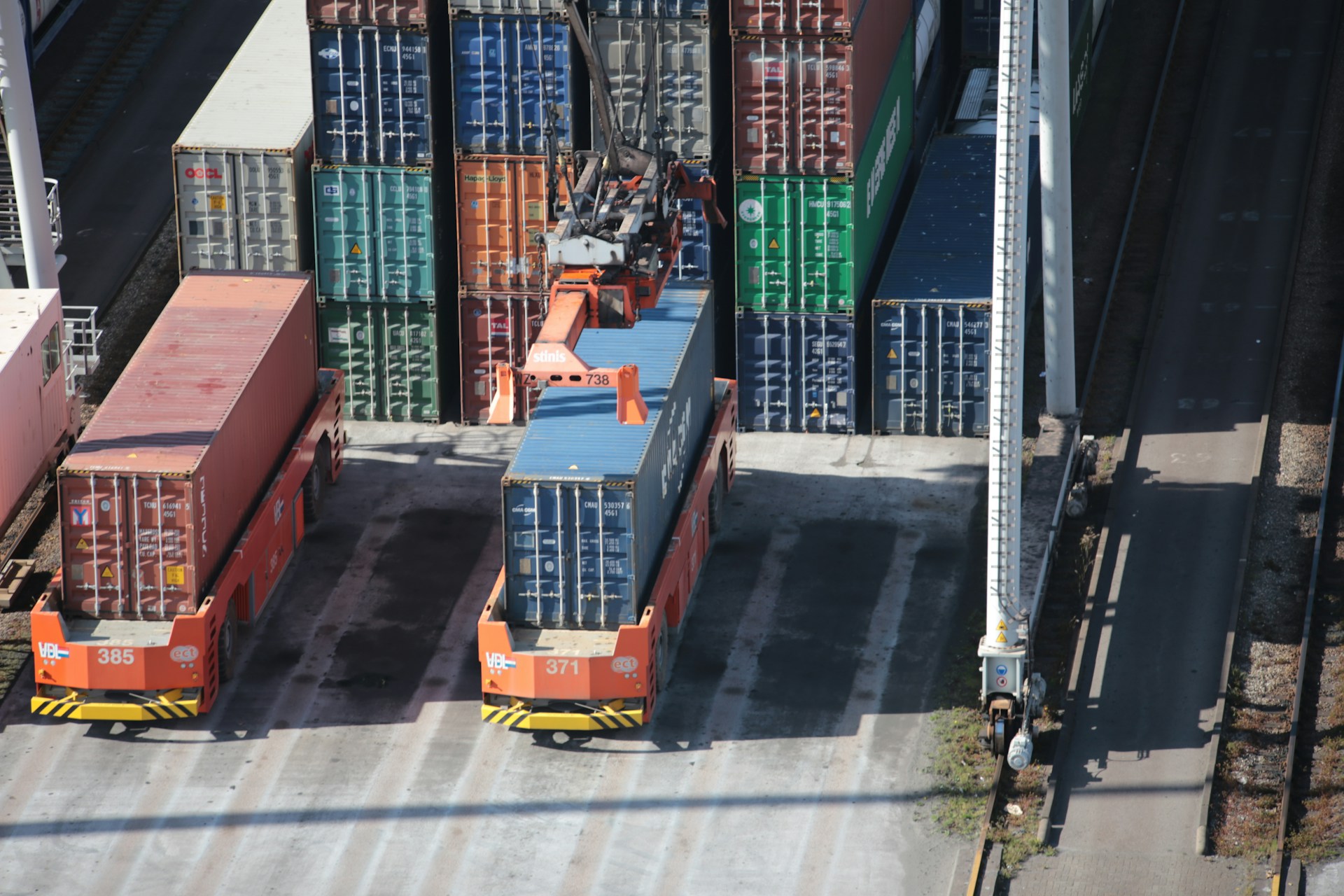
The Mexican peso's appreciation against the dollar presents strategic adjustments for Guanajuato's export sector and migrant families.
The appreciation of the Mexican peso against the dollar, recorded at the beginning of 2026 and linked to U.S. monetary and fiscal decisions, is beginning to outline future effects on the export sector and migrant families in Guanajuato. This new exchange rate scenario poses strategic adjustments for a state economy highly integrated with foreign trade and remittance flows. Guanajuato closed 2025 with $30.72 billion in exports, driven by the
Exchange Rate and Exports: A Scenario of Gradual Pressure
Looking ahead to the coming quarters, international trade analysts anticipate that an appreciated peso makes Mexican products more expensive abroad. This reduces the purchasing power of importers and pressures the margins of exporting companies.
When an exporter’s currency strengthens against that of an importer, the relative cost of goods increases. Consequently, international buyers must allocate more resources to cover the transaction, which can decelerate orders and contracts.
For Guanajuato, this environment will demand greater productive efficiency, market diversification, and more sophisticated financial strategies, particularly in high-volume export sectors.
Auto Parts: Competitiveness Under a New Exchange Rate Equilibrium
The auto parts sector, which registered $4.368 billion in exports in 2024, according to DATA México. This industry faces one of the biggest challenges due to the peso’s appreciation. The industry relies on long-term contracts and global supply chains.
Should the peso’s strength persist through 2026, companies will need to offset the exchange rate effect through innovation, automation, and reduction of logistical costs, to maintain their share in international markets.
Exchange Rate Risk Management: Key for the Short and Medium Term
Exchange rate fluctuations will remain a critical factor in export profitability. The greatest risk arises in deferred payment operations, where a variation in the exchange rate can alter the final revenue.
Given this outlook, specialists anticipate increased use of hedging tools, such as currency forward contracts and foreign exchange options. The adoption of contracts in national currency and immediate payment schemes will also grow.
These strategies will allow Guanajuato companies to reduce financial volatility during 2026.
Remittances: Purchasing Power in a Strong Peso Environment
For migrant families in Guanajuato, the appreciation of the peso presents a different challenge. Although the flow of remittances might remain stable, their real value in national currency tends to decrease when the dollar weakens.
During the first nine months of 2025, Guanajuato received $4.06 billion in remittances, solidifying its position as a national leader. Nevertheless, a strong peso in 2026 could reduce the direct impact of these resources on family consumption.
Remittances and Social Cohesion: Future Effects
According to BBVA Research, remittances have prevented 170,000 Guanajuatenses from falling into multidimensional poverty. However, experts anticipate that a weaker dollar could limit their ability to cover expenses for education, health, and housing.
Even so, Guanajuato would maintain its position as one of the country’s primary recipients, thanks to its historical migratory tradition and stable employment in the United States.
Collateral Opportunities Amidst an Appreciated Peso
Despite the challenges, the peso’s appreciation opens opportunities for other sectors. The reduction in import costs will benefit industries that rely on foreign inputs, as well as the end consumer.
Furthermore, a strong peso can contribute to inflation control by making raw materials and intermediate goods cheaper. It could also incentivize international tourism by improving the perception of the country’s economic stability.
The post
More Articles

Automakers Shift Strategy; Suppliers Must Adapt: SLP Automotive Cluster
Jul 20, 2026
Capgemini to Open Second Global Delivery Center in Mexico; Facility to be Located in Bajío Region
Jul 16, 2026
Mexico-US Trade Deficit Reaches $197 Billion: Is Trump Preparing New Tariffs?
Jul 16, 2026

How Much Will FIFA Pay the Winner of the 2026 World Cup?
Jul 18, 2026

How Jalisco is Preparing its Industrial Parks for the USMCA Review
Jul 20, 2026

Mexico's Most Influential CEOs in 2026: Horse Consulting Report
Jul 9, 2026