
The Treasure of 303 Billion Barrels: Why U.S. Oil Companies Will Be Attracted by Venezuela's Reactivation
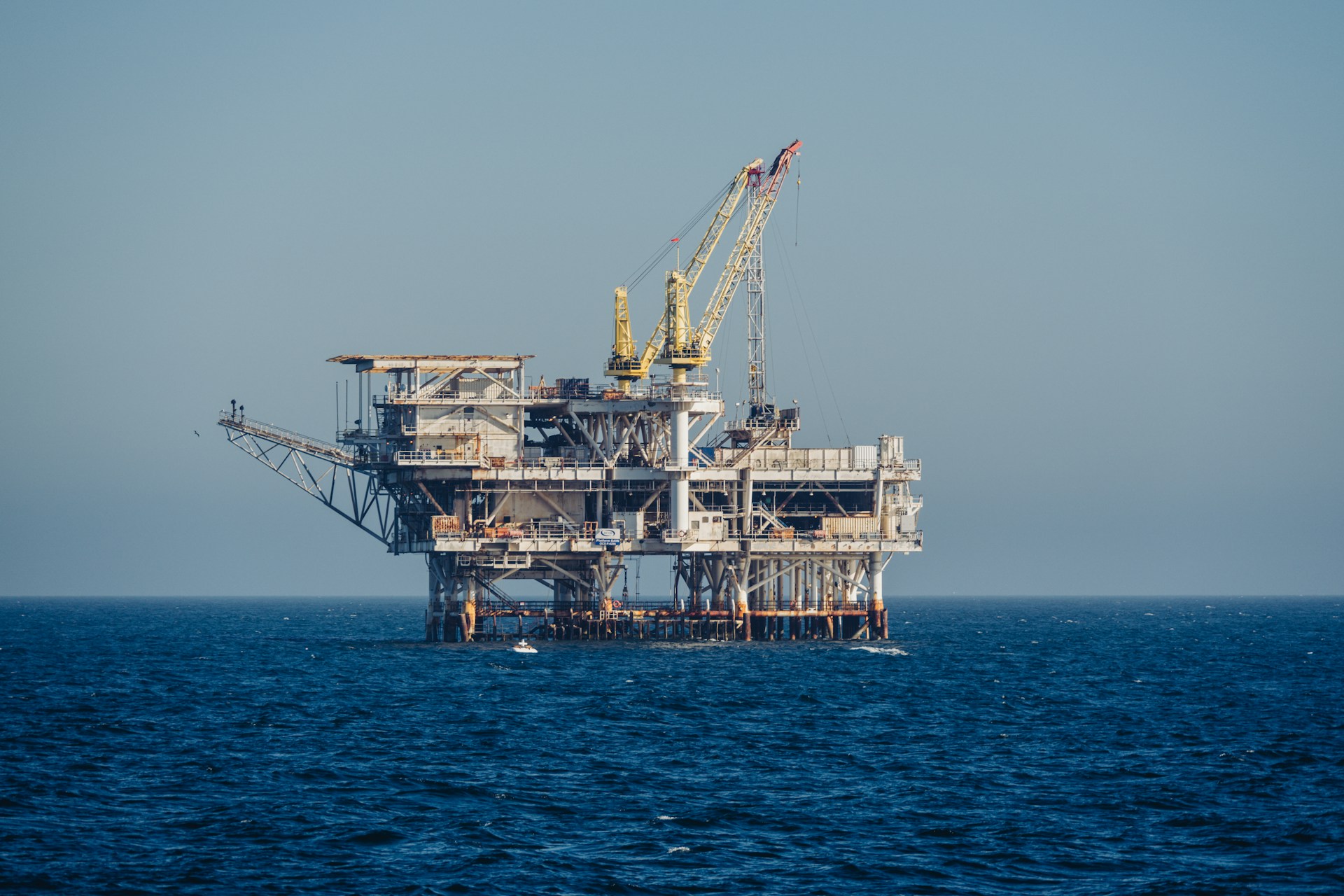
Venezuela's vast 303 billion barrel oil reserves present an unparalleled opportunity for U.S. oil companies, despite decades of decline. Rebuilding its collapsed infrastructure could cost $100 billion.
The bullish reaction of financial markets following the capture of Nicolás Maduro and
regarding the entry of oil operators into Venezuela is not a speculative move, but rather the recognition of an unprecedented geological opportunity, albeit one buried under decades of deterioration. Behind the political headlines lies a compelling industrial reality: control over the planet’s largest proven reserves, estimated at 303 billion barrels, which today survive in a state of near-total operational paralysis. To understand the magnitude of the challenge assumed by giants like Chevron or Exxon, it is necessary to look back.
, a management expert with over three decades in the global energy sector and a former operator on Venezuelan soil in the pre-Chávez era, contextualizes the collapse: In 1998, Venezuela pumped 3.5 million barrels per day (bpd), competing with global powers; today, that figure has plummeted by over 80%, barely reaching 800,000 barrels in 2024. This freefall was not an accident, but the result of a «perfect storm» of underinvestment, international sanctions, and a critical loss of efficiency.
Continue Reading
According to Hernández’s analysis, Venezuela today represents a unique paradox globally, as there is an insurmountable dilemma between its geological potential and its current productive reality: «There are few analogous cases where you have the world’s largest reserves with such low non-initial production. This generates incredible potential, but beyond that, there are macro-level activities that need to be carried out to achieve it.»
The infrastructure that once sustained the country is in ruins. The exploration and production sector hit rock bottom in 2020 when the number of active rigs fell to zero. Added to this is a midstream transportation system with pipelines over 50 years old exposed to natural wear and corrosion, and saturated storage capacity that forces operational shutdowns. Even the national pride, the Paraguaná refining complex (once one of the largest in the world), barely operates today at 10% of its capacity, forcing the country with the most oil in the world to import gasoline and diesel.
The Cost of Rescue: $100 Billion and a Decade of Waiting
Reversing this collapse is not a simple task of «drill and extract». Hernández explains that Venezuelan geology presents a major technical challenge: most of its reserves consist of heavy and extra-heavy crude. Unlike light Texas crude, this resource is dense and viscous, meaning that moving it from the subsurface to ports requires massive thermodynamic infrastructure that must now be rebuilt: «To transport that heavy oil, you need steam injection points to heat it, make it lighter, and thus be able to take it to the coast.»
The estimates are clear: recovering 1999 production levels would cost between $70 billion and $100 billion over a decade. Under this logic of high complexity and astronomical costs, Hernández emphasizes that any U.S. institutional capital entering the country will do so under strict financial planning, governed by the standards of the Securities and Exchange Commission (SEC): «Any institutional investment will consider what happens in the next 15 years, what stability we have in that period to decide to go and develop this field.»
But money isn’t everything. To achieve this feat within that timeframe, financial capital must inevitably merge with human capital, attempting to reverse the brain drain initiated with the mass layoffs at PDVSA in 2003. In this regard, Hernández highlights a key intangible asset: the return or collaboration of Venezuelan technical experts in exile: «The talent, both inside and outside Venezuela, of those who worked at PDVSA and understand the petrophysical properties of the reservoirs, is what will provide that acceleration to production efficiency from a technical point of view.»
Finally, the U.S. strategy has an immediate commercial logic: Gulf Coast refineries in the U.S. are specifically configured to process heavy crude, making the import of Venezuelan oil technically and economically ideal. Although reaching 3.5 million barrels is a long-term goal, stabilizing production between 1 and 1.5 million in the coming years would return Venezuela to the global energy map, once again transforming its resource into sustainable wealth.
You Might Be Interested
The post
first appeared on Líder Empresarial.
More Articles

From the Production Floor to the Negotiating Table: The Other Side of the USMCA Wage Debate
May 15, 2026

Startups 2026: The Unbeatable Top Five Countries and Mexico's Decline
May 25, 2026

Aguascalientes Strengthens International Presence in Washington; Tere Jiménez Receives Bilateral Recognition
May 20, 2026

Markets Experience Volatility Amid Rising Tensions in Hormuz: Dollar and Oil Prices
May 4, 2026

Investing in Jalisco? Security Becomes the Largest Magnet for Capital
May 5, 2026

Trump's Project Freedom: Opportunity or Risk for Mexico's Energy Trade?
May 4, 2026