
Could Mexico Face a National Energy Collapse? An Expert's Insight
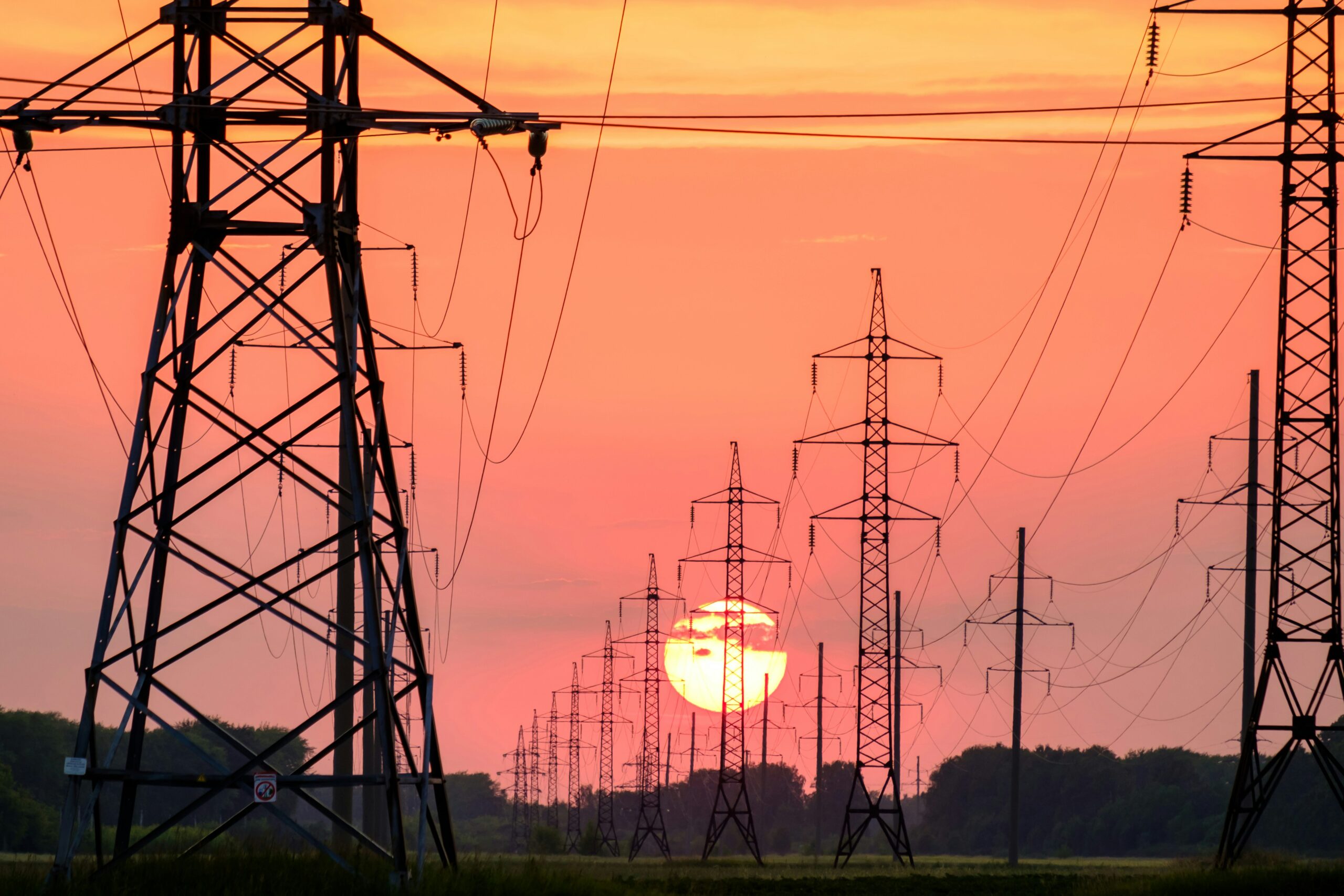
Mexico's centralized power grid, controlled by CFE, faces increasing pressure. An expert discusses the risks of regional collapses, the role of CENACE in mitigation, and the critical need for investment.
The Mexican electricity system operates under a centralized model where the Federal Electricity Commission (CFE) maintains full control of the national grid. While this scheme offers operational coordination and unified supervision, it also concentrates risks within a single entity.
“CFE has complete control of the national electricity grid. An energy collapse is possible because, despite engineering and studies, everything is fortuitous. Electricity and electronics are not predictable,” explained Muñoz.
A Centralized System Under Pressure
Since CFE regained its role as the sole energy operator and provider, the system relies on its capacity to maintain and expand the grid. The cancellation of mixed investment schemes reduced private sector participation and limited the expansion of generation and transmission.
The sustained increase in electricity demand, driven by industry, household consumption, and electromobility, exerts growing pressure on an infrastructure operating at its technical limit. The power outages recorded in the north and the Bajío region reflect a fragmented and overstressed grid.
CENACE’s Role in Containing Failures
Despite the risks, Mexico possesses an advanced control system operated by the National Energy Control Center (CENACE). This agency monitors, segments, and isolates electrical failures to prevent them from spreading nationwide.
“If the collapse originates in the south, the southern section is cut off to prevent it from affecting the center and north. CENACE exhibits tremendous coordination to prevent national blackouts,” stated Muñoz.
Thanks to these mechanisms, the country reduces the risk of widespread power outages, although protection depends on the maintenance and response capability of each region.
Structural Factors and Preventive Measures
The greatest risk stems not only from centralized control but also from aging grids, a lack of investment in renewable generation, and insufficient backup infrastructure. Muñoz believes the system requires urgent modernization and greater private investment, accompanied by continuous technical training.
“It could happen, but Mexico is prepared to contain it. Technical coordination and fault segmentation are key to preventing a local failure from escalating into a national collapse,” he emphasized.
The possibility of a national energy collapse exists, but CENACE and CFE have protocols and specialized personnel to maintain system stability.
The challenge —specialists agree— will be to maintain a balance between state control, private investment, and technological updates to ensure a secure, reliable, and resilient electricity supply.
The post
first appeared on Líder Empresarial.
More Articles
Mexico's Productivity Surges, Outpacing OECD Average According to New Report
Jul 7, 2026

Nubarium Enhances Cybersecurity and Digital Identity via Open Finance 2050
Jul 22, 2026

IMMEX 4.0: What Changes is the Private Sector Proposing for Mexican Manufacturing?
Jul 7, 2026

Banxico Mandates Banks to Streamline Mobile Transfers
Jul 15, 2026
Automakers Shift Strategy; Suppliers Must Adapt: SLP Automotive Cluster
Jul 20, 2026
Querétaro Enhances Electrical Infrastructure for O'Data Data Center
Jul 7, 2026