
Mexico Imposes New Sugar Tariff: How Does It Impact the Economy?
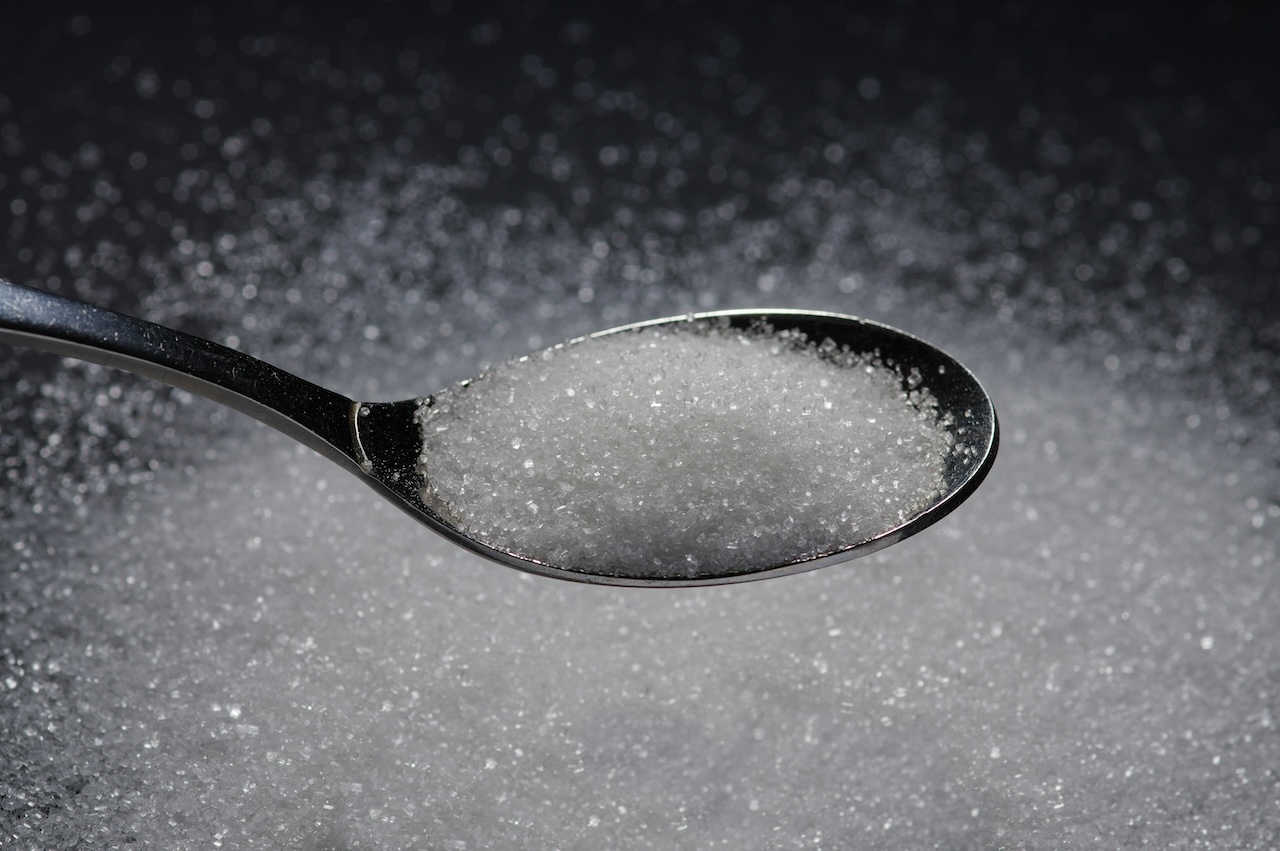
Mexico's government imposes new tariffs of 156% to 210.44% on sugar imports from WTO members to protect domestic industry and stabilize the market, impacting prices and related sectors.
The Mexican Government announced a decree imposing tariffs of between 156% and 210.44% on sugar imports from World Trade Organization (WTO) member countries, with the exception of those with which it maintains free trade agreements. This decision was published in the evening edition of the Diario Oficial de la Federación (DOF) and signed by the Secretary of Economy, Marcelo Ebrard. Consequently, the imposition of the new
took effect this Tuesday, aiming to “protect the national industry from international trade distortions,” as well as stabilize the domestic sweetener market.
The Rationale Behind the Sugar Tariff Increase
The decree states that the import tariff currently in force under the Most Favored Nation (MFN) regime no longer offers sufficient protection to the domestic agro-industry, especially given the fall in international sugar prices. In this context, the Ministry of Economy decided to raise the specific tariffs —previously 0.36, 0.338, and 0.39586 dollars per kilogram— to ad-valorem rates of 156% and 210.44%, depending on the tariff classification of the Law on General Import and Export Taxes Tariff.
The decree indicates that “the Federal Government has the obligation to implement the necessary mechanisms to generate stability in the sectors of the national industry,” emphasizing that the tariff modification “constitutes a tool to protect productive sectors against international trade distortions.”
According to the document, the 156% tariff will apply to various classifications of cane sugar, while the 210.44% will target refined and inverted liquid sugar.
Support for Plan Mexico
Additionally, this decision is part of Plan Mexico, a government strategy focused on strengthening national industry and reducing dependence on foreign inputs. The Ministry of Economy argued that the sugarcane agro-industry faces a domestic oversupply, a situation that has pressured prices and threatened the profitability of the production chain, which spans from cane growers to sugar mills and distributors.
“The decree seeks to eliminate trade distortions and safeguard global market equilibrium, in accordance with Mexico’s international commitments,” the official text specifies. Furthermore, the measure was supported by the Foreign Trade Commission and is executed in conformity with the Foreign Trade Law, ensuring its compatibility with the international trade agreements signed by the country.
The Economic Impact of the New Sugar Tariffs
The imposition of the new tariff adds to a strategy that was already showing results. According to the National Foreign Trade Information Service (SNICE), sugar imports fell 82% between October 2024 and February 2025, compared to the same period of the previous year.
According to the National Sugar Balance report for February, this decline reflects a policy aimed at:
- Ensuring better conditions for domestic producers.
- Securing domestic supply amidst international volatility.
However, the reduction has not been linear. In the second half of 2025, the country had to resort to tariffed sugar, particularly during months of high demand, reaching 422 thousand commercial value cane tons (tcvc) in July 2025.
“Although the country maintains low levels of external purchases, it still partially relies on imports to balance the market during periods of high demand,” SNICE noted in its monthly report.
Among the entities with the highest volume of international purchases in 2024 are:
- Mexico City: 415 million dollars.
- Puebla: 100 million dollars.
- Jalisco: 15.8 million dollars.
- Tamaulipas: 13.6 million dollars.
- Nuevo León: 8.74 million dollars.
Meanwhile, the imposition of such high tariffs on sugar will have an immediate effect on domestic market prices, which could rise in the short term due to reduced competition from imported products. However, the government justifies this decision as a necessary step to stabilize the national sector, improve producers’ profit margins, and foster greater food self-sufficiency.
The impact will also be reflected in the food and beverage industry, especially in companies that depend on sugar as an input. In this regard, the soft drink and confectionery sectors are expected to seek alternatives, such as artificial sweeteners or corn syrups, although the government has already shown its intention to regulate these products as well.
Furthermore, the Executive has put forward a proposal for the 2026 Economic Package, which contemplates increasing the tax quota on sweetened beverages from 1.64 to 3.08 pesos per liter, with the objective of raising 41 billion pesos allocated to the healthcare system.
You might also like to read:
The entry
first appeared on Líder Empresarial.
More Articles
How Jalisco is Preparing its Industrial Parks for the USMCA Review
Jul 20, 2026
Aguascalientes Construction Firms See Nearly 20% Production Increase, INEGI Reports
Jul 24, 2026

Cemex Reports Strong Second Quarter 2026 Performance Driven by Operational Efficiency and Growth
Jul 27, 2026

United States Decides Not to Renew USMCA: Which Jalisco Industries are at Risk?
Jul 2, 2026
Automakers Shift Strategy; Suppliers Must Adapt: SLP Automotive Cluster
Jul 20, 2026

Electric Vehicles or Specialized Supply Chain? Nuevo León Accelerates on Both Fronts
Jul 6, 2026