
U.S. Airspace Could Close Due to Government Shutdown, DOT Confirms
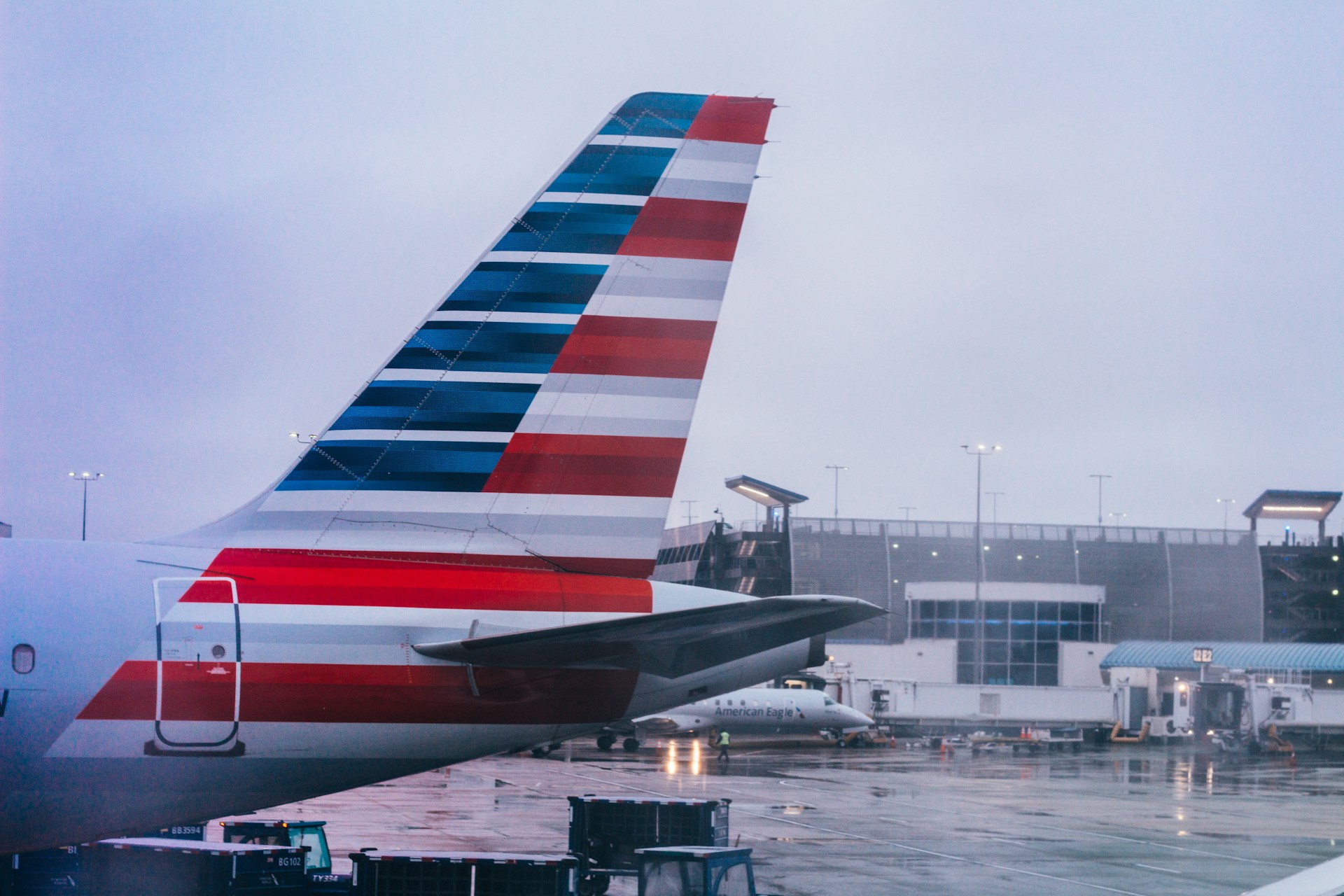
DOT confirms potential U.S. airspace closure due to government shutdown. 2,000 controller shortage, unpaid workers, and 10% capacity cuts in 40 markets threaten air travel safety.
The government shutdown in the United States has triggered a critical scenario for the country’s air traffic system and airspace. According to the Secretary of the Department of Transportation (DOT), Sean Duffy, the effects of the shutdown are already palpable, and the shortage of air traffic controllers could lead to further airspace restrictions. “We don’t want to wait for problems to escalate into a crisis,” Duffy stated.
The root cause is clear: a deficit of 2,000 air traffic controllers and the non-payment of key employees who, according to Duffy, are seeking “secondary jobs” to make ends meet. The situation is further complicated by the government shutdown’s effects, which have left thousands of controllers without pay, leading to fatigue and pressure on an already strained system.
“Our controllers are working overtime, but this situation is unsustainable,” added Brian Bedford, FAA administrator, discussing the challenges faced by aviation workers. To mitigate the risk of a complete collapse, the FAA has announced a 10% reduction in capacity across 40 high-volume markets. “We are getting ahead of the problems; we are not going to wait for the situation to spiral out of control,” commented Bedford, emphasizing that this is only an initial measure.
The capacity reduction will translate into more cancellations and delays. Airlines will be forced to adjust their flights, which will particularly impact weekend travelers. Although airlines are not pleased with the measure, Duffy clarified that “we don’t want any airline to be disproportionately affected,” but safety remains the priority.
“Safety is our utmost priority,” Duffy emphasized, also acknowledging that controllers have already worked under extreme conditions. “They cannot continue without receiving pay for much longer.” According to him, many controllers have stated that “losing two paychecks is unsustainable.”
The government had already allocated $12.5 billion to modernize air traffic infrastructure, but Duffy insisted that the total of $31.5 billion remains essential to complete the project. Despite these efforts, the lack of resources and personnel could continue to impact the efficiency and safety of the air traffic system.
Meanwhile, U.S. travelers are already experiencing the consequences: delays and cancellations have increased, and the future remains uncertain. “Yes, I am concerned about the economic burden. Airlines transport essential goods and passengers, but we cannot compromise safety,” Duffy explained, referring to the economic impacts this crisis could bring.
“We are making difficult decisions to ensure the system remains safe,” concluded the Secretary, anticipating further difficulties for travelers in the coming days.
More Articles

Top Workplaces in Mexico's Construction Sector for 2026: GPTW Rankings
Jul 24, 2026

Will Tenneco Make a New Investment in Aguascalientes? What is Known
Jul 24, 2026

Farmacias Similares and Stori Launch Card to Include Millions
Jul 13, 2026
Bajío Suppliers Facing New Rules of Origin: Who Gains Market Share?
Jul 9, 2026

New Routes in Monterrey: Which Destinations Are Now Connected?
Jul 13, 2026

Banxico Mandates Banks to Streamline Mobile Transfers
Jul 15, 2026