
What Does Leading the Network of Heritage Cities Mean for Guanajuato?
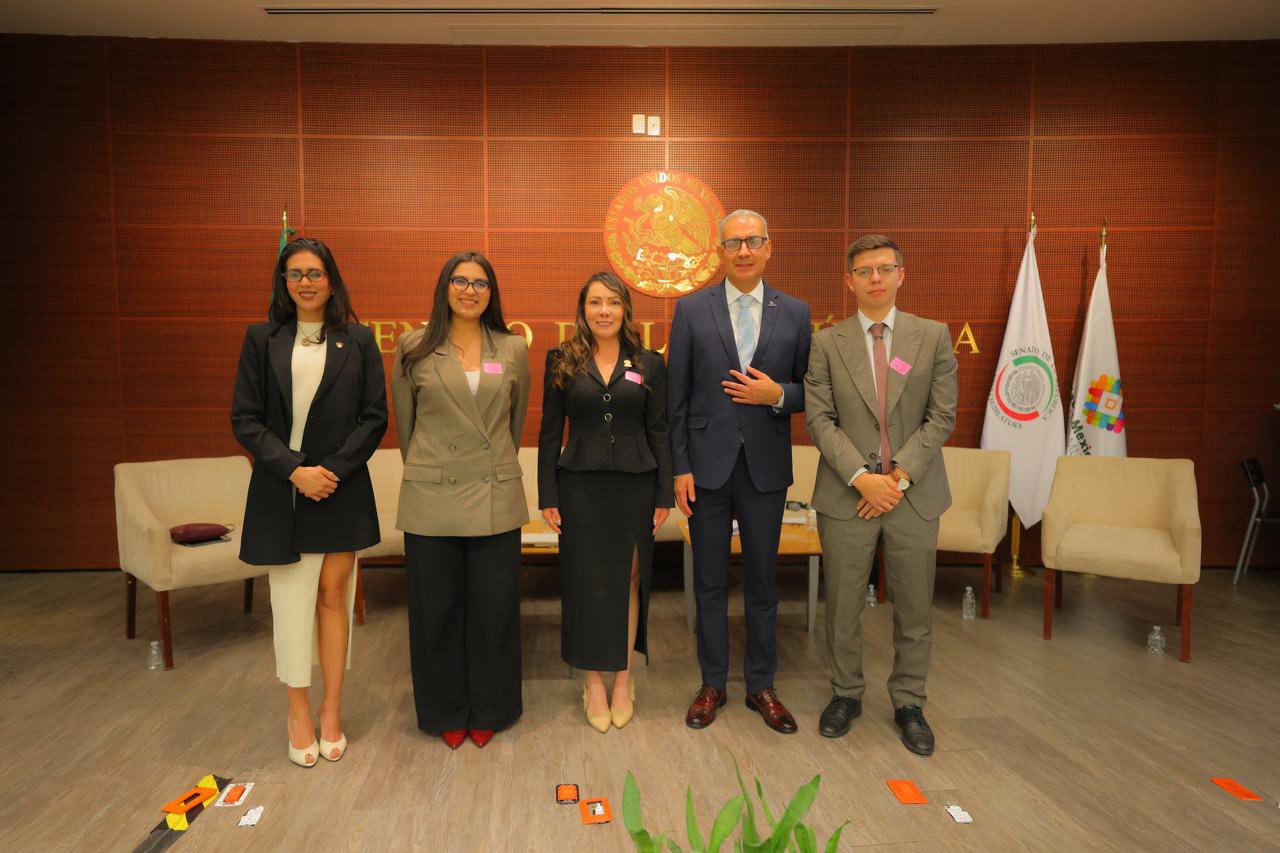
Guanajuato's mayor to lead the National Association of Mexican World Heritage Cities, impacting preservation, tourism, and global cultural positioning.
During the 3rd Ordinary General Assembly of the National Association of Mexican World Heritage Cities (ANCMPM), held in the Senate of the Republic, the Municipal President of Guanajuato Capital, Samantha Smith, was nominated as the sole candidate to lead the Association for the 2026 term, following unanimous support from member cities. The session took place in the Senate chamber with the participation of senators, diplomatic representatives, federal cultural authorities, and mayors of World Heritage cities.
What Does This Nomination Represent for Guanajuato?
Guanajuato Capital is not only one of the ten Mexican cities inscribed on the UNESCO World Heritage List since 1988; it is also one of the destinations with the highest density of cultural assets per square kilometer in the country. In Mexico, there are:
- 35 sites inscribed on the World Heritage List, placing the country 7th globally.
- 10 Mexican cities with this distinction (including Guanajuato Capital, Puebla, Oaxaca, Zacatecas, and Querétaro).
- Over 11 million annual tourists circulate through these cities, according to the federal Ministry of Tourism. In this context, the presidency of the ANCMPM is a strategic position that impacts preservation, cultural funding, tourism management, international exchange, and conservation policies.
Guanajuato: Technical Leadership and Results
The candidacy of
was presented as a sole proposal, backed by local governments due to:
- Her work in the conservation of Guanajuato Capital’s built heritage.
- Urban planning, tourism mobility, and historic property rescue programs.
- Collaborative management models with universities, civil organizations, and heritage experts. During the Assembly, Smith expressed her intention to lead a work agenda focused on national coordination: “Those of us who govern heritage cities know that this responsibility demands vision, coordination, and a deep commitment to the outstanding universal value that unites us.” The official swearing-in is scheduled for January 2026.
Guanajuato Capital: Key Data on Its Heritage Wealth
| Indicator | Relevant Data |
|---|---|
| UNESCO Inscription Year | 1988 |
| Estimated Annual Visitors | Over 1.6 million (Sectur Gto, 2024) |
| Tourism Contribution to Municipal GDP | 21% according to IMCO |
| Conservation Zones | Over 3,200 cataloged properties |
| Annual Cultural Events | +90, including the International Cervantino Festival |
| These indicators position Guanajuato as one of the cities with the strongest cultural and tourism vocation in the country. |
An Encounter with International Presence
The event was attended by Mexican and diplomatic authorities, as well as specialists in cultural heritage. Among the attendees were:
- Eugenio Segura Vázquez, Senator and President of the Tourism Commission.
- Emanuel de Andrazi, Political Counselor of the Italian Embassy in Mexico.
- Enrique Galindo Ceballos, Municipal President of San Luis Potosí.
- Representatives from UNESCO, INAH, the Ministry of Culture, and AMEXCID. During his speech, the Italian representative emphasized the bond between both nations: “Italy and Mexico are cultural superpowers: the protection of heritage is a vehicle for identity, knowledge, and tourism development.” He also highlighted that Italy has returned over a thousand archaeological pieces to Mexico since 2018 as part of bilateral cooperation on heritage protection.
”Heritage Cities” Photo Exhibition Inaugurated
At the conclusion of the Assembly, the “Heritage Cities” exhibition was inaugurated, as part of the international Sustainable Tourism summit within the framework of the 2026 Mexico FIFA World Cup. The exhibition features images from countries with the highest number of UNESCO sites, as well as photographs of the 10 Mexican World Heritage cities, including Guanajuato Capital. The inauguration was led by senators, diplomatic representatives, and municipal presidents, who cut the ribbon and highlighted the importance of cultural tourism as an economic driver.
National Importance of the ANCMPM
The National Association of Mexican World Heritage Cities articulates policies for:
- Preservation of built heritage.
- Resource management for restoration.
- Technical and regulatory training.
- Strengthening the tourism economy.
- National and international cultural promotion. Its presidency directly influences coordination among municipalities, the negotiation of federal support, and Mexico’s global positioning in cultural matters.
The post
first appeared on Líder Empresarial.
More Articles

Top Workplaces in Mexico's Construction Sector for 2026: GPTW Rankings
Jul 24, 2026

40-Hour Workweek: What Companies Must Prepare for Starting in 2026
Jul 15, 2026

Volaris: How Can SMEs Reduce Business Travel Costs?
Jul 21, 2026

Weekend Recap: Key Developments in Mexico and Globally on July 18-19
Jul 20, 2026
Tec Campus Querétaro Achieves Gold Accreditation in Sustainability
Jul 27, 2026
Sales Summit 2026: From Unknown to Chosen
Jul 8, 2026