
Who is José Antonio Kast? Chile's New President-Elect
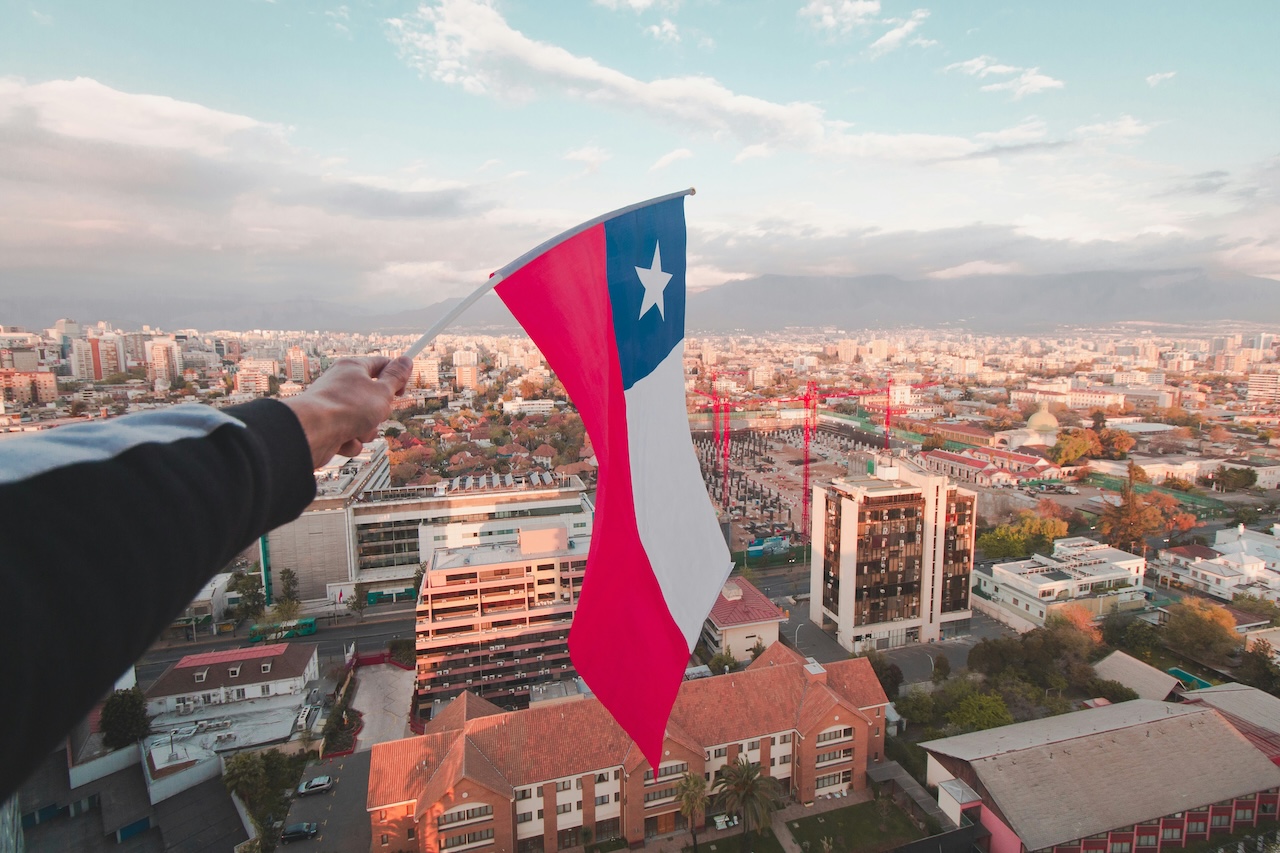
José Antonio Kast becomes Chile's President-elect. Explore his conservative trajectory, comparisons to Trump and Bolsonaro, and proposed government pillars: security, economy, and liberty.
This Sunday, José Antonio Kast became Chile’s president-elect after securing 58.1% of the votes in the second electoral round, surpassing center-left candidate and communist militant Jeannette Jara, who garnered 41.8% of the preferences. Kast will assume the presidency on March 11, 2026, for a four-year constitutional term.
The election day was recognized for its peaceful and democratic nature, quickly drawing international statements. From Mexico, President Claudia Sheinbaum Pardo sent a message of congratulations to the incoming Chilean leader, emphasizing the importance of maintaining historical cooperation between both nations. In her message, Sheinbaum highlighted the civic maturity of the process and expressed confidence that Mexico and
will continue to work collaboratively for regional well-being. This international recognition comes at a pivotal moment as Latin America confronts common challenges such as insecurity, economic slowdown, and political polarization.
Career Trajectory of Chile’s New President-Elect: José Antonio Kast
José Antonio Kast Rist was born in Santiago, Chile, on January 18, 1966. He is the youngest of 10 siblings and comes from a family of German descent. His political career began at a young age during his university years at the Pontifical Catholic University of Chile, where he became involved with ‘gremialismo,’ a conservative movement with significant influence on the Chilean right.
In that environment, he met key figures such as Jaime Guzmán, founder of the Independent Democratic Union (UDI), a party where Kast was an active member for almost two decades. Since then, his discourse has remained firm on traditional values, with a narrative centered on order, authority, and a limited role for the state. His institutional career includes several terms as a deputy, which allowed him to consolidate a loyal electoral base and an image as a disciplined, albeit controversial, politician.
One of the most significant moves in Kast’s career occurred in 2019 when he decided to found the Republican Party, a platform that expanded the Chilean political spectrum towards more radical right-wing positions. This new party capitalized on the discontent of conservative sectors that felt underrepresented by the traditional right. With a direct and confrontational style, Kast managed to:
- Position issues such as security and migration at the center of public debate.
- Construct a narrative of a “crisis of order” in the country.
- Attract voters disillusioned with recent progressive reforms.
Since then, his figure has become a central actor in the Chilean political system.
A Leadership Style Compared to Trump and Bolsonaro
Analysts and experts have compared José Antonio Kast to leaders like Donald Trump and Jair Bolsonaro, primarily due to his confrontational rhetoric and ultraconservative approach. Like them, Kast has built his political capital on discourses that appeal to social weariness and a rejection of “political correctness.”
Among his most well-known stances are his outright opposition to legal abortion, same-sex marriage, and flexible migration policies. In previous campaigns, he even proposed extreme measures to curb irregular migration, such as excavating a three-meter-wide and deep ditch in northern border areas, an idea that drew strong criticism both within and outside Chile.
The Three Pillars of the New President of Chile’s Government Program
Furthermore, in his current presidential program, Kast asserts that Chile faces a “security emergency,” a premise that articulates his government proposal. His agenda is built upon three fundamental pillars, which seek to redefine the priorities of the Chilean state:
- Restore Order and Authority
- Strengthening of security forces.
- Stricter penalties for serious crimes.
- Zero tolerance for organized crime.
- Reinvigorate Economic Progress and Employment
- Incentives for private investment.
- Reduction of regulatory hurdles.
- Promotion of formal employment as a cornerstone of development.
- Restore Liberty and Justice for All Chileans
- Defense of individual liberties.
- Critiques of state interventionism.
- Review of reforms enacted by previous governments.
These pillars aim to address a citizenry that, according to Kast, demands swift and decisive solutions to insecurity and economic uncertainty.
You might also be interested in:
The post
first appeared on Líder Empresarial.
More Articles

Querétaro: Over 300 IT Companies and a Robust Digital Technologies Cluster
Mar 24, 2026

E-commerce in Mexico Exceeds 67 Million Buyers, Raising Demands on Technological Infrastructure
Mar 24, 2026

Global Stock Markets Open on March 17: Oil and Volatility Set the Pace
Mar 17, 2026

incMTY 2026: Nuevo León Aims to Drive Further Startup Investment to Bolster its Economy
Mar 18, 2026

How Nuevo León Strengthens Its Security Strategy in 2026
Mar 19, 2026
Golden Pension Reform Approved by 18 State Congresses: What's Next?
Mar 31, 2026